3 citations
,
January 2011 in “生物医学研究杂志:英文版” In this study, a novel heterozygous transition mutation in the KRT86 gene was identified, which may be pathogenic for monilethrix in a Chinese family.
 September 2025 in “American Journal of Dermatopathology”
 In this research, most cases of mammary and extramammary Paget disease were reported to express PRAME, expanding the understanding of its presence in cutaneous epithelial tumors, though its diagnostic utility is limited by overlap with other conditions.
 1 citations
,
May 2016 in “Hair transplant forum international”
1 citations
,
May 2016 in “Hair transplant forum international” This publication lists the contributors and affiliations for a research piece but reports no study results or findings.
 September 2013 in “Metal Powder Report”
 This study found that dihydrotestosterone induces hair loss in male C57BL/6 mice, and this effect can be partially reversed by the androgen receptor antagonist bicalutamide.
September 2019 in “Journal of Investigative Dermatology” This study observed that PCE-DP may improve skin pigmentation by increasing epidermal turnover and inhibiting melanin uptake and inflammation in human epidermal keratinocytes.
3 citations
,
November 2019 in “Journal of the ASEAN Federation of Endocrine Societies” This case report describes an unusual variant of Turner Syndrome in a 20-year-old female that required comprehensive medical and psychological care, including hormonal therapy that resolved symptoms like alopecia.
 April 2016 in “Journal of Investigative Dermatology”
 This study found that administering botulinum toxin A via Flex-PADs to mouse footpads inhibited sweating similarly to traditional injections, suggesting a promising patient-friendly delivery method for hyperhidrosis treatment.
 3 citations
,
September 2022 in “Animal biotechnology”
3 citations
,
September 2022 in “Animal biotechnology” This study found that knocking down lncRNA MTC in Liaoning Cashmere goat skin fibroblasts inhibited cell proliferation and increased apoptosis, suggesting its role in facilitating cell growth by regulating specific proteins.

This review examines the potential of Parquetina nigrescens for managing Polyendocrine Metabolic Ovarian Syndrome, emphasizing its pharmacological activities and highlighting its promise as an affordable complementary therapy.
SMP creates illusion of full hair, addressing various issues and bringing happiness to those with thinning hair.
 January 2024 in “Research Square (Research Square)”
 This study identified robust susceptibility genes and potential drug candidates for male-pattern baldness, providing insights into the condition's molecular mechanisms.
 5 citations
,
July 2019 in “Photodiagnosis and photodynamic therapy”
5 citations
,
July 2019 in “Photodiagnosis and photodynamic therapy” This study reports a case of a 59-year-old female with refractory follicular mucinosis and diffuse scalp alopecia who achieved complete clinical remission following treatment with a combination of topical tacalcitol and photodynamic therapy.
12 citations
,
June 2025 in “Gut Microbes” This study developed BroadAMP-GPT, a computational-experimental framework, to discover new antimicrobial peptides, identifying candidates effective against multidrug-resistant pathogens. Notably, AMP_S13 showed strong stability, low toxicity, and efficacy in infection models, highlighting the platform's potential in combating antimicrobial resistance.
 October 2023 in “Journal of dermatological science”
 This study highlights that mutations in the MBTPS2 gene can lead to dermatological disorders like IFAP syndrome and severe bone diseases such as X-Linked Osteogenesis Imperfecta, emphasizing the significance of understanding these genetic variants for disease mechanisms and associations.
January 2022 in “Skin appendage disorders” In this study, the researchers found that trichoscopy can effectively visualize scalp micropigmentation, identified by homogenous, grey to black circular dots similar to closely cut hair, potentially reducing the need for invasive procedures.
 83 citations
,
January 2001 in “American journal of clinical dermatology”
83 citations
,
January 2001 in “American journal of clinical dermatology” This review discusses the clinical features of trichotillomania and the challenges in its diagnosis and treatment, reporting no new clinical findings while highlighting the need for specialized therapy and better therapeutic options.
9 citations
,
November 2007 in “Blood” This study found that a mutation in the Tmprss6 gene disrupts hepcidin regulation, leading to iron deficiency and alopecia in mice, highlighting TMPRSS6's vital role in iron absorption.
August 2026 in “Journal of Cosmetic Dermatology” This study found that Plinest injections improved skin hydration and elasticity in the face, neck, and décolleté and were well-tolerated, with high patient satisfaction over a 4-month follow-up.
 4 citations
,
August 2022 in “The Scientific World Journal”
4 citations
,
August 2022 in “The Scientific World Journal” This study found that bufotalinin, derived from Merremia peltata leaves, may enhance hair growth by acting as a potential androgen receptor antagonist in rabbits.
1 citations
,
August 2021 in “NeoReviews” This case report describes a successful outcome for a fetus with a neck mass attributed to unnecessary maternal PTU treatment for transient hyperthyroidism, highlighting the importance of accurate diagnosis and careful management.
8 citations
,
September 2013 in “Molecular carcinogenesis” This study found that rapamycin effectively inhibits TPA-induced keratinocyte proliferation and skin tumor promotion by targeting mTORC1 signaling in both wild-type and transgenic mice.
January 2014 in “NDSU Repository (North Dakota State University)” This study found that the Massachusetts General Hospital Hairpulling Scale has acceptable internal consistency and divergent validity for assessing Trichotillomania severity, but demonstrated inadequate test-retest reliability and mixed convergent validity.
6 citations
,
April 2019 in “Advances in Pharmacology and Pharmacy” This study found that methanol extract of Mimosa pudica showed dose-dependent sedative effects in mice, suggesting its potential for developing new sedative and anti-anxiety medications.
 January 2026 in “Clinical Cosmetic and Investigational Dermatology”
 This study found that mesotherapy with placenta polypeptide injection significantly reduced skin inflammation and improved aesthetic outcomes in adults with moderate-to-severe sensitive skin, without increasing adverse events compared to controls.
14 citations
,
March 2023 in “Bioengineering” In this retrospective study at Lausanne University Hospital, 61% of 48 patients with tendinopathies reported favorable outcomes after a single standardized autologous PRP injection, while 36% needed two, and effectiveness was unrelated to platelet concentration, activity level, age, or gender.
 2 citations
,
November 2022 in “Skin research and technology”
2 citations
,
November 2022 in “Skin research and technology” This study found that the p.E402K mutation in the KRT86 gene is a hotspot in Chinese patients with monilethrix, and treatment with 5% topical minoxidil significantly improved hair density and quality.
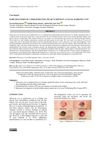 March 2022 in “Folia Medica Indonesiana”
 This case report described a facial hairline tumor initially diagnosed as a sebaceous cyst but ultimately confirmed as a rare Proliferating Pilar Tumor with focal malignancies upon histopathological examination.
6 citations
,
July 1994 in “Journal of Dermatological Science” This study found that introducing the recombinant rat OTC gene into SPF-ASH mice restored normal hair growth and metabolic function, improving symptoms associated with OTC deficiency.
July 2021 in “Belarusian State Pedagogical University repository (Belarusian State Pedagogical University)” In this study, PMC was identified as a promising plant for nourishing hair, with effective hair growth promotion and 5α-reductase inhibition observed in both laboratory and animal studies for androgenetic alopecia treatment.
 1 citations
,
December 2018 in “Journal of genetic medicine”
1 citations
,
December 2018 in “Journal of genetic medicine” In this case report, a 20-year-old male with tricho-rhino-phalangeal syndrome was found to have a de novo frameshift mutation in the TRPS1 gene, highlighting the challenges in diagnosing this rare disorder.