 December 2025 in “Scientific Reports”
 In this laboratory study, α-mangostin was found to significantly reduce melanin content and downregulate pigmentation-related genes in cultured skin and B16F10 cells, suggesting potential application as a natural whitening agent in sunscreen development.
 December 2025 in “Journal of Pharma Insights and Research.”
 This paper reviews the state of knowledge on injectable cryogels, highlighting their unique properties such as shape-memory and mechanical integrity, which allow for minimally invasive delivery via needles and potential applications in oncology and regenerative medicine.
 December 2025 in “Saudi Pharmaceutical Journal”
 This study developed a nanoemulsion containing Minoxidil, which showed effective stability and significantly increased hair growth rates in pretreated mice, suggesting its potential for treating hair loss.
 December 2025 in “International Journal of Pharmaceutical Sciences Review and Research”
 In this study, a newly developed polyherbal hair oil exhibited promising characteristics, including a beneficial pH and antimicrobial activity against Staphylococcus aureus, with preliminary tests suggesting it supports scalp and hair health without adverse effects.
 November 2025 in “Open Repository of the University of Porto (University of Porto)”
 This report reviews a pharmacy internship experience, presenting activities and two scientific topics, but does not report new research findings.
In this study, a pH-responsive microneedle patch was developed, showing potential in rat models for treating spinal cord injuries by reducing inflammation, promoting nerve regeneration, and supporting neurogenesis, which contributed to improved motor and neurological recovery.
 November 2025 in “International Journal of Applied and Experimental Biology”
 In this review, the authors discussed the potential of hemp in cosmeceutics for skin conditions like acne and dermatitis, emphasizing its therapeutic properties and formulation challenges but noting the need for standardizing cannabinoid content and documenting effectiveness.
 November 2025 in “Discover Pharmaceutical Sciences”
 In this study, a nanoemulsion containing lavender, peppermint, and rosemary essential oils was developed and shown to promote hair growth in mice at a rate comparable to 2% topical minoxidil, suggesting a promising natural alternative due to its antioxidant and anti-inflammatory effects.
 November 2025 in “Frontiers of Agricultural Science and Engineering”
 This study observed that rhizobacterial strain RT3 significantly improved drought tolerance in lettuce by increasing survival rates and fresh biomass after rewatering, with metabolites such as proline and glycine enhancing stress resilience.

This review reports that empirical evidence suggests an overlap between Long Covid, chronic fatigue syndrome, and fibromyalgia, highlighting the need for standardized definitions and rigorous methodologies in related research.
 October 2025 in “Open Repository of the University of Porto (University of Porto)”
 This report details a six-month pharmacy internship in Portugal, where the author engaged in hospital and community pharmacy settings, and discusses scientific topics including obesity medication risks and alopecia treatment options. Results and conclusions are not explicitly reported.
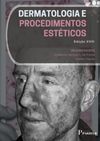 October 2025 in “Editora Pasteur eBooks”
 The abstract discusses the multidisciplinary nature and advancement of dermatology and aesthetic procedures within the health sciences, emphasizing the integration of diagnostic, corrective, preventive, and therapeutic approaches, but does not provide specific study results.
 October 2025 in “Open Repository of the University of Porto (University of Porto)”
 In this report, the author summarized activities from a six-month internship in community and hospital pharmacy settings, exploring topics like skin microbiome health implications and advancements in antiviral therapy for Hepatitis B and D, highlighting the pharmacist's role in patient care and innovative treatments.
 October 2025 in “Cermin Dunia Kedokteran”
 This review discusses personalized treatment strategies and management approaches for chronic obstructive pulmonary disease (COPD), emphasizing the need for multi-aspect assessments, but reports no new clinical findings.
This study found a weak and negative correlation between depression and adiponectin levels in women with polycystic ovary syndrome, which was statistically significant.
 September 2025 in “International Journal of Biology Pharmacy and Allied Sciences”
 In this review, the authors examined the bioactive compounds in rosemary, noting its potential anti-inflammatory, antimicrobial, wound-healing, and anticancer activities, and highlighted its use in traditional medicine and cosmetics for conditions such as aging, baldness, and sun damage.
 September 2025 in “Frontiers in Medicine”
 This study found that angiopoietin-1 significantly reduces apoptosis and promotes proliferation in human follicle dermal papilla cells under DHT-induced stress, suggesting its potential as a therapeutic candidate for androgenetic alopecia.

This research highlights selenium's critical roles in various biological processes and underscores the potential health impacts of both its deficiency and excess, including increased mortality risk, poor immune function, and neurological issues.
 September 2025 in “Editora Pasteur eBooks”
 This abstract discusses the broad scope of dermatology and aesthetic procedures, highlighting their significant multidisciplinary evolution within the health sciences, but it does not report specific study results.
 August 2025 in “MedScien”
 This study explores the design of responsive drug carriers based on the tumor microenvironment to improve targeting and reduce side effects in cancer treatment, using a model of delivering curcumin with a responsive polymer carrier and evaluating potential errors due to cancer cell heterogeneity.
 August 2025 in “Current Botany”
 This study suggests that Acrotrema arnottianum, a herb used in traditional medicine, contains biologically active metabolites like squalene and α-Tocopherol. It showed antibacterial effects against Staphylococcus aureus and antifungal properties against Candida albicans, while demonstrating antioxidant activity.
 August 2025 in “Frontiers in Pharmacology”
 This study identified three Ayurvedic compounds that may serve as potential treatments against the macrolide-resistant enzyme murE of *Tropheryma whipplei*, addressing challenges in treating Whipple disease.
 July 2025 in “Revista Eletrônica Acervo Científico”
 This integrative literature review found that hydroxychloroquine may stabilize inflammatory scarring autoimmune alopecias like frontal fibrosing alopecia, especially when combined with other therapies, while its effectiveness in non-scarring alopecias appears inconsistent and is limited to refractory cases.
 July 2025 in “International Journal of Dermatology Venereology and Leprosy Sciences”
 This review assessed the role of scalp hair Survivin protein in individuals with premature graying, exploring its potential involvement in graying-related processes and highlighting its overexpression in autoimmune diseases that may influence the survival of specific immune cell clones.
 May 2025 in “Scientific Reports”
 This study found that geraniol, derived from Apiaceae plants, may be an effective and eco-friendly treatment for scabies, achieving complete clinical recovery in infected rabbits within two weeks.
 May 2025 in “Cermin Dunia Kedokteran”
 This study highlights that early detection and tailored treatment based on kidney biopsy classification are crucial in managing lupus nephritis to prevent progression to end-stage kidney disease, with a focus on saving nephron cells.
 April 2025 in “Journal of Medical Residency Review”
 This review examined the use of platelet-rich plasma in aesthetic skin rejuvenation and found promising results when combined with other treatments, but limited efficacy when used alone.
 March 2025 in “Frontiers in Pharmacology”
 This study developed a hydrogel dressing incorporating angelica polysaccharides, demonstrating enhanced wound healing properties in a mouse model by promoting rapid hemostasis, tissue healing, and new blood vessel formation compared to Tegaderm™ film.
 March 2025 in “GSC Biological and Pharmaceutical Sciences”
 In this review, the authors examined the potential benefits of using wood tar in dermatology and cosmetics in Sub-Saharan Africa, based on its historical application in skin care and its worldwide usage.
 February 2025 in “Intisari Sains Medis”
 This article explores the potential mechanisms by which polydeoxyribonucleotide (PDRN) could improve skin quality, slow aging, and enhance skin regeneration, but reports no new clinical findings.