Search
for
Sort by
Research
210-240 / 1000+ resultsresearch The Physicochemical, Biopharmaceutical, and In Vitro Efficacy Properties of Freeze-Dried Dexamethasone-Loaded Lipomers
This study explored the use of dexamethasone-loaded polymer hybrid nanoparticles in a xanthan gum hydrogel for treating alopecia areata, finding that freeze drying with sucrose influenced particle size, release, and permeation, but had no impact on cytotoxicity or anti-inflammatory efficacy in human keratinocytes.

research A New Primary Wound Dressing Made of Polyethylene Oxide Gel
This study suggests that Vigilon®, a new occlusive wound dressing with high water content, may promote better wound healing than other similar dressings in dermatologic surgery.

research Polymeric nanoparticles-embedded organogel for roxithromycin delivery to hair follicles
This study concluded that polymeric nanoparticles effectively targeted hair follicles for drug delivery, but the organogel formulation did not enhance their penetration into the hair shaft.

research Comparative Morphological Characterization of Skin after Subcutaneous Application of Hyaluronic Acid and Polycaprolactone in Rats: Establishment of an Experimental Model
This study found that polycaprolactone (PCL) in facial fillers led to more cell proliferation and vascular activity than hyaluronic acid (HA) in Wistar rats, suggesting enhanced tissue regeneration effects with PCL.

research Self-healing and shape-adaptive nanocomposite hydrogels with anti-inflammatory, antioxidant, antibacterial activities and hemostasis for real-time visual regeneration of diabetic wounds
In this study, a novel nanocomposite hydrogel was developed for diabetic wound care, demonstrating superior tissue adhesion, antibacterial properties, and healing capabilities in vivo and in vitro, while also allowing real-time pH monitoring to aid clinical management.
research Recent Advances in the Use of Cubosomes as Drug Carriers with Special Emphasis on Topical Applications
This review reports that cubosomes, used as drug nanocarriers in topical treatments, offer potential benefits for managing skin and eye diseases by improving bioadhesion, retention, and sustained release compared to conventional formulations, but also face manufacturing and biological challenges for effective clinical outcomes.
research A Murine Monoclonal Antibody (VM-1) Against Human Basal Cells Inhibits the Growth of Human Keratinocytes in Culture
research Preparation and Properties of PVA/ZIF‐8 Sustained‐Release Fiber Loaded With Minoxidil Sulfate
In this study, researchers developed a novel composite fiber by incorporating minoxidil sulfate-loaded ZIF-8 nanoparticles into a polyvinyl alcohol matrix, achieving sustained drug release for up to 220 hours, strong mechanical properties, and the capability for cosmetic applications like wigs.
research Polyhydroxyalkanoates: Medical Applications and Potential for Use in Dentistry
This review discusses the medical and dental applications of polyhydroxyalkanoates (PHAs), highlighting their potential for improving drug delivery and providing biocompatible solutions for medical devices, but reports no new clinical results.

research Impact of substrate stiffness on dermal papilla aggregates in microgels
This study observed that dermal papilla cell aggregates showed increased viability and gene expression on softer 3D substrates, indicating the importance of substrate stiffness in cellular behavior.
research Polymeric Micelle Nanocarriers for the Cutaneous Delivery of Tacrolimus: A Targeted Approach for the Treatment of Psoriasis
This study found that MPEG-dihexPLA micelles significantly improved the skin deposition of tacrolimus compared to a marketed ointment, suggesting better targeted delivery with reduced systemic absorption.
research Trichohyalin: Purification from Porcine Tongue Epithelium and Characterization of the Native Protein
research A Keratin Fiber Sheath
Hair fibers may have a unique, non-protein sheath not previously identified.
research Nanoclay gels promote re-epithelialization and improve the quality of skin wound healing in a diabetic mouse model
This study found that applying Laponite clay gels to skin wounds in mice did not speed up wound closure but significantly improved healing quality compared to phosphate-buffered saline or alginate treatments, with benefits such as enhanced re-epithelialization and hair follicle stimulation near wounds.

research Toxic epidermal necrolysis caused by skin hypersensitivity to monosulfiram.
In their 1957 study, Neuman and Neuman suggested that magnesium deficiency may inhibit the ion exchange process required for calcium ions to enter extracellular fluid, potentially affecting calcium mobilization.
research A compositionally synergistic approach for the development of a multifunctional bilayer scaffold with antibacterial property for infected and chronic wounds
This study found that a novel hybrid bilayer scaffold system enhanced wound healing in an in-vivo model by promoting cell viability, migration, and preventing infection, showing potential as an advanced dressing for cutaneous wounds.
research Gallic Acid Nanocrystal Hydrogel: A Novel Strategy for Promoting Wound Healing and Inhibiting Scar Formation
In this study, a hydrogel with anti-inflammatory, antibacterial, antioxidant, and wound tissue adhesion properties was developed, showing significant potential for wound healing and suggesting it could offer a new and effective treatment option in clinical settings.
research Crisaborole as a Potential Treatment for Pediatric Alopecia Areata: A Case Report and Literature Review
This case report suggests that crisaborole may be an effective alternative treatment for alopecia areata in pediatric patients, showing significant hair regrowth after two weeks in a 10-year-old girl.
research The Viscoelastic Properties of Chemically Modified alpha-Keratins in Human Hair
This study found that chemically modifying human hair through esterification or disulfide reduction and alkylation affects the hair's viscoelastic properties, including stability, integrity, and response to moisture.

research Styling Nature: A Comprehensive Review and Experimental Evaluation of Polyherbal Hair Gels in Cosmetic Science
This review examined natural hair gels, incorporating an experimental polyherbal gel, and reported that these formulations possess multifunctional benefits for hair health, while also highlighting the importance of product safety and potential for innovative delivery systems.
research Preparation of human hair keratin/calcium alginate blend films
The researchers reported that increasing protein content in human hair keratin/calcium alginate blend films led to larger molecular aggregates, which influenced the films' physical properties such as light transmittance and tensile strength.

research Hyperbranched glycerol-based core-amphiphilic branched shell nanotransporters for dermal drug delivery
This study reports that novel core-ABS nanocarriers efficiently loaded with dexamethasone and finasteride show potential for dermal drug delivery, exhibiting non-toxic interactions with human keratinocyte cells and skin penetration.

research A highly resistant structure between cuticle and cortex of human hair
This study proposed the existence of a membrane-like structure between the cuticle and cortex in human hair, which may provide strong protection against external stimuli.
research Nε-(carboxymethyl) lysine (CML) inhibits hair follicle formation by suppressing hair bulb condensation

research Wound Healing Efficacy of Cellulose Hydrogel on ICR Mice: A Morphoanatomical, Histological and Genomic Study
This research evaluated the wound healing potential of NIMO-CH, a cellulose hydrogel with indigenous microorganisms, in ICR mice and found complete wound closure with hair growth by day 18-20, suggesting it could be a viable alternative for wound care.
research Melanocytes from the outer root sheath of human hair and epidermal melanocytes display improved melanotic features in the niche provided by cGEL, oligomer-cross-linked gelatin-based hydrogel
This study found that a novel hydrogel scaffold, cGEL, significantly increased melanin production and melanotic gene expression in human melanocytes compared to other graft materials, suggesting its potential as a superior carrier for skin grafting.

research Factors influencing hydrocortisone permeation into human hair follicles: Use of the skin sandwich system
This study found that formulation factors like pH, viscosity, and chemical enhancers can significantly influence intrafollicular hydrocortisone permeation in vitro, with higher pH and enhancers reducing follicular contribution.
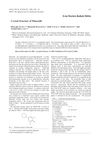
research Crystal Structure of Minoxidil
This structural study reports on the crystal properties of a compound used for treating alopecia, revealing different conformations and nitrogen hybridization in its piperidine rings.
research Topical Cetirizine 1% vs Minoxidil 5% Gel in Treatment of Androgenetic Alopecia
This website listing states that casemedicalresearch.com is available for purchase and aims to offer comprehensive information on various topics, highlighting it as a potential resource.