This study found that iontophoresis significantly increased folicular delivery of minoxidil sulfate and sustained release when combined with chitosan microparticles, suggesting potential to reduce application frequency for treating androgenic alopecia.
9 citations
,
December 2014 in “Daehan miyong hakoeji” Peppermint oil promotes hair growth and fights bacteria better than minoxidil.
 May 2026 in “International Journal of Zoology and Applied Biosciences”
 This study developed and tested an herbal shampoo powder using medicinal plants, finding that formulation F6—which includes Tulsi and Neem—showed the highest antimicrobial efficacy against Pityrosporum ovale and Escherichia coli, with the formulations remaining non-irritant to skin and providing a stable alternative to synthetic shampoos.
September 2010 in “Reactions weekly” The combination of tretinoin, minoxidil, and betamethasone valerate may cause severe scalp inflammation.
November 2025 in “JEADV Clinical Practice” In this case report, a 28-year-old woman's tinea capitis, diagnosed using a Wood's lamp, was successfully treated with oral itraconazole and ketoconazole shampoo over eight weeks.
 November 2019 in “Actas Dermo-Sifiliográficas”
 This article discusses the historic use of oral minoxidil for severe hypertension and the subsequent development of a topical formulation for treating pattern hair loss, but reports no new results.
July 2025 in “Journal of Investigative Dermatology” This study suggests that Breezula® and Minoxidil both enhance hair growth in male pattern hair loss by promoting keratinocyte proliferation, with Breezula® potentially more potent in reducing the hair growth inhibitor IL-6.
 26 citations
,
July 2003 in “Journal of Cutaneous Medicine and Surgery”
26 citations
,
July 2003 in “Journal of Cutaneous Medicine and Surgery” This study found that topical minoxidil solution is a safe treatment for androgenetic alopecia, with no increase in cardiovascular events or adverse pregnancy outcomes observed.
 1 citations
,
August 2021 in “International journal of cosmetic science (Print)”
1 citations
,
August 2021 in “International journal of cosmetic science (Print)” This study reported that using piroctone olamine in either a shampoo or leave-on product form significantly increased hair retention and improved scalp condition in women with perceived hair thinning.
 March 2021 in “Hair transplant forum international”
 This article provides an overview of minoxidil's application as a vasodilator for severe hypertension and its topical use for treating androgenetic alopecia, detailing its effective plasma threshold levels for hair growth induction without new findings.
 August 2019 in “Journal of The American Academy of Dermatology”
 This study found that a bleach bath treatment with 0.005% HOCI reduced the expression of certain serine proteases in cultured keratinocytes and lowered skin pH in atopic dermatitis patients, potentially improving symptoms by modulating the NF-kB pathway.
 43 citations
,
October 2002 in “International Journal of Cosmetic Science”
43 citations
,
October 2002 in “International Journal of Cosmetic Science” This study found that 1% ketoconazole and 1% piroctone olamine shampoos increased hair shaft thickness and reduced hair shedding in men with telogen effluvium and androgenic alopecia associated with dandruff.
 26 citations
,
April 1977 in “PubMed”
26 citations
,
April 1977 in “PubMed” This report notes that five women experiencing hypertrichosis as a side effect of minoxidil had successful hair removal using a calcium thioglycolate depilatory agent.
 12 citations
,
November 2011 in “International Journal of Dermatology”
12 citations
,
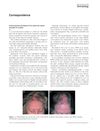
November 2011 in “International Journal of Dermatology” A woman developed a scalp condition from using minoxidil, which improved with a different treatment but left scarring.
 25 citations
,
July 2015 in “Colloids and Surfaces B: Biointerfaces”
25 citations
,
July 2015 in “Colloids and Surfaces B: Biointerfaces” This study found that microencapsulation combined with iontophoresis can significantly enhance the delivery of minoxidil sulphate to hair follicles, suggesting a synergetic approach for topical drug targeting.
 December 2024 in “http://isrctn.com/”
 MpowerTM may improve hair growth and satisfaction more than plain minoxidil, with mild side effects.
6 citations
,
December 1989 in “Journal of the American Academy of Dermatology” Minoxidil lotion can cause hair discoloration.

This study found that compounded topical minoxidil was associated with higher adherence, fewer side effects, and more clinical improvement in Black women compared to over-the-counter minoxidil.
2 citations
,
May 1989 in “JAMA” This article discusses the use of topical minoxidil for hair growth in male pattern baldness and highlights ongoing interest despite limited evidence of cosmetic effectiveness; it does not report new clinical results.
This study focused on developing a nanoemulsion-based gel for delivering minoxidil, aiming to enhance its contact time with the scalp and potentially improve skin absorption compared to conventional topical solutions.
 August 2022 in “Yakugaku zasshi”
 In this study, pre-treatment with steam towel, l-menthol, and CA-carpronium enhanced the absorption of minoxidil nanoparticles in mice, potentially increasing therapeutic efficiency without side effects.
 September 2022 in “Journal of pharmaceutical sciences”
 This study found that adding hydroxypropyl cellulose to minoxidil formulations significantly increased scalp retention and penetration compared to other formulations, potentially leading to reduced application frequency and improved efficacy.
 November 2024 in “RECIMA21 - Revista Científica Multidisciplinar - ISSN 2675-6218”
 In this study, a literature review concluded that minoxidil is safe and effective for treating androgenetic alopecia, with few side effects, and highlighted the role of pharmacists in optimizing treatment by monitoring use and fostering adherence.
7 citations
,
January 1989 Minoxidil and 4-MA can help treat hair loss.
 5 citations
,
February 2022 in “East African Journal of Science Technology and Innovation”
5 citations
,
February 2022 in “East African Journal of Science Technology and Innovation” This study evaluated a herbal shampoo containing flavonoid glycosides from Dicerocaryum senecioides and found that it successfully treated T. tonsurans infections in children's scalp when used daily, demonstrating significant effectiveness compared to a placebo.
 August 2014 in “Journal of clinical & experimental dermatology research”
 This study found that using Cerita anti hair loss tonic significantly reduced daily hair loss in men compared to a temple lotion, suggesting potential benefits of herbal stimulators in addressing androgenic hair loss.
In this study, Minoxidil and other treatments prevented alopecia in mice induced by Paclitaxel, with quantitative data supporting the inhibition of hair loss.

In this study, clove leaf ethanol extract shampoo at 15% concentration effectively promoted hair growth in male white rats, though it was less effective than 5% minoxidil.