1 citations
,
June 1959 in “A M A Archives of Dermatology” In this study, treatment of alopecia areata, totalis, and universalis with methyl prednisolone and ACTH injections resulted in complete regrowth in 62% of male and 58% of female patients.
March 2006 in “مجله علوم پزشکی رازی” This study found that a 6-week course of prednisone may lead to more than 25% hair regrowth in up to 47% of patients with alopecia areata, with manageable side effects, while 2% topical minoxidil could reduce poststeroid hair loss.
14 citations
,
January 2015 in “Indian journal of dermatology, venereology, and leprology” This study found that methylprednisolone pulse therapy may be an effective treatment option for patients with severe multifocal alopecia areata, particularly those experiencing their first episode.
 18 citations
,
January 1990 in “Journal of The American Academy of Dermatology”
18 citations
,
January 1990 in “Journal of The American Academy of Dermatology” This study found that dexamethasone effectively suppressed DHEAS levels in women with elevated levels using much lower doses than previously thought, without significant adverse effects.
27 citations
,
May 2011 in “Journal of dermatology” In this study, methylprednisolone pulse therapy was found to be effective for severe alopecia areata patients, especially those with a short disease duration or plurifocal type.
 February 2018 in “The Journal of Sexual Medicine”
 The researchers reported that using Natesto® testosterone gel improved erectile function and mood in hypogonadal men over a 90-day period.
September 2007 in “대한피부과학회지” This study found that high dose methylprednisolone therapy may stop the progression of and promote hair regrowth in patients with acute diffuse alopecia areata.
10 citations
,
October 2006 in “Expert Opinion on Emerging Drugs” This review discusses trends in testosterone therapy use for male hypogonadism and reports no new clinical results, noting a shift towards more convenient and physiological treatments.
 15 citations
,
April 2008 in “Steroids”
15 citations
,
April 2008 in “Steroids” This study found that pregnane derivatives with higher lipophilicity, like compound 9d, had stronger androgen receptor binding and greater antiandrogenic effects in rats, correlating relative binding affinity with log P values.
7 citations
,
April 2022 in “Journal of pharmaceutical and biomedical analysis” This study describes a new method using high-resolution mass spectrometry for analyzing multiple steroids in human scalp hair, with newborn hair showing the highest steroid concentrations among examined age groups.
 22 citations
,
February 2002 in “Planta Medica”
22 citations
,
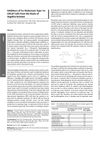
February 2002 in “Planta Medica” In this study, osthenol was identified as a highly potent inhibitor of 5alpha-reductase type I in LNCaP cells, significantly outperforming finasteride.
27 citations
,
July 2008 in “The Journal of Steroid Biochemistry and Molecular Biology” The new compounds may be more effective and cheaper than current treatments for conditions like baldness.
1 citations
,
January 2010 in “Endocrine abstracts” January 2025 in “Reactions Weekly” November 2024 in “Reactions Weekly” May 2023 in “Reactions Weekly”  8 citations
,
June 2020 in “The Journal of Clinical Endocrinology and Metabolism”
8 citations
,
June 2020 in “The Journal of Clinical Endocrinology and Metabolism” This study found that co-administering glucocorticoids with 5α-reductase inhibitors exacerbated the adverse metabolic effects of glucocorticoids in healthy men.
February 1996 in “Clinical Pharmacology & Therapeutics” MK-386 reduces sebum DHT levels.
78 citations
,
October 2003 in “Cochrane library” This review found that adding cyproterone acetate to estradiol showed a subjective improvement in hirsutism versus placebo, but comparisons with other therapies revealed no clinical differences.
56 citations
,
January 1999 in “The Analyst” This study used gas chromatography-mass spectrometry to simultaneously quantify androstenedione, dihydrotestosterone, dehydroepiandrosterone, testosterone, androsterone, etiocholanolone, progesterone, and pregnenolone in human hair, detecting differences in steroid concentrations between male and female samples.
19 citations
,
June 2021 in “The world journal of men's health” This review examines the negative effects of anabolic-androgenic steroid use on the male reproductive system, including impaired testosterone production, sperm production issues, and adverse metabolic consequences without reporting new clinical results.
 11 citations
,
January 2000 in “The Journal of Steroid Biochemistry and Molecular Biology”
11 citations
,
January 2000 in “The Journal of Steroid Biochemistry and Molecular Biology” This study found that LY320236 is a competitive inhibitor of type I and a non-competitive inhibitor of type II steroid 5alpha-reductase, indicating its potential as a dual inhibitor with differing modes of activity.
 July 2023 in “The journal of sexual medicine”
 This study concluded that anabolic-androgenic steroids negatively impact male reproductive health, including reduced testosterone production, impaired sperm production, and increased risk of sexual dysfunction and metabolic issues.
 19 citations
,
June 1999 in “Steroids”
19 citations
,
June 1999 in “Steroids” This study found that compound 10 inhibited testosterone conversion to DHT in hamster flank organs and seminal vesicles, whereas compound 11's inhibitory effect varied with dose, linked to halogen electronegativity differences.
24 citations
,
November 1992 in “Archives of Dermatology” This study found that a 6-week taper of prednisone led to more than 25% hair regrowth in 30% to 47% of alopecia areata patients, and applying 2% topical minoxidil helped maintain this growth.
 17 citations
,
August 2015 in “Journal of steroid biochemistry and molecular biology/The Journal of steroid biochemistry and molecular biology”
17 citations
,
August 2015 in “Journal of steroid biochemistry and molecular biology/The Journal of steroid biochemistry and molecular biology” This study concluded that the best approach for detecting Androsta-1,4,6-triene-3,17-dione administration in horses is monitoring the metabolites M1b or M4 in urine, detectable up to 77 hours post-administration.
October 2016 in “Journal of Case Reports” This study reports a case of an ovarian steroid cell tumor with malignant potential, presenting unusually with osteopenia and low weight instead of the expected virilizing symptoms.
14 citations
,
June 2011 in “Steroids” This study found that several dehydroepiandrosterone ester derivatives effectively reduced prostate and seminal vesicle weight in gonadectomized hamsters treated with testosterone, demonstrating potential antiandrogen effects comparable to Finasteride.
January 2007 in “Zhōnghuá yàoxué zázhì” This study concluded that two exemestane preparations are bioequivalent, using a high-performance liquid chromatographic mass spectrometric method to measure concentrations in human plasma.
December 2023 in “International journal of molecular sciences” This in vitro study found sex chromosome differences affect steroidogenic enzyme activity and androgen receptor expression in human skeletal muscle cells, showing varied responses to testosterone exposure between 46XY and 46XX cells.