 21 citations
,
January 2005 in “Pediatric Dermatology”
21 citations
,
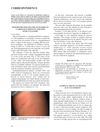
January 2005 in “Pediatric Dermatology” An 8-year-old girl with vitiligo developed extra hair growth on her knee after using tacrolimus ointment.
 19 citations
,
December 2018 in “Experimental and Molecular Medicine”
19 citations
,
December 2018 in “Experimental and Molecular Medicine” This study reports that the novel small molecule IM176OUT05, by modifying stem cell metabolism, promoted hair regrowth and increased hair follicle numbers in mice.
 16 citations
,
January 2005 in “Pediatric Dermatology”
16 citations
,
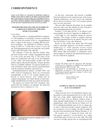
January 2005 in “Pediatric Dermatology” This brief report describes a case of Fox-Fordyce disease in a prepubertal girl but reports no new clinical findings.
 14 citations
,
January 2005 in “Pediatric Dermatology”
14 citations
,
January 2005 in “Pediatric Dermatology” This case report describes a child with hypopigmented mycosis fungoides successfully treated with UVA1 light therapy.
 13 citations
,
December 2019 in “Nutrients”
13 citations
,
December 2019 in “Nutrients” In human follicular cells, this study found that an Annurca apple-based dietary supplement may stimulate the production of hair keratins, suggesting potential benefits for hair growth.
 13 citations
,
November 2013 in “The Journal of Dermatology”
13 citations
,
November 2013 in “The Journal of Dermatology” This study suggests that minoxidil 2% lotion is a safe and effective treatment for enhancing eyebrows, showing better results than placebo after 16 weeks.
 12 citations
,
January 2005 in “Pediatric Dermatology”
12 citations
,
January 2005 in “Pediatric Dermatology” Fox Fordyce disease might be more common in prepubertal girls than thought and can be managed with treatment.
 12 citations
,
October 1954 in “Textile Research Journal”
12 citations
,
October 1954 in “Textile Research Journal” This study found that alkali bromide solutions are absorbed into hair depending on salt activity, and the presence of the salt increases water absorption compared to normal conditions.
 9 citations
,
May 2015 in “Cardiology Clinics”
9 citations
,
May 2015 in “Cardiology Clinics” This review discusses the timing and management of dyslipidemia screening around pregnancy and emphasizes dietary, exercise, and glycemic interventions during pregnancy without reporting new clinical outcomes.
 9 citations
,
January 2005 in “Pediatric Dermatology”
9 citations
,
January 2005 in “Pediatric Dermatology” This report details the clinical presentation and management of cutaneous mastocytosis in Indian children and provides no new experimental findings.
 7 citations
,
January 2010 in “Animal”
7 citations
,
January 2010 in “Animal” This review discusses studies on hair growth and protein synthesis in hair follicles, highlighting the differing responses of mohair and cashmere goat follicles to signaling molecules, biotin, and amino acids, but contains no new results.
 6 citations
,
January 2018 in “Pharmacoepidemiology and Drug Safety”
6 citations
,
January 2018 in “Pharmacoepidemiology and Drug Safety” In this study, 5-α reductase inhibitors were not significantly linked to increased rhabdomyolysis risk, but they may raise the risk of myopathy and myositis in men aged 66 and older.
 6 citations
,
October 2016 in “Journal of Cellular Physiology”
6 citations
,
October 2016 in “Journal of Cellular Physiology” This study found that human dermal fibroblasts can promote the viability and proliferation of microvascular endothelial cells in vitro, revealing important interactions at play in hair growth.
 5 citations
,
September 2024 in “Stem Cell Research & Therapy”
5 citations
,
September 2024 in “Stem Cell Research & Therapy” This study found that stem cell transplantation effectively reduced acute inflammation-induced testicular damage, suggesting potential for cell-based therapies in addressing male infertility.
 5 citations
,
September 2020 in “Molecules”
5 citations
,
September 2020 in “Molecules” In this study, extracts from three Polynesian plants—Bidens pilosa, Calophyllum inophyllum, and Fagraea berteroana—were found to increase dermal papilla cell proliferation and modulate hair growth-related gene expression, suggesting potential for stimulating hair growth.
 5 citations
,
December 2012 in “Journal of Dermatology”
5 citations
,
December 2012 in “Journal of Dermatology” This letter reports on the impact wigs may have on the perceived quality of life in patients with androgenetic alopecia.
 3 citations
,
February 2016 in “Endocrinology and Metabolism Clinics of North America”
3 citations
,
February 2016 in “Endocrinology and Metabolism Clinics of North America” This review discusses the timing and management of dyslipidemia screening and intervention in pregnancy and highlights the need for lipid profile assessments each trimester; it reports no clinical results.
 2 citations
,
January 2019 in “BMC Cancer”
2 citations
,
January 2019 in “BMC Cancer” This meta-analysis suggests that any pattern of male baldness may be associated with a decreased risk of testicular cancer, with stage II hair loss providing the strongest protective effect.
 1 citations
,
March 2021 in “Skin health and disease”
1 citations
,
March 2021 in “Skin health and disease” This review evaluates laboratory models used in androgenetic alopecia research but reports no new findings, emphasizing the potential of human-derived 3-D models for future studies.
 1 citations
,
January 2020
1 citations
,
January 2020 This study found that Ift20 is essential for hair follicle stem cell identity and hair regrowth, and it regulates keratinocyte migration during wound healing through focal adhesion integrin recycling, independently of ciliogenesis.
 April 2026 in “Research Square”
 This study found that dental students' manual dexterity was weakly associated with their performance in skills-based assessments, while self-perceived skill levels showed no significant correlation with assessment outcomes, suggesting a potential benefit from focusing on dexterity enhancement in dental education.
 March 2026 in “Aesthetic Plastic Surgery”
 This review discusses the integration of Artificial Intelligence in non-surgical cosmetic procedures, highlighting its potential to improve personalized aesthetic care and operational efficiency while addressing ethical and regulatory challenges; it presents no new clinical findings.
 March 2026 in “Brazilian Journal of Microbiology”
 This study found that restoring the skin microbiome significantly improved hair growth and skin condition in androgenic alopecia model mice by modulating the immune-inflammatory balance, highlighting the potential of bacterial-based therapies for hair loss.

This study introduces Kalya Research, an AI-driven tool designed to identify and categorize literature on complementary and alternative medicines, showing its effectiveness compared to Medline in finding relevant alopecia research within the context of breast cancer patients.
 September 2023 in “Nature communications”
 This study found that VE-cadherin and Alk1, traditionally linked to vascular functions, also play crucial roles in maintaining nerve homeostasis in mice during hair growth cycles by modulating certain cell populations.
 January 2023 in “Åbo Akademi University Research Portal”
 This study found that vimentin is essential for proper wound healing and cell growth by influencing EMT signaling and mTOR activity in mice.
 August 2020 in “Textile research journal”
 This study introduces a modular fiber model to investigate how changes in microstructural properties of wool affect its critical buckling load, highlighting potential uses and areas needing further research in wool fiber biophysics.
 January 2020 in “Research Portal Denmark”
 This study concludes that anti-androgenic chemicals causing short anogenital distance in male fetuses also induce a feminized transcriptional profile in the perineum, implicating Wnt and estrogen signaling in the process.
 September 2019 in “University of Huddersfield Repository (University of Huddersfield)”
 In this study, nanoemulsion formulations were found to significantly enhance the skin retention of the antiseptic agent triclosan, with the optimal mixture being a low surfactant concentration, as demonstrated through quantitative and qualitative analysis using tape-stripping and micro CT scans.
 November 2017 in “Research Journal of Health Sciences”
 This study found that infections and eczematous conditions were the most common skin disorders across all ages, with acne vulgaris being notably prevalent in adolescents and young adults.