June 2025 in “British Journal of Dermatology” In this case report, a 67-year-old woman experienced patchy hair loss, likely related to denosumab treatment for osteoporosis, as other potential causes were ruled out; stopping denosumab led to hair regrowth following intralesional triamcinolone treatment, suggesting a potential denosumab-induced alopecia areata.

In this case report, a 68-year-old Caucasian woman with Brunsting-Perry pemphigoid experienced scarring alopecia, which was effectively managed using intralesional betamethasone and topical mometasone furoate, suggesting this rare condition may be underdiagnosed in scarring alopecia cases.
March 2025 in “Revista Foco” This review describes the clinical signs, symptoms, and diagnostic findings for alopecia frontal fibrosante, emphasizing the importance of early diagnosis and variable treatment options, and reports no new findings.
 February 2025 in “Journal of Neonatal Surgery”
 This study reports that non-surgical treatments like triamcinolone acetonide and Botulinum toxin Type A reduced keloid volume by up to 80% in children, with combination therapies being safer and having fewer side effects.
 January 2025 in “Dermatology Practical & Conceptual”
 Perinevoid alopecia can be effectively treated with non-invasive corticosteroids.
January 2025 in “JAAD Case Reports” In this study, researchers noted that while Poly-L-lactic acid dermal fillers boost collagen synthesis to add volume and reduce wrinkles, there is no established link between these fillers and hair loss according to existing literature.
December 2024 in “Skin Appendage Disorders” This case report highlights the diagnostic challenges of distinguishing folliculotropic mycosis fungoides from alopecia areata and lichen planopilaris, emphasizing the importance of histopathological evaluation for accurate diagnosis and treatment.
 November 2024 in “Cureus”
 This case report describes a patient who developed dissecting cellulitis of the scalp after follicular unit extraction, showing significant improvement with isotretinoin, dutasteride, and steroids.
 November 2024 in “Journal of Cosmetic Dermatology”
 This case report highlights a rare instance of filler-induced alopecia in a young woman following hyaluronic acid filler injections, showing successful hair regrowth and scar resolution through multidisciplinary treatment including hyaluronidase and other therapies, emphasizing early recognition and intervention.
 October 2024 in “JEADV Clinical Practice”
 This study reports the prescribing preferences of UK dermatologists for treating various hair loss conditions, noting that topical corticosteroids for mild to moderate alopecia areata and topical minoxidil for female pattern hair loss are commonly used first-line treatments.
 October 2024 in “Journal of Education Health and Sport”
 This article reviews treatment options for Alopecia Areata, concluding that topical corticosteroids are effective for mild cases, while systemic therapies are advised for moderate to severe cases.
This study introduced the C-CAT, a new assessment tool for central centrifugal cicatricial alopecia, and found that established treatments improved symptoms in most patients over six months.
 August 2024 in “JEADV Clinical Practice”
 In this clinical trial, 16 women with frontal fibrosing alopecia experienced significant improvements in hair density, vellus hair count, and quality of life after monthly intralesional dutasteride treatments, though larger and longer-term studies are needed to confirm these findings.
 August 2024 in “Clinical Cosmetic and Investigational Dermatology”
 This report describes the successful resolution of an epidermoid cyst using a minimally invasive approach with intralesional injection of recombinant enzymes.
July 2024 in “Journal of Investigative Dermatology” Topical corticosteroids are recommended first for treating pediatric alopecia areata due to safety and ease of use.
In this case study, a 46-year-old woman with localized discoid lupus erythematosus on her scalp showed significant improvement with a combination of oral hydroxychloroquine and topical pimecrolimus, despite limited success with previous treatments.

This study concluded that monthly intralesional autologous platelet-rich plasma therapy significantly decreased alopecia areata severity over four months compared to daily 5% topical minoxidil therapy.

This case report highlights the successful treatment of a 37-year-old male with steroid-resistant beard alopecia areata using baricitinib, a JAK-1/2 inhibitor, over 9 months, resulting in reduced hair loss and improved hair density.
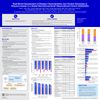
In this retrospective study of alopecia areata patients across several European countries, researchers observed a notable reduction in SALT scores, but few patients reached or maintained a clinically significant SALT score of ≤20, indicating potentially limited effectiveness of current treatments for extensive hair loss.
 February 2024 in “Acta dermato-venereologica”
 This study reports that folliculitis decalvans and lichen planopilaris phenotypic spectrum is an underdiagnosed form of cicatricial alopecia, potentially treatable with anti-inflammatory drugs used for lichen planopilaris.
 February 2024 in “Journal of cutaneous and aesthetic surgery”
 This study reported that platelet-rich plasma therapy combined with intralesional triamcinolone acetonide was beneficial for patients with alopecia totalis, helping them reduce reliance on oral immunosuppressants.
 February 2024 in “Journal of dermatology”
 In this case report, a 36-year-old woman with systemic lupus erythematosus and alopecia related to discoid lupus erythematosus showed hair regrowth following treatment with concentrated growth factor, suggesting its potential as a cosmetic therapy for DLE.
December 2023 in “JAAD Case Reports” In this study, a 55-year-old man with a localized patch of alopecia areata achieved hair regrowth through intralesional triamcinolone acetonide injections, demonstrating this treatment as an effective initial therapy for localized alopecia areata.
 December 2023 in “European journal of dermatology/EJD. European journal of dermatology”
 In this study, researchers analyzed dermatologists' treatment practices for alopecia areata across five European countries, finding that topical and intralesional corticosteroids are most commonly prescribed for mild to moderate cases, while severe cases often see increased use of immunosuppressants and wigs.
 November 2023 in “Aktualʹnì problemi sučasnoï medicini”
 This article provides a review of alopecia areata, highlighting the development of diagnostic and therapeutic algorithms that consider factors such as age, disease severity, and quality of life, but it reports no new clinical findings.

This case report presented the successful treatment of a patient with alopecia universalis using tofacitinib.
 September 2023 in “Journal of the Dermatology Nurses’ Association”
 This case study reports that platelet-rich plasma treatment led to total hair regrowth in a 71-year-old woman with alopecia areata who had not responded to previous standard therapies.
 August 2023 in “JAAD international”
 This study observed that most pediatric dermatologists prefer class 1 and 2 topical corticosteroids as first-line treatments for pediatric alopecia areata, with increasing use of JAK inhibitors as second-line therapy.
 August 2023 in “Dermatology and Therapy”
 This consensus statement from Saudi Arabia outlines evidence- and experience-based recommendations for diagnosing and managing alopecia areata, focusing on severity assessment, prognostic indicators, and therapeutic options, with special attention to pediatric patients and uncommon cases.
 August 2023 in “JAAD Case Reports”
 This report describes a 57-year-old woman with fibrosing alopecia in a pattern distribution, who experienced hair regrowth with combined treatment including hydroxychloroquine and other topical and oral therapies.