February 2026 in “iScience” This study found distinct hair metal profiles in Parkinson's disease patients, with lower iron and copper, higher manganese and arsenic, and explored their link to gut dysfunction and microbiota dysbiosis, suggesting hair metal analysis as a promising diagnostic tool.
December 2025 in “Current Issues in Molecular Biology” In this systematic review, animal studies showed that cytarabine causes multi-organ toxicities, notably neurotoxicity, linked to oxidative stress and other mechanisms, though study quality raises concerns about reliability and translation to human outcomes.
2 citations
,
October 2025 in “ACS Infectious Diseases” This review highlights how disruptions in the host microbiome can worsen inflammation and infection-related pathology, while it remains unclear exactly how the microbiome helps resolve such inflammation, potentially impacting future treatments for infection-induced inflammatory diseases.
33 citations
,
January 2018 in “Blood” This study found that topical ruxolitinib protected Lgr5+ skin stem cells and maintained skin homeostasis in skin GVHD, unlike corticosteroids.
166 citations
,
November 2008 in “Expert Review of Endocrinology & Metabolism” This review discusses biotin and biotinidase deficiencies, their symptoms, and methods of medical management, without presenting new clinical findings.
12 citations
,
November 2024 in “International Journal of Molecular Sciences” This study found that hydroxytyrosol significantly alleviated acute liver injury in mice by suppressing inflammation and targeting the TNF-α/PI3K/AKT signaling pathway.
11 citations
,
June 2020 in “FEBS Journal” This review discusses the regulation of myeloid cell networks in barrier tissues and how various factors influence immune homeostasis, but it reports no new experimental results.
8 citations
,
January 2021 in “PubMed” This study suggests that hair follicle-derived mesenchymal stem cell transplantation may effectively treat acute pancreatitis by reducing inflammation and promoting pancreatic regeneration in a rat model.
6 citations
,
June 2016 in “The anatomical record” This study found that Merkel cells in dogs are most numerous in sensory receptive areas like oral mucosa and facial skin, indicating a potential role in tactile sensation.
 1 citations
,
July 2023 in “Frontiers in Immunology”
1 citations
,
July 2023 in “Frontiers in Immunology” This review highlights the role of chronic stress, oxidative stress, and immune processes in the development of Hashimoto’s thyroiditis and polycystic ovary syndrome, emphasizing the potential of antioxidants in their treatment based on the existing literature.
September 2025 in “Acta Biomaterialia” In this study, researchers developed injectable micropore-forming hydrogels that enhance tissue adhesion strength and promote wound healing by allowing better cell infiltration and inducing hair follicle regeneration in skin incision wound models.
September 2025 in “Frontiers in Microbiology” This review discusses targeting gut microbiota modulation as a promising strategy for osteoarthritis prevention and management but reports no new clinical findings.
This review highlights the increasing global incidence and broad socio-economic impact of celiac disease, emphasizing the need for improved recognition and management to address its multidimensional implications, including comorbidities and dietary challenges.
 December 2023 in “The journal of physical chemistry. B (1997 : Online)”
 This study explored the potential of human hair keratin as a filtration material, finding that it may effectively absorb the pollutants diclofenac and perfluorobutanesulfonate. The researchers reported significant binding affinities through molecular simulations, supporting further investigation into keratin's use for water purification.
 August 2023 in “The American Journal of Medicine”
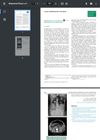
 This case report describes a 17-year-old female patient diagnosed with systemic lupus erythematosus, presenting with arthralgia, hair loss, and Raynaud's phenomenon. The diagnosis was supported by elevated ESR and positive autoantibodies, and treatment included hydroxychloroquine and prednisone.
 August 2025 in “Frontiers in Microbiology”
 This study found that microneedling treatment improved hair regeneration in an animal model of alopecia areata and positively influenced the gut microbiome by restoring microbial diversity and altering short-chain fatty acid levels.
60 citations
,
September 2023 in “Science” This study found that the restoration of CD103⁺γδ T cells in humans is associated with sustained remission in inflammatory bowel disease, suggesting a conserved role for these cells in limiting disease progression.
13 citations
,
July 1978 in “Journal of comparative pathology” In this study, feeding albino mice various doses of Acanthospermum hispidum shoots and seeds caused toxicity and death within 9 to 172 days.
2 citations
,
November 2022 in “Zaporozhye Medical Journal” This review analyzes the wide range of extrapulmonary symptoms in COVID-19, highlighting variations in severity from mild cases with anosmia to severe cases impacting major organs.
This systematic review reported that treatment with drugs that activate the Wnt pathway, including valproic acid and lithium, was not associated with a significant increase in cancer risk. The authors suggest further research on Wnt activation's potential as a regenerative therapy.
 June 2023 in “Antioxidants”
 This study found that lipids extracted from Schizochytrium sp. significantly enhanced the proliferation and survival of dermal papilla cells under oxidative stress, reduced reactive oxygen species, inhibited ferroptosis, and promoted antioxidant genes, which improved hair growth in experimental settings, suggesting a potential treatment for alopecia.
18 citations
,
May 2024 in “Pharmaceutics” This review discusses advances in drug delivery systems to enhance oleanolic acid's bioavailability and therapeutic potential but reports no new clinical results.
 18 citations
,
October 2020 in “Radiation Research”
18 citations
,
October 2020 in “Radiation Research” This review discusses the similarities between COVID-19 and acute radiation syndrome, highlighting their shared inflammatory responses and suggesting that insights from radiation biology could inform COVID-19 research and treatment approaches; it reports no new clinical results.
 April 2026 in “Nanomaterials”
 This perspective study suggests that plant-derived extracellular vesicles could advance the use of Ayurvedic medicinal plants in nanomedicine by enhancing their therapeutic potential and guiding future research.
124 citations
,
January 1995 in “The journal of allergy and clinical immunology/Journal of allergy and clinical immunology/The journal of allergy and clinical immunology” This article reports a case of Netherton's syndrome that responded to 12% ammonium lactate lotion, suggesting potential treatment benefits for skin and allergic symptoms in this rare condition.
107 citations
,
March 2014 in “BoneKEy Reports” This abstract reviews hereditary vitamin D-resistant rickets, a rare genetic condition causing severe early childhood rickets, and reports no new results; effective treatment typically requires high doses of calcium to address hypocalcemia and secondary hyperparathyroidism.
 89 citations
,
June 2012 in “Anais Brasileiros de Dermatologia”
89 citations
,
June 2012 in “Anais Brasileiros de Dermatologia” This review compiles epidemiological data on actinic keratoses and suggests promoting strategies like early diagnosis and photoprotection to prevent progression to skin cancer, but it reports no new clinical findings.
70 citations
,
April 2020 in “Journal of Molecular Cell Biology” This review summarizes recent advances in organoid technology for generating tissue models from the three germ layers and reports no new experimental results.
 67 citations
,
November 2019 in “Molecules”
67 citations
,
November 2019 in “Molecules” This review collected findings on the various cosmetic and therapeutic properties of tea extracts, highlighting their antioxidant, anti-inflammatory, and photoprotective effects among other benefits for skin and hair care.
45 citations
,
May 2024 in “International Journal of Molecular Sciences” This manuscript reviews the latest understanding of alopecia areata's pathogenesis, highlighting the roles of genetic, immunological, and environmental factors, with a focus on immune responses involving IFN-γ and cytotoxic CD8+ T-cells as key contributors to hair follicle inflammation and function disruption without follicle destruction.