 1 citations
,
May 2025 in “The Journal of Rheumatology”
1 citations
,
May 2025 in “The Journal of Rheumatology” In this case report, treatment with anifrolumab led to significant improvement in symptoms for a 52-year-old woman with refractory systemic lupus erythematosus, including resolution of chronic lupus headaches resistant to previous therapies.
 23 citations
,
August 2018 in “Facial Plastic Surgery Clinics of North America”
23 citations
,
August 2018 in “Facial Plastic Surgery Clinics of North America” This review discusses the role of defensin peptides in stem cell activation for potential skin rejuvenation therapies and reports no new clinical findings, emphasizing the need for further studies.
 109 citations
,
October 2007 in “Journal of pineal research”
109 citations
,
October 2007 in “Journal of pineal research” This study suggests that melatonin plays a role in hair follicle function by modulating growth and pigmentation, and it may act as a protective agent in active hair growth phases.
 153 citations
,
March 2017 in “Endocrine”
153 citations
,
March 2017 in “Endocrine” This review examines recent advances in understanding the pathophysiology and molecular mechanisms of androgenetic alopecia, highlighting two major genetic risk loci, but does not report new clinical findings.
 109 citations
,
September 2011 in “Human molecular genetics online/Human molecular genetics”
109 citations
,
September 2011 in “Human molecular genetics online/Human molecular genetics” This review discusses keratin disorders and potential RNA interference therapeutics, reporting no new clinical findings but highlighting the promise of siRNA for future treatments.
 80 citations
,
January 1995 in “The American Journal of Medicine”
80 citations
,
January 1995 in “The American Journal of Medicine” Hair loss in androgenetic alopecia is caused by genetic factors and androgen excess, and can be treated with combined therapies.
 65 citations
,
August 2007 in “Experimental Dermatology”
65 citations
,
August 2007 in “Experimental Dermatology” This study found that prostaglandin metabolism enzymes are present in human hair follicles, suggesting a potential role in hair growth and differentiation, with some expression differences between men and women.
 45 citations
,
January 1999 in “Dermatology”
45 citations
,
January 1999 in “Dermatology” This study validated the VQ-Dermato, the first dermatology-specific quality of life instrument in French, and found it to be reliable, acceptable for routine use, and more responsive than the SF36.
11 citations
,
August 2021 in “Stem Cell Research & Therapy” This study found that coadministration of pimecrolimus may interfere with the therapeutic efficacy of mesenchymal stem cell therapy in atopic dermatitis.
 8 citations
,
January 2017 in “Fertility and Sterility”
8 citations
,
January 2017 in “Fertility and Sterility” This article reviews the impact of aging and related urologic conditions on male fertility, highlighting the effects of various treatments on sperm parameters and recommending pre-treatment counseling for fertility preservation. It reports no new clinical results.
 6 citations
,
September 2015 in “Journal of Investigative Dermatology”
6 citations
,
September 2015 in “Journal of Investigative Dermatology” This study demonstrated that RNA interference targeting mutant keratin genes can effectively correct hair shaft structural defects in a mouse model by reducing mutant gene expression.
 3 citations
,
February 2022 in “Frontiers in cell and developmental biology”
3 citations
,
February 2022 in “Frontiers in cell and developmental biology” This study found that the circular RNA circCOL1A1 influences the formation of superior-quality brush hair in white goats by regulating hair follicle stem cell behavior and interacting with the miR-149-5p/CMTM3/AR axis.
 1 citations
,
March 2016 in “Neurotoxicity Research”
1 citations
,
March 2016 in “Neurotoxicity Research” In this study, finasteride pretreatment led to EEG changes in rats that suggest a mild reduction in thioacetamide-induced hepatic encephalopathy.
 1 citations
,
January 2013 in “Springer eBooks”
1 citations
,
January 2013 in “Springer eBooks” Cosmeceuticals may benefit skin health but need more research for efficacy and safety confirmation.
 1 citations
,
July 2012 in “Nasza Dermatologia Online”
1 citations
,
July 2012 in “Nasza Dermatologia Online” This study found that patients with alopecia areata had significantly higher serum levels of IL-1α compared to healthy controls, with no significant difference observed in IL-1β levels.
 January 2025 in “Annals of Dermatology”
 This review discusses current and emerging treatments for androgenetic alopecia, covering mechanisms, efficacy, and safety of both androgen-targeted and non-androgen-targeted approaches, but reports no new clinical results.
 45 citations
,
December 2014 in “Journal of the European Academy of Dermatology and Venereology”
45 citations
,
December 2014 in “Journal of the European Academy of Dermatology and Venereology” This study found that plasmacytoid dendritic cells are central to the pathogenesis of alopecia areata, suggesting they may help differentiate it from trichotillomania and androgenetic alopecia.
16 citations
,
October 2013 in “Irish Veterinary Journal” This case study describes the successful use of recombinant feline interferon-omega in managing feline chronic gingivostomatitis syndrome in cats with type II diabetes, where long-acting corticosteroids are contraindicated.
 4 citations
,
January 2012 in “Chemical Immunology”
4 citations
,
January 2012 in “Chemical Immunology” This paper discusses the challenges of diagnosing drug eruptions, emphasizing the nonspecific patterns and unclear pathomechanisms, and calls for further research using new biologic drugs to understand these reactions better.
 August 2025 in “Research Square (Research Square)”
 This study observed that among male patients who experienced telogen effluvium after platelet-rich plasma treatment for androgenic alopecia, there were elevated levels of TNF-α, androgen receptors, and altered 5α-reductase gene expression, suggesting these factors as potential contributors to this unintended outcome.
 169 citations
,
May 2006 in “Genes & Development”
169 citations
,
May 2006 in “Genes & Development” This study found that keratin 17 and TNFα play interdependent roles in regulating hair follicle cycling, with TNFα required for the anagen–catagen transition and its ablation partially rescuing hair cycling defects in K17-null mice.
 86 citations
,
April 2016 in “Nature Communications”
86 citations
,
April 2016 in “Nature Communications” This study suggests that Notch1 acts as a key signal in skin epithelium, promoting immune cell recruitment and aiding in normal skin repair after damage.
 78 citations
,
June 2021 in “Dermatology and Therapy”
78 citations
,
June 2021 in “Dermatology and Therapy” This study highlights the evolving understanding of acne's pathophysiology and suggests that targeting pro-inflammatory cytokines such as IL-1β, IL-17, IL-23, and TNFα with biological antibodies may offer new treatment strategies for severe acne and its scars.
 25 citations
,
December 2018 in “Human Molecular Genetics”
25 citations
,
December 2018 in “Human Molecular Genetics” This study found that the PSEN1-P242LfsX11 mutation in hidradenitis suppurativa influences cytokine and chemokine expression in macrophages, potentially affecting inflammatory responses.
4 citations
,
November 2024 in “International Journal of Molecular Sciences” This review explores whether SARS-CoV-2 could trigger or worsen α-synucleinopathies, like Parkinson's disease, by affecting α-synuclein misfolding and aggregation, potentially linking COVID-19 with the development of parkinsonism-like symptoms.
2 citations
,
November 2004 in “Blood” In this study, researchers reported that the Pinkie mutation in mice, affecting RXRa activity, leads to skewed Th1 development and suggests RXRa's role in Th2 differentiation, impacting immune responses.
 15 citations
,
March 2021 in “Journal of clinical medicine”
15 citations
,
March 2021 in “Journal of clinical medicine” This review discusses common skin eruptions caused by biologics in treating inflammatory bowel disease and proposes tailored therapeutic approaches for managing these adverse reactions.
 90 citations
,
October 1996 in “Dermatologic Clinics”
90 citations
,
October 1996 in “Dermatologic Clinics” This study found that red ginseng oil may enhance hair growth and protect skin from UV damage in mouse models by promoting regenerative processes and reducing inflammation.
 21 citations
,
April 2010 in “Veterinary Dermatology”
21 citations
,
April 2010 in “Veterinary Dermatology” This study documented the progression of exfoliative cutaneous lupus erythematosus in German shorthaired pointers and found generally poor responses to therapies, including immunomodulatory drugs and a TNF-α inhibitor.
 3 citations
,
December 2021 in “Dermatology reports”
3 citations
,
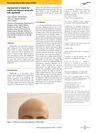
December 2021 in “Dermatology reports” This study presents a reported case where dupilumab treatment for atopic dermatitis led to improvement in alopecia universalis.