 April 2023 in “Journal of Pakistan Medical Association”
 This source reports that clinical trials found oral baricitinib significantly improved hair regrowth in patients with severe alopecia areata, with 38.8% achieving at least 80% scalp hair coverage after 36 weeks on a 4-mg dose, compared to 6.2% with placebo in trial 1.
 January 2022 in “Elsevier eBooks”
 This study found that sodium valproate nanospanlastics could be an effective and safer method for treating androgenic alopecia, with results comparable to minoxidil but fewer side effects.
 February 2020 in “International research journal of pharmacy”
 This study suggests that a topical emulsion containing Camellia sinensis and Allium cepa extracts may show promise for treating alopecia areata in Wistar rats.

This study found that metabolic syndrome is more common in individuals with androgenic alopecia compared to those without, and that free androgen index could help identify those with the syndrome.
 September 2019 in “Acta scientific microbiology”
 This study found that there is no correlation between breathing rate and premature greying of hair among university students.
 March 2019 in “Open Access Journal of Science”
 This study at Bahauddin Zakariya University aimed to explore any potential link between hair growth and blood group, but no new results are reported in this abstract.
September 2017 in “Pure and Applied Biology” In this study, chemotherapy and radiotherapy were observed to normalize blood cell counts and improve quality of life in lung cancer patients, though some variations and localized side effects occurred.
 January 1985 in “Japanese Journal of Clinical Immunology”
 This case report links bacterial endocarditis with aortic regurgitation in a patient with discoid lupus to tooth extraction and immunosuppressant therapy, noting recurrent enterococcus infections.
27 citations
,
May 2019 in “Jo'jig gonghag gwa jaesaeng uihag/Tissue engineering and regenerative medicine” This review discusses strategies and translational advancements in urethral tissue engineering, concluding that a combination of hypoxia-preconditioned mesenchymal stem cells on pre-vascularized synthetic scaffolds may be most effective; it reports no new clinical results.
 2 citations
,
April 2021 in “Cureus”
2 citations
,
April 2021 in “Cureus” This study developed two highly reliable Arabic HRQoL questionnaires for evaluating quality of life in married and unmarried women with polycystic ovary syndrome.
March 2026 in “Endocrine Metabolic & Immune Disorders - Drug Targets” This study found that in women with PCOS, a combination of finasteride and spironolactone significantly improved all health-related quality of life scales and reduced hyperandrogenism within four months, supporting its role alongside lifestyle measures.
 March 2022 in “Folia Medica Indonesiana”
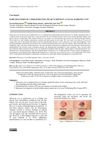
 This case report described a facial hairline tumor initially diagnosed as a sebaceous cyst but ultimately confirmed as a rare Proliferating Pilar Tumor with focal malignancies upon histopathological examination.
 2 citations
,
December 2024 in “Iraqi Journal of Laser”
2 citations
,
December 2024 in “Iraqi Journal of Laser” This study used enhanced Raman spectroscopy to successfully detect ultra-low levels of free testosterone in women with PCOS, suggesting a potential low-cost method for early diagnosis.
 April 2026 in “Human Genome Variation”
 In this study, researchers identified a recurrent MBTPS2 splice-site variant as a mutational hotspot in IFAP syndrome across diverse families, with phenotype severity suggesting the influence of additional modifiers.
20 citations
,
April 2022 in “Frontiers in Bioengineering and Biotechnology” This review highlights the potential of regenerative medicine therapies, particularly stem cells, in treating a range of chronic diseases and injuries, while also discussing advancements and limitations in their application in Malaysia compared to other Asian countries.
 February 2026 in “Frontiers in Materials”
 In this study, researchers developed iron-curcumin-coordinated nanoparticles to enhance curcumin's bioavailability and therapeutic effects, finding that these nanoparticles accelerate wound healing in diabetic mice by reducing inflammation and oxidative stress more effectively than free curcumin.
 January 2022 in “Juniper Online Journal of Case Studies”
 This case report describes the first known recovery from alopecia universalis using standard immunosuppression after lung transplantation in a patient with advanced bronchiectasis.
 July 2018 in “International journal of clinical & experimental dermatology”
 This narrative review describes the components of human hair and their nutritional importance but reports no clinical results; the authors suggest dietary sulfur amino acids are essential for hair health.
This study found that mycophenolate mofetil was well tolerated and effective as a second-line treatment for autoimmune hepatitis in patients who were intolerant to azathioprine.
137 citations
,
December 2006 in “Arthritis Research & Therapy” This study found that mycophenolate mofetil was associated with higher response rates and lower rates of serious side effects, including a lower mortality rate, compared to cyclophosphamide in lupus nephritis treatment.
 April 2023 in “Journal of Investigative Dermatology”
 This study found that the oral IRAK4-inhibitors BAY 1834845 and BAY 1830839 reduced skin inflammation and systemic inflammatory responses in healthy volunteers, showing similar pharmacodynamic effects to prednisolone when challenged with topical imiquimod and intravenous LPS.
 5 citations
,
January 2015 in “Journal of clinical & experimental dermatology research”
5 citations
,
January 2015 in “Journal of clinical & experimental dermatology research” This study found that the MorrF topical solution combination showed significantly better hair growth improvements than Minoxidil alone in male patients with Androgenetic Alopecia.
 14 citations
,
August 2006 in “Clinical and Experimental Dermatology”
14 citations
,
August 2006 in “Clinical and Experimental Dermatology” This case report describes a unique instance of plica neuropathica in a 14-year-old girl linked to chronic illness and acute infection, leading to complete hair loss.
 January 2016 in “Springer eBooks”
 This review discusses medications used in dermatology, detailing their side effects and interactions, and reports no new clinical results.
21 citations
,
January 2021 in “Frontiers in Pharmacology” This review examines the role of thiopurines in managing inflammatory bowel diseases like ulcerative colitis and Crohn's disease, and reports no new clinical results, emphasizing the need for more studies on thiopurine withdrawal scenarios.

This paper explores a treatise by Abulcasis Al-Zahrāwī, presenting English translations of historical recipes from an Arabic manuscript that provide treatments for alopecia and hair loss, highlighting their pharmacological and historical significance.
 November 2025 in “Eurasian journal of applied biotechnology”
 This study found that 15 clinical trials have been registered to investigate the use of mesenchymal stem cell-derived exosomes for treating skin and subcutaneous tissue diseases, particularly alopecia, with a growing global interest and most trials conducted in the United States and China.
January 2008 in “Zhonghua linchuang mianyi he biantai fanying zazhi” This study found that treatment with Shunyou dispersible tablet and prednisone improved clinical symptoms in patients with lupus nephritis, showing significant benefits over time along with a good safety profile.
1 citations
,
November 1991 in “PubMed” This report describes a case of polymyositis that was resistant to steroids and immunosuppressants but showed improvement with immunoadsorption therapy.
 12 citations
,
June 2016 in “Clinical and Molecular Hepatology”
12 citations
,
June 2016 in “Clinical and Molecular Hepatology” This case report describes an autoimmune hepatitis patient who achieved remission with mycophenolate mofetil and corticosteroids after intolerance to azathioprine-based therapy.