7 citations
,
February 2011 in “Journal of dermatology” This study identified a specific LIPH gene mutation (736T>A) as common in Japanese patients with autosomal recessive woolly hair/hypotrichosis, potentially indicating its role in the condition's manifestation within this population.
10 citations
,
February 2017 in “European journal of neuroscience/EJN. European journal of neuroscience” This study found that local synthesis of 17β-estradiol and 5α-dihydrotestosterone, combined with specific stimulation patterns, is crucial in determining the direction and strength of long-term synaptic effects in the hippocampal CA1 region of male rat slices.
227 citations
,
January 1998 in “Journal of biological chemistry/The Journal of biological chemistry” This study suggests that the residues Val-889 and Arg-752 in the androgen receptor steroid binding domain are crucial for the intermolecular interaction necessary for receptor dimerization and function.
 28 citations
,
January 2013 in “Stem cells”
28 citations
,
January 2013 in “Stem cells” This study found that the CD44(+) ALDH(+) population of neonatal human keratinocytes exhibited enhanced stem cell properties, including significantly increased long-term epidermal regeneration and multipotency, compared to unfractionated cells.
 24 citations
,
July 2017 in “Structure”
24 citations
,
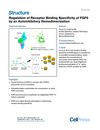
July 2017 in “Structure” In this study, researchers found that ligand homodimerization controls the receptor binding specificity of the FGF9 subfamily, preventing off-target activation of FGFR "b" isoforms.
9 citations
,
August 2021 in “Biomedicines” This study found that 17β-estradiol was the most powerful hormone for inducing APE1/Ref-1 secretion in cultured vascular endothelial cells, with secretion occurring through exosomes dependent on estrogen receptors and intracellular calcium.
30 citations
,
January 1999 in “Journal of Cutaneous Pathology” This study suggests that spiny keratoderma may be an ectopic hair formation on palms and soles, based on keratinization patterns observed using antikeratin antibodies and electron microscopy.
23 citations
,
December 1977 in “Virchows Archiv B Cell Pathology” 39 citations
,
November 2007 in “Experimental dermatology” This study found that prostaglandin receptors are widely expressed in hair follicles, suggesting a complex network of prostanoid pathways involved in hair growth control.
2 citations
,
February 2022 in “bioRxiv (Cold Spring Harbor Laboratory)” In this study, researchers found that correcting the HGPS mutation with Adenine base editing partially rescued accelerated skin cell differentiation and reduced cell death in patient-derived stem cells.
467 citations
,
May 1999 in “Molecular Cell” In this study, activation of c-MycER in adult mouse epidermis rapidly induced proliferation and disrupted keratinocyte differentiation, causing changes similar to precancerous lesions, which regressed once c-MycER was deactivated.
 July 2016 in “The journal of investigative dermatology/Journal of investigative dermatology”
 This study concluded that a new model of reconstructed human epidermis using keratinocytes from plucked hair follicles offers a less-invasive alternative to conventional skin-derived models for skin research.
 November 2022 in “The journal of investigative dermatology/Journal of investigative dermatology”
 This study found that hemoglobin α is upregulated in epidermal keratinocytes after UV exposure and may function as an antioxidant, particularly for hair follicle stem cells.
February 2024 in “Epigenomes” This review discusses recent insights into the dynamics and regulation of the epidermal differentiation complex during keratinocyte differentiation and reports no new experimental results.
 94 citations
,
February 1994 in “The journal of investigative dermatology/Journal of investigative dermatology”
94 citations
,
February 1994 in “The journal of investigative dermatology/Journal of investigative dermatology” This study concluded that epidermal growth factor may induce a 'catagen-like' phase in human hair follicles by disrupting normal cellular proliferation and migration patterns.
46 citations
,
May 2003 in “Mechanisms of Development” This study found that overexpression of the calcium sensing receptor in transgenic mice accelerates epidermal differentiation and hair growth, suggesting its role in enhancing calcium signaling and interaction with other pathways.
August 2016 in “Journal of Investigative Dermatology” In this ex vivo study, inhibiting Ezh2 with a small molecule slowed human hair growth by decreasing proliferation and increasing apoptosis in the outer root sheath.
79 citations
,
November 2010 in “Journal of Neuroscience” In this study, researchers found that simple hair clipping in mice induced dynamic plasticity and axogenesis in skin sensory axons, linked to follicular activation and HGF signaling.
8 citations
,
August 2023 in “Journal of Investigative Dermatology” This study reported that in a mouse tail wound model, the synthetic dual inhibitor corin accelerated wound closure by enhancing re-epithelialization, and further in vitro experiments demonstrated increased expression of genes promoting keratinocyte migration, suggesting its potential as a treatment for chronic wounds.
20 citations
,
January 1979 in “Journal of Experimental Zoology” In this study, epilation in female rats generally accelerated hair eruption, especially in successive cycles, with variations influenced by hormonal treatments and timing within the hair growth cycle.
 2 citations
,
August 2013 in “Journal of Investigative Dermatology”
2 citations
,
August 2013 in “Journal of Investigative Dermatology” This review discusses the dynamic changes in chromatin organization and nuclear morphology during cellular processes like differentiation and disease, highlighting recent advances in understanding these epigenetic mechanisms without presenting new experimental findings.
8 citations
,
March 2022 in “Cancers” This study found that proton minibeam radiotherapy demonstrated a potential tissue-sparing effect in epidermis models by spatially confining DNA damage, suggesting reduced side effects in radiotherapy.
21 citations
,
August 2007 in “Experimental Dermatology” This study found that mice genetically modified to overexpress the serine protease inhibitor hurpin showed reduced UV-induced apoptosis but increased susceptibility to skin cancer after chemical carcinogenesis.
 6 citations
,
January 2010 in “Neoplasma”
6 citations
,
January 2010 in “Neoplasma” In this study, researchers found that shorter CA repeats in the ERbeta gene are correlated with PSA expression, and PSA immunoexpression is associated with increased disease-free survival in breast cancer.
106 citations
,
December 2015 in “Biomacromolecules” This study describes a method to create keratin hydrogels with adjustable erosion rates by mixing different ratios of keratose and kerateine, enabling controlled release of therapeutic agents like insulin-like growth factor 1.
2 citations
,
March 2015 in “Human & Experimental Toxicology” This study found that hyperbaric oxygen treatment in rats led to structural changes in epidermis and dermis, including decreased E-cadherin expression and increased connective tissue.
8 citations
,
May 2020 in “International journal of biological macromolecules” In this study, researchers evaluated the binding of keratin-associated proteins and α-keratins to human hair fibers, finding that chemical preactivation significantly enhanced binding to natural hair, while perming altered binding characteristics and increased penetration depth.
34 citations
,
August 2018 in “Cancer research” In this study, researchers found that selectively disabling ribonucleotide excision repair in mouse epidermis caused DNA damage, skin inflammation, and led to skin cancer, suggesting a potential role for this repair mechanism in tumorigenesis.
10 citations
,
July 1980 in “British Journal of Dermatology” This study observed that applying polyamines to the skin of hairless mice stimulates thymidine incorporation, suggesting polyamines may play a role in DNA synthesis control in the epidermis.
128 citations
,
August 2020 in “Cell stem cell” In this study, researchers found that extrafollicular progenitors marked by Hic1 are the main contributors to reparative fibroblasts in wound repair, with potential to modulate healing outcomes through genetic and pharmacological interventions.