June 2013 in “NATIONS UNIVERSITY INTERNATIONAL JOURNAL OF MULTI-DISCIPLINARY STUDIES” This study found no significant relationship between hormone levels and sexual function in hirsute young women compared to a control group.
 9 citations
,
October 2012 in “Frontiers of Hormone Research”
9 citations
,
October 2012 in “Frontiers of Hormone Research” This review discusses the causes and treatments of hirsutism, emphasizing identifying potentially life-threatening pathologies, but it reports no new clinical results.
 15 citations
,
October 2011 in “Gynecological Endocrinology”
15 citations
,
October 2011 in “Gynecological Endocrinology” This study found that obesity in PCOS women with biochemical hyperandrogenemia lowers androstenedione levels and increases the testosterone to androstenedione ratio, but this was not observed in women with clinical hyperandrogenemia or in controls.
 March 1997 in “Journal of Endocrinology/Journal of endocrinology”
 Excessive hair growth in women can be treated with medications like spironolactone and finasteride, and male-pattern baldness in women can be improved with similar treatments.
October 2025 in “Journal of the Endocrine Society” In this case study, a 68-year-old woman with hyperandrogenism and presumed ovarian origin responded well to GnRH agonist therapy, normalizing testosterone levels and stabilizing blood pressure, suggesting its effectiveness as a non-surgical treatment option.
1 citations
,
August 2015 in “PubMed” This case study reports an Asian female with congenital adrenal hyperplasia presenting atypically with polymenorrhagia, who showed improvement with oral dexamethasone, despite no change in hirsutism or clitoromegaly.
 1 citations
,
January 2022 in “Journal of Biosciences and Medicines”
1 citations
,
January 2022 in “Journal of Biosciences and Medicines” This review discusses the roles of androgens and androgen receptor in skin diseases like acne and hirsutism, and highlights the promise of antiandrogen drugs, reporting no new clinical findings.
 21 citations
,
January 2017 in “European Journal of Obstetrics & Gynecology and Reproductive Biology”
21 citations
,
January 2017 in “European Journal of Obstetrics & Gynecology and Reproductive Biology” This study suggests that acne is often associated with hyperandrogenemia in women, contradicting previous recommendations that acne is not linked to androgen excess disorders.
 118 citations
,
February 2009 in “Fertility and Sterility”
118 citations
,
February 2009 in “Fertility and Sterility” This study found that approximately 75% of women with PCOS exhibited hyperandrogenemia, with free testosterone being the most frequently elevated marker.
July 2001 in “Pediatrics in review” This case describes a 14-year-old girl whose symptoms of hirsutism and virilization were attributed to an ovarian Sertoli-Leydig tumor, with improvement following surgical removal.
 24 citations
,
September 2001 in “Journal of The American Academy of Dermatology”
24 citations
,
September 2001 in “Journal of The American Academy of Dermatology” Women's ovarian hormones and adrenal androgens change throughout life, affecting hair loss and health.
14 citations
,
April 1978 in “International Journal of Dermatology” This article reviews the effects of antiandrogens on the skin and suggests their potential in treating conditions like acne and hirsutism, but reports no new clinical results.
 May 2017 in “Endocrine Abstracts”
 This study found that men with early-onset androgenetic alopecia who also met criteria for the male PCOS-equivalent may have impaired gonadal steroidogenesis, suggesting increased risk of future gonadal dysfunction.
 1 citations
,
February 2016 in “European Journal of Obstetrics & Gynecology and Reproductive Biology”
1 citations
,
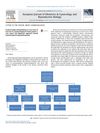
February 2016 in “European Journal of Obstetrics & Gynecology and Reproductive Biology” This case study reports that medical imaging of the ovaries may not always conclusively identify the cause of postmenopausal hyperandrogenism, as demonstrated by a patient with a rare condition.
 49 citations
,
September 1986 in “British Journal of Dermatology”
49 citations
,
September 1986 in “British Journal of Dermatology” Hidradenitis suppurativa improves with antiandrogen therapy.
 October 2024 in “Journal of the Endocrine Society”
 This report describes varied causes of hirsutism in young females and highlights the need to revise diagnoses if initial treatments for common etiologies like PCOS do not yield results.
147 citations
,
October 2004 in “Experimental dermatology” This paper reviews the role of androgens in human skin function and the challenges in developing treatments for androgen-associated disorders, reporting no new experimental results.
 April 2024 in “JCEM case reports”
 In this case study, a 44-year-old woman with an adrenal adenoma secreting both cortisol and androgens developed Cushing syndrome and significant virilization, but experienced major symptom improvement following surgical removal of the benign tumor.
 October 2024 in “Journal of the Endocrine Society”
 This clinical case study reports on a postmenopausal woman experiencing hair loss and virilization symptoms, which were ultimately attributed to rare ovarian tumors identified after a bilateral salpingo-oophorectomy, despite normal imaging results.
 January 2014 in “European Geriatric Medicine”
 A postmenopausal woman's virilization was caused by a rare ovarian tumor that was hard to detect but was successfully treated with surgery.
 July 2011 in “British Journal of Dermatology”
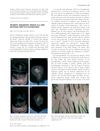
 Hormone treatment caused hair loss, finasteride helped regrowth.
May 2023 in “Problems of Endocrinology” This study observed that "physiological" hyperandrogenism due to elevated total testosterone was associated with a 23.5% incidence of arterial hypertension, unlike hyperandrogenism due to elevated DHT levels.

In this case report, a 10-year-old girl with an adrenal adenoma experienced symptoms like hirsutism and clitoromegaly; after surgical removal of the tumor, her symptoms and biochemical abnormalities resolved over several months.
 17 citations
,
February 2003 in “Australasian Journal of Dermatology”
17 citations
,
February 2003 in “Australasian Journal of Dermatology” This review discusses ovarian hyperthecosis as a rare cause of androgenetic alopecia in postmenopausal women and reports no new results; the authors highlight the need to explore its relationship to alopecia further.
January 2023 in “WikiJournal of Medicine” This review discusses alternative androgen pathways, including the "backdoor" pathway and pathways to 11-oxygenated steroids, and reports no new clinical results; the authors aim to clarify these concepts for better patient treatment.
June 2015 in “Obstetrics, gynaecology and reproductive medicine” This article reviews the causes, physiology, and treatment strategies for hirsutism in women, highlighting that effective management often requires addressing underlying conditions and may involve lifestyle changes and pharmacological interventions.
 19 citations
,
March 2012 in “Clinical Endocrinology”
19 citations
,
March 2012 in “Clinical Endocrinology” This study established a normative free androgen index range of 0.7-6.4 and identified a cut-off value of 6.1 for reproductive-age women in southern China, highlighting hyperandrogenic women's increased metabolic disorder risks.
7 citations
,
January 2013 in “Hormone Research in Paediatrics” This case report describes an adult female with congenital adrenal hyperplasia who developed secondary amenorrhea and hair loss due to androgen overproduction from ovarian adrenal rests, detectable only after pelvic venous sampling, and normalizing after unilateral oophorectomy.
 123 citations
,
May 2020 in “Drug Development Research”
123 citations
,
May 2020 in “Drug Development Research” This article argues that androgen sensitivity could be a key factor in the severity of COVID-19, suggesting that trials with anti-androgen agents may be warranted.
 1 citations
,
April 2022 in “AACE clinical case reports”
1 citations
,
April 2022 in “AACE clinical case reports” This case report describes a 36-year-old Pakistani phenotypic female diagnosed with 46,XY 5-alpha-reductase deficiency, highlighting that such disorders of sexual development can manifest with symptoms like obesity, hirsutism, and amenorrhea later in life due to unique circumstances.