 2 citations
,
October 2015 in “The New England Journal of Medicine”
2 citations
,
October 2015 in “The New England Journal of Medicine” This case report describes a 57-year-old woman with hirsutism, hair loss, and vocal changes, who was found to have elevated testosterone levels but normal dehydroepiandrosterone sulfate levels.
October 2025 in “Journal of the Endocrine Society” In this case study, a 68-year-old woman with hyperandrogenism and presumed ovarian origin responded well to GnRH agonist therapy, normalizing testosterone levels and stabilizing blood pressure, suggesting its effectiveness as a non-surgical treatment option.
 20 citations
,
October 2017 in “Clinical Endocrinology”
20 citations
,
October 2017 in “Clinical Endocrinology” This article reviews existing knowledge on postmenopausal hyperandrogenism and highlights diagnostic challenges, reporting no new clinical results.
 33 citations
,
January 2013 in “Dermatology”
33 citations
,
January 2013 in “Dermatology” This study found that among women above 15 years with acne, 54.56% exhibited hyperandrogenism, with dehydroepiandrosterone sulfate levels most frequently elevated.
 15 citations
,
October 2011 in “Gynecological Endocrinology”
15 citations
,
October 2011 in “Gynecological Endocrinology” This study found that obesity in PCOS women with biochemical hyperandrogenemia lowers androstenedione levels and increases the testosterone to androstenedione ratio, but this was not observed in women with clinical hyperandrogenemia or in controls.
 28 citations
,
April 2014 in “Hormones”
28 citations
,
April 2014 in “Hormones” This study found that increased serum A4A levels were associated with more severe polycystic ovary syndrome phenotypes and could be a useful marker for biochemical hyperandrogenemia.
 56 citations
,
October 2018 in “Journal of The American Academy of Dermatology”
56 citations
,
October 2018 in “Journal of The American Academy of Dermatology” This review discusses the role of androgens in women's skin-related conditions like acne, hirsutism, and female pattern hair loss, noting the lack of dermatology guidelines for when to pursue endocrinologic evaluation.
 May 2023 in “The journal of sexual medicine”
 In this study, bilateral oophorectomy was reported as an effective treatment for normalizing androgen levels and resolving hypersexuality and related symptoms in a post-menopausal woman with ovarian hyperthecosis, suggesting its importance in addressing excess androgen production in such cases.
May 2025 in “Journal of the ASEAN Federation of Endocrine Societies” This case report highlights the need to assess postmenopausal women with hirsutism for hyperandrogenism causes, as exemplified by a Leydig cell tumor coinciding with primary hyperparathyroidism.
 9 citations
,
October 2012 in “Frontiers of Hormone Research”
9 citations
,
October 2012 in “Frontiers of Hormone Research” This review discusses the causes and treatments of hirsutism, emphasizing identifying potentially life-threatening pathologies, but it reports no new clinical results.
5 citations
,
April 2014 in “International Journal of Pediatric Endocrinology” This study concluded that prepubertal girls with hypertrichosis have androgen receptors with enhanced sensitivity, which may contribute to their increased body hair growth.
 947 citations
,
February 2004 in “The Journal of Clinical Endocrinology and Metabolism”
947 citations
,
February 2004 in “The Journal of Clinical Endocrinology and Metabolism” In this study, polycystic ovary syndrome was the most prevalent cause of androgen excess, and suppressive hormonal therapy improved hirsutism, menstrual dysfunction, and acne in most patients, though side effects were common.
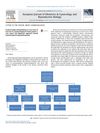 1 citations
,
February 2016 in “European Journal of Obstetrics & Gynecology and Reproductive Biology”
1 citations
,
February 2016 in “European Journal of Obstetrics & Gynecology and Reproductive Biology” This case study reports that medical imaging of the ovaries may not always conclusively identify the cause of postmenopausal hyperandrogenism, as demonstrated by a patient with a rare condition.
 May 2026 in “Research Square”
 In this study of women aged 18-45 from an endocrine referral group, researchers found that while clinical hirsutism severity is independently associated with biochemical hyperandrogenism, the relationship is modest and suggests different biological aspects are at play.
78 citations
,
March 1989 in “The Journal of Clinical Endocrinology & Metabolism” High-dose androgen therapy can help manage certain types of androgen resistance.
March 2016 in “Journal of the Turkish-German Gynecological Association” The woman likely has a hormonal imbalance causing excessive hair growth.
December 1981 in “Pediatric Research” 4 citations
,
May 2019 in “Reproductive Endocrinology” This article reviews the causes and diagnosis of hyperandrogenism, highlighting its impact on female fertility and the metabolic risks associated with PCOS, but it provides no new clinical results.
 October 2023 in “Journal of the Endocrine Society”
 This case report describes a unique instance where elevated prolactin levels from a pituitary adenoma were associated with hirsutism due to increased dihydrotestosterone, with treatment leading to normalization.
 60 citations
,
September 2001 in “Journal of the American Academy of Dermatology”
60 citations
,
September 2001 in “Journal of the American Academy of Dermatology” This review discusses the relationship between insulin regulation and hyperandrogenemia in polycystic ovary syndrome, suggesting potential benefits of insulin-lowering treatments for ovarian function but reporting no definitive results for hair-related symptoms.
 10 citations
,
January 2004 in “KARGER eBooks”
10 citations
,
January 2004 in “KARGER eBooks” This article reviews the differential diagnosis of mild hyperandrogenism in adolescent girls, discussing potential causes such as PCOS and nonclassic adrenal hyperplasia, but presents no new data.
83 citations
,
September 1993 in “Endocrinology and Metabolism Clinics of North America”  January 2026 in “Frontiers in Oncology”
 This case report highlights that in postmenopausal women with severe hyperandrogenism, thorough adrenal and pelvic evaluations, hormonal profiling, and permanent pathology are essential for accurate diagnosis and management of androgen-secreting tumors, such as AGCTs, to prevent misdiagnosis and ensure effective treatment.
 November 2022 in “Journal of the Endocrine Society”
 This case report describes a 23-year-old woman with an adult granulosa cell tumor of the ovary, whose symptoms and hormone levels improved significantly after surgical removal of the tumor.
 April 2020 in “Journal of the Endocrine Society”
 This case report details a post-menopausal woman with hirsutism and virilization due to rare Leydig cell tumors in both ovaries, underscoring the challenge of detecting such tumors with standard imaging.
 5 citations
,
July 1998 in “PubMed”
5 citations
,
July 1998 in “PubMed” This article reviews androgenic disorders in women, such as PCOS, highlighting how understanding these conditions could improve their management, but it presents no new clinical findings.
 April 2024 in “JCEM case reports”
 In this case study, a 44-year-old woman with an adrenal adenoma secreting both cortisol and androgens developed Cushing syndrome and significant virilization, but experienced major symptom improvement following surgical removal of the benign tumor.
10 citations
,
October 2012 in “Andrology” In this case study, researchers observed that steroidogenesis from adrenal androgens in prostate cancer tissues may explain progression in a 74-year-old man with low circulating testosterone.
 67 citations
,
September 2008 in “Dermatologic therapy”
67 citations
,
September 2008 in “Dermatologic therapy” This paper reviews causes of hirsutism in women and emphasizes the importance of identifying underlying conditions for risk assessment, though it reports no new clinical findings.
 March 2025 in “Journal of Pediatric Endocrinology and Metabolism”
 This study found that total testosterone, DHEA-S, and free androgen index may help distinguish menstrual irregularities from increased risk of polycystic ovary syndrome in adolescents.