January 2016 in “Methods in molecular biology” This study identified a population of GFP-expressing nestin-positive cells in transgenic mice hair follicles that varied in location during different hair cycle phases, suggesting a shared relationship with neural stem cells.
September 2025 in “OPAL (Open@LaTrobe) (La Trobe University)” This study observed that treating hair follicles with BM15766 and 7DHC led to structural damage, disrupted cellular organization, reduced expression of key genes and proteins, and increased apoptosis, in contrast to controls, indicating detrimental effects on hair follicle integrity.
 August 2018 in “Journal of Investigative Dermatology”
 This study found that combining optical clearing methods with light-sheet fluorescence microscopy allows detailed 3D visualization of normal and pathological human skin biopsies, revealing differences in epidermal thickness and volume.
 February 1999 in “Analytical Sciences”
 A new antiandrogen compound was made and its detailed three-dimensional shape was described.

In this report, two pediatric cases of solitary basaloid follicular hamartoma, a rare benign skin malformation often misdiagnosed, were documented using dermoscopy, highlighting its clinical diversity and the need for accurate diagnosis.
December 2012 in “Shodhganga”  January 2019 in “Applied Organometallic Chemistry”
 The compound (NH4)2Mn0.17Cu0.83Cl4.2H₂O has a specific structure, shows weak magnetism at low temperatures, and undergoes phase changes at high temperatures.
4 citations
,
January 2016 in “Advances in experimental medicine and biology” This study established that cryopreservation methods can maintain the pluripotency and hair growth potential of hair follicle-associated pluripotent stem cells, enabling potential applications in regenerative medicine and hair transplantation.
 November 2022 in “Journal of Investigative Dermatology”
 This study found that stimulating the olfactory receptor OR2A4/7 with cyclohexyl salicylate promoted human hair growth and increased progeny of hair follicle epithelial stem cells in an ex vivo setting.
2 citations
,
September 1992 in “Steroids” The researchers reported that compounds 11 to 13 derived from Westphalen-type steroids showed strong antiandrogenic activity in vivo, though their effects could not be attributed to 5α-reductase inhibition or androgen receptor binding.
 40 citations
,
March 2017 in “The journal of investigative dermatology/Journal of investigative dermatology”
40 citations
,
March 2017 in “The journal of investigative dermatology/Journal of investigative dermatology” This study visualized mitochondrial metabolism in cultured bovine hair follicles and plucked human hairs, finding that ROS and mitochondrial polarization correlate in specific hair follicle regions, particularly near keratin deposition sites.
25 citations
,
January 2015 in “World journal of stem cells” This review discusses the potential of hair follicle stem cells as a novel source for cell therapy in neurodegenerative disorders, but it reports no new clinical results.
3 citations
,
September 2024 This study developed 3DEEP, a tissue clearing and spatial transcriptomic method, to map hair follicle development in a single time point from a 12-hour-old mouse, detailing molecular stages, signaling dynamics, and structural changes within developing follicles.
 21 citations
,
September 2011 in “Journal of Pharmaceutical Sciences”
21 citations
,
September 2011 in “Journal of Pharmaceutical Sciences” This study found that the desolvation of finasteride hydrate solvates is highly dependent on the physical environment, complicating investigations but providing insight through complementary analysis techniques.
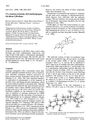 December 1998 in “Acta Crystallographica Section C-crystal Structure Communications”
 This study describes the molecular conformation and intermolecular interactions in the crystalline structure of the compound C24H31BrO4.

This study suggests that holes found in mature hair fibers may be linked to daily hair care actions and the removal of extractable substances.
July 2024 in “Journal of Investigative Dermatology” Human hair follicles have their own thyroid hormone system.
 68 citations
,
December 2011 in “Journal of Investigative Dermatology”
68 citations
,
December 2011 in “Journal of Investigative Dermatology” This study reported that a three-dimensional hydrogel culture system supports the growth and maintenance of distinct dermal papilla cell types, crucial for skin reconstitution assays in neonatal mice.
 4 citations
,
February 2019 in “Journal of Cutaneous Pathology”
4 citations
,
February 2019 in “Journal of Cutaneous Pathology” This study suggests that the epigenetic marker 5-hmC may dynamically influence hair follicle bulge activation during anagen growth in mice, warranting further investigation into its role in stem cell regulation.
 July 2022 in “The journal of investigative dermatology/Journal of investigative dermatology”
 In this study, researchers created a comprehensive transcriptome map of human hair follicle compartments, identifying compartment-specific genes and providing a resource for potential therapeutic interventions.
4 citations
,
March 2022 in “BioEssays” This paper reviews how studying the microbiome of the freshwater polyp Hydra can inform new, microbiome-targeting therapies for human hair follicle and skin diseases; it presents no new experimental findings.
 239 citations
,
December 2013 in “Scientific Reports”
239 citations
,
December 2013 in “Scientific Reports” In this study, researchers developed a microfluidics-based method for creating uniform, size-controlled stem cell spheroids that enhance osteogenic differentiation when encapsulated in alginate-RGD microgels.
5 citations
,
November 2023 in “Journal of Advanced Research” In this study, researchers reported promising initial results in developing future cosmetic technologies that could transform hair styling by altering hair from within, offering alternatives to current methods.
8 citations
,
June 2001 in “Journal of Biological Chemistry” This study found that the truncated hHb1-DeltaN transcript in breast cancer cells is produced by a cryptic intron promoter and responds to DNA demethylation, potentially altering cancer cell adhesion.
In this study, researchers synthesized the fictional compound 1-hydroxyindole and discovered its potential medical applications, including anti-aging properties, itch relief for atopic dermatitis, and as a stronger treatment for dementia compared to cilostazol. Additionally, they found that 1-methoxyindole derivatives function as anticancer agents in diets.
1 citations
,
August 2015 in “PubMed” This study discovered previously unknown structures in human hair shafts that may stabilize hair structurally and physicochemically.
 26 citations
,
January 2019 in “Experimental Dermatology”
26 citations
,
January 2019 in “Experimental Dermatology” This study developed an in vitro system to analyze human skin progenitor cells' ability to form hair peg-like structures, providing insights for engineering hair follicle organoids.
 June 2026 in “Zenodo (CERN European Organization for Nuclear Research)”
 In this study, researchers developed a polyherbal hair oil formulation that demonstrated favorable physicochemical properties and benefits such as anti-dandruff, anti-hair fall, and hair growth-promoting effects, with formulation F2 identified as the optimal blend for herbal hair care.
7 citations
,
January 2017 in “Sub-cellular biochemistry/Subcellular biochemistry” October 2025 in “Indian Journal of Paediatric Dermatology” This report describes a case of halo scalp ring, a pattern of transient alopecia in infants, which resolved without treatment over 17 months.