1 citations
,
October 2025 in “International Journal of Molecular Sciences” This study found that zebrafish with a mutation in the GDP-fucose biosynthesis gene exhibited enhanced and faster regeneration of mechanosensory hair cells, implicating the importance of this gene and Notch signalling regulation in hair cell regeneration mechanisms.
65 citations
,
September 2023 in “Cell Reports Medicine” This review examined the common side effects of FGFR inhibitors like erdafitinib, pemigatinib, and futibatinib, and detailed strategies for managing them, highlighting that proactive monitoring and appropriate interventions can effectively mitigate these toxicities.
20 citations
,
December 2019 in “International Journal of Molecular Sciences” This study found that preconditioning adipose-derived stem cells with HB-EGF enhanced their ability to promote hair growth in vivo by increasing their motility, paracrine effects, and survival.
 December 2025 in “Plastic & Reconstructive Surgery”
 This study found that the Bioengineered Exosomal Hair Growth Factors Complex (BEHC™) enhanced human follicle dermal papilla cell proliferation and reduced inflammatory markers in vitro, while significantly decreasing hair shedding and increasing hair density among participants with androgenetic alopecia in an open-label clinical study.
 7 citations
,
February 2025 in “Stem Cell Research & Therapy”
7 citations
,
February 2025 in “Stem Cell Research & Therapy” In a study using a mouse model, HF-MSCs were reported to enhance ovarian function in cyclophosphamide-induced premature ovarian failure more effectively than HU-MSCs, potentially by preventing ferroptosis in granulosa cells via the KEAP1/NRF2/HO-1 pathway.
3 citations
,
December 2024 in “Journal of Animal Physiology and Animal Nutrition” In this study, researchers found that reducing FGF20 expression in dermal papilla cells of fine-wool sheep impedes the growth and differentiation of hair follicle stem cells, providing insights into wool trait improvement and regenerative medicine applications.
39 citations
,
July 1993 in “The journal of investigative dermatology/Journal of investigative dermatology” This study found that daily injections of basic and acidic fibroblast growth factor in newborn mice significantly delayed hair follicle development within the treatment area, while epidermal growth factor affected the entire body coat and caused skin hyperkeratinization.
This study found that fibroblast growth factor 20 (Fgf20) orchestrates the movement and behavior of dermal fibroblasts, directing their formation into dermal condensates during hair follicle development in mice.
 15 citations
,
May 2003 in “The Laryngoscope”
15 citations
,
May 2003 in “The Laryngoscope” In this study, researchers observed that spiral ganglion neurites created more branched networks near FGF-1-coupled beads compared to control beads, highlighting FGF-1's role in hair cell innervation development.
60 citations
,
July 2014 in “Autophagy” This study found that autophagy is impaired in Birt-Hogg-Dubé syndrome-associated renal tumors and identified that the FLCN protein interacts with key autophagy components regulated by ULK1.
8 citations
,
January 2019 in “The journal of investigative dermatology/Journal of investigative dermatology” This review discusses how neuroendocrine regulation affects human hair follicles and suggests potential therapeutic targets, but it reports no new clinical results.
 May 2022 in “Journal of Immunology”
 In this study, a TGF-β mimic molecule from Heligmosomoides polygyrus was observed to enhance wound healing in mice, with improved tissue regeneration and specific immune cell recruitment without increased scarring.
 53 citations
,
May 2010 in “Dermatologic Surgery”
53 citations
,
May 2010 in “Dermatologic Surgery” This article appears to be a table of contents or navigation page for a journal, not presenting any new findings or research results.
475 citations
,
October 2006 in “Proceedings of the National Academy of Sciences” This study suggests that folliculin, mutated in Birt–Hogg–Dubé syndrome, and its partner FNIP1 may play a role in energy and nutrient sensing through the AMPK and mTOR pathways.
 January 2021 in “Hair transplant forum international”
 This article describes a new T-Fast multi-implanter that potentially reduces operating costs and surgical time by implanting two follicular unit excision grafts simultaneously, which may encourage clinics to adopt this technique.
 February 2011 in “Journal of the American Academy of Dermatology”
 This study found that polycystic ovary syndrome was the most common cause of hirsutism among premenopausal women in Algeria.
 16 citations
,
November 2011 in “PubMed”
16 citations
,
November 2011 in “PubMed” This study found that a single intradermal injection of Hair Stimulating Complex significantly improved hair growth in men with androgenetic alopecia compared to placebo.
3 citations
,
January 2018 in “International Journal of Trichology” The authors concluded that their new grading system can effectively classify early female pattern hair loss and evaluate treatment progress.
45 citations
,
May 2022 in “Biomedicines” This review discusses using human follicular fluid in metabolomic analysis as a diagnostic tool and predictor of success in assisted reproductive technology for PCOS patients, reporting no new results.
56 citations
,
February 2013 in “International Journal of Molecular Medicine” This study found that human hair follicle-derived mesenchymal stem cells maintained their proliferation and differentiation potential when cultured with acidic fibroblast growth factor, basic fibroblast growth factor, or epidermal growth factor.
 4 citations
,
April 2018 in “Biotechnology Letters”
4 citations
,
April 2018 in “Biotechnology Letters” Human growth factor 20 can boost mouse whisker growth.
July 2022 in “British Journal of Dermatology” This study found that epidermal growth factor receptor inhibitors used in cancer treatment induce a distinct inflammatory response in hair follicles, marked by immune privilege collapse and upregulation of inflammatory pathways.
 1 citations
,
February 2023 in “Frontiers in Endocrinology”
1 citations
,
February 2023 in “Frontiers in Endocrinology” This study demonstrates that combining gene expression data with a random forest algorithm provides highly accurate diagnosis of childhood growth hormone deficiency, showing potential utility in distinguishing it from non-GHD short stature.
23 citations
,
March 2019 in “Gene” In this study, researchers found that the evolutionary and structural features of the oFGF5 gene in sheep may influence hair follicle development and hair growth regulation.
1 citations
,
January 2019 in “Journal of Biomedical Science and Engineering” This study reports that monthly subcutaneous injections of concentrated growth factors improved hair appearance and density in patients with androgenetic alopecia, with no side effects observed in the follow-up period.
 5 citations
,
June 2012 in “Journal of Cosmetic and Laser Therapy”
5 citations
,
June 2012 in “Journal of Cosmetic and Laser Therapy” This study found that combining topical finasteride with IPL + RF hair removal significantly reduced unwanted facial hair in women after six months compared to placebo.
 April 2023 in “The journal of investigative dermatology/Journal of investigative dermatology”
 This study revealed distinct cellular and transcriptomic differences among various subtypes of cutaneous T-cell lymphoma, particularly highlighting characteristics unique to folliculotropic mycosis fungoides.
November 2025 in “The Journal of Immunology” This study found that CD80 expression in wound-activated hair follicle stem cells induces Foxp3 expression in effector T cells, facilitating wound repair by converting them into regulatory T cells.
March 2021 in “Faculty Opinions – Post-Publication Peer Review of the Biomedical Literature” This study found that human dWAT regulates hair growth and pigmentation through HGF secretion, highlighting potential novel targets for treating hair growth and pigmentation disorders.
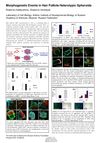
This study found that hyaluronic acid increased the size of hair follicle germ-like aggregates and the number of proliferative cells but did not maintain specific markers during the process.