January 2025 in “Stem Cells International” This study found that exosomes from human umbilical cord mesenchymal stem cells reduced oxidative stress and inflammation in UVB-induced skin injury in cell and mouse models, suggesting their potential for treating UV-damaged skin by influencing Nrf2 and NF-κB pathways.
 November 2024 in “Journal of Cosmetic Dermatology”
 In this case series, mesenchymal stem cell exosomes were reported to improve hair length, density, pigmentation, and cuticle layer recovery in three patients with acquired trichorrhexis nodosa, suggesting potential as a therapeutic approach for this hair condition.

This randomized control trial reported that mesenchymal stem cell-derived exosomes significantly increased hair density and thickness in patients with androgenic alopecia, with a mean increase of 35 hairs/cm² over 12 weeks compared to the placebo group, which showed minimal hair density changes.
 July 2024 in “Journal of Cosmetic Dermatology”
 This case study suggests that rose stem cell-derived exosomes, administered via noninvasive electroporation, may promote hair regeneration in androgenetic alopecia; larger studies are needed to confirm these findings.

In this study, human umbilical cord mesenchymal stem cell-derived exosomes were found to promote the growth of human hair dermal papilla cells, partly by enhancing AKT-dependent signaling pathways, suggesting a potential role in treating hair loss.
 November 2023 in “The journal of investigative dermatology/Journal of investigative dermatology”
 This study reported that adipose stem cell exosomes, combined with microneedling, improved facial skin wrinkles, elasticity, hydration, and pigmentation compared to a placebo, with significant results on the Global Aesthetic Improvement Scale and no serious adverse events noted in treated individuals.
 September 2023 in “Stem Cells International”
 This study using human and animal models found that adipose-derived stem cell exosomes promoted hair growth and counteracted dihydrotestosterone's inhibitory effects, suggesting potential therapeutic applications for androgenetic alopecia.

This study showed that exosomes from hyaluronic acid-primed induced mesenchymal stem cells promote hair growth by enhancing proliferation and migration of hair follicle dermal papilla cells and modulating key growth factors and signaling pathways, potentially counteracting the effects of DHT-induced hair loss.
 May 2022 in “Голова и шея.”
 This article highlights exosome-based targeted drug delivery using DARPin G3 proteins as a promising approach for treating aggressive HER2-positive breast cancer but reports no new clinical results.
April 2022 in “DOAJ (DOAJ: Directory of Open Access Journals)” This study found that adipose-derived stem cell exosomes increased dermal papilla cell proliferation and elevated proteins linked to hair follicle inducibility in vitro.
 April 2023 in “Journal of Investigative Dermatology”
 This study found that exosomes from hyaluronic acid-primed mesenchymal stem cells may promote hair growth in androgenetic alopecia by improving hair follicle cell function and restoring key signaling pathways disrupted by DHT.
March 2023 in “International Journal of Molecular Sciences” This study found that exosomes from adipose mesenchymal stromal cells, particularly those carrying miR-122-5p, may enhance hair follicle regeneration in androgenic alopecia by targeting the TGF-β/SMAD3 axis.
21 citations
,
May 2024 in “World Journal of Stem Cells” This study found that hydrogels loaded with exosomes from bone marrow mesenchymal stem cells helped bone fracture healing by reducing inflammation, promoting blood vessel formation, and supporting bone regeneration, as confirmed in a mouse model.
3 citations
,
October 2021 in “Neuroscience Letters” This study demonstrated the first successful isolation of inner ear exosomes from perilymph using a novel immunomagnetic technique, providing a potential diagnostic method for sensorineural hearing loss.
 August 2026 in “Mendeley Data”
 In this study, researchers explored how hair follicle neural crest stem cell-derived exosomes, particularly those carrying miR-214-3p, promote neurite outgrowth and aid peripheral nerve regeneration, supported by detailed in vitro and in vivo data on nerve repair and functional recovery in rat models.
 August 2026 in “Aesthetic Plastic Surgery”
 In this study, hair follicle stem cell-derived exosomes enriched with miR-181a-5p accelerated hair regrowth and the transition from telogen to anagen in mice, with up to 90% hair coverage observed, suggesting enhanced activation of the Wnt/β-catenin pathway compared to controls.
 August 2026 in “International Journal of Nanomedicine”
 This review highlights the potential of exosome-based therapies for androgenetic alopecia by modulating key signaling pathways in hair follicles, suggesting a promising treatment option that requires further research to validate long-term safety and efficacy.
 June 2026 in “Brazilian Journal of Hair Health”
 In this case report, combining iontophoresis with exosomes was associated with increased hair density, improved hair quality, and reduced scalp inflammation in patients with female androgenetic alopecia.
April 2026 in “Journal of Cosmetic Dermatology” This review highlights the potential of combining microneedling with exosome therapy in treating various dermatological conditions, but emphasizes the need for more evidence regarding its safety and effectiveness.
 January 2026 in “Mendeley Data”
 This dataset supports a study suggesting that hair follicle neural crest stem cell-derived exosomes carrying miR-214-3p may promote neurite outgrowth and aid peripheral nerve regeneration in vitro and in vivo.
January 2026 in “DOAJ (DOAJ: Directory of Open Access Journals)” In this study, Exosome Hypoxia Mesenchymal Stem Cells significantly reduced inflammation and promoted hair follicle regeneration by normalizing IL-1Beta and IGF-1 levels in fluconazole-induced alopecia-like Wistar rats.
December 2025 in “World Journal of Stem Cells” This study identified 232 stable proteins in exosomes from human adipose-derived mesenchymal stem cells and suggested a signaling axis that might support future androgenetic alopecia treatments.
In this study, hair follicle neural crest stem cell-derived exosomes, especially those overexpressing miR-214-3p, significantly promoted axon extension and nerve regeneration in both in vitro and in vivo models, suggesting a promising therapeutic strategy for peripheral nerve injuries.
January 2025 in “Advances in experimental medicine and biology” April 2021 in “bioRxiv (Cold Spring Harbor Laboratory)” This study successfully isolated inner ear-specific exosomes from perilymph samples of sensorineural hearing loss patients using a novel immunomagnetic approach, enabling groundbreaking liquid biopsy diagnostics.
 1 citations
,
October 2025 in “Nano Research”
1 citations
,
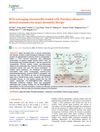
October 2025 in “Nano Research” In this study, researchers developed a dissolvable microneedle patch combining HA-TEMPO and Portulaca oleracea L.-derived nanoparticles, which effectively reduced oxidative stress and inflammation in an atopic dermatitis model while restoring immune balance, suggesting a promising treatment strategy.
63 citations
,
January 2021 in “Adipocyte” This review discusses the physiological and pathological roles of adipose tissue-derived exosomes and highlights areas for future research, without presenting new experimental findings.
June 2026 in “Dermatologic Surgery” August 2026 in “Current Stem Cell Research & Therapy” This study found that extracellular vesicles from mesenchymal and outer root sheath stem cells may inhibit hair follicle stem cell apoptosis, suggesting potential therapeutic benefits for hair loss treatments.
May 2026 in “Malaysian Journal of Medicine and Health Sciences” This study found that in a testosterone-induced androgenetic alopecia mouse model, the combination of PRP-derived small extracellular vesicles and 5% minoxidil significantly improved hair follicle density and the anagen-to-telogen ratio compared to minoxidil alone, suggesting a synergistic effect that enhances hair growth.