12 citations
,
July 2004 in “Molecular genetics and genomics” This study identifies a new mutation in the Scd1 gene in a strain of Kunming mice, causing skin and hair defects with the mildest impact among similar mutations.
 29 citations
,
June 2017 in “Journal of Inherited Metabolic Disease”
29 citations
,
June 2017 in “Journal of Inherited Metabolic Disease” This review discusses the potential of using high-throughput and high-content screening methods for drug repositioning in rare diseases and reports no new results.
 June 2022 in “Indian journal of clinical and experimental opthalmology”
 This case report details the ocular complications of Hutchinson-Gilford Progeria syndrome in a 20-year-old Bangladeshi patient, highlighting symptoms like dry eyes, Meibomian gland dysfunction, and cataracts.
97 citations
,
December 2017 in “Frontiers in Cell and Developmental Biology” This review discusses the potential of mesenchymal stem cells from human periapical cysts for regenerative medicine, highlighting their easy accessibility and valuable regenerative properties, but reports no new clinical findings.
October 2025 in “Journal of Investigative Dermatology” Hair follicle dermal stem cells help control hair growth timing by regulating signals at the hair germ–dermal papilla interface.
 11 citations
,
June 2012 in “Journal of Dermatological Science”
11 citations
,
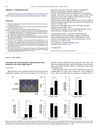
June 2012 in “Journal of Dermatological Science” This article reviews how aging affects skin and stem cells, but it contains no new research findings.
 6 citations
,
May 2021 in “Stem Cell Reviews and Reports”
6 citations
,
May 2021 in “Stem Cell Reviews and Reports” This study identified and characterized progenitor cells from equine feet that may play a role in the pathogenesis and recovery of laminitis, suggesting potential therapeutic targets for treatment.
81 citations
,
March 2006 in “Journal of Investigative Dermatology” Mutations in the DSG4 gene cause specific hair and scalp issues.
 April 2020 in “Journal of the Endocrine Society”
 This case report emphasizes the importance of recognizing non-classic congenital adrenal hyperplasia as a cause of hyperandrogenism and the need for genetic counseling given potential familial implications.
 28 citations
,
August 2003 in “Steroids”
28 citations
,
August 2003 in “Steroids” This study found that untreated hirsute patients have lower expression of type 2 17β-HSD mRNA in scalp hairs, indicating potential disturbances in androgen metabolism, compared to treated hirsute patients.
 28 citations
,
October 2013 in “Journal of The American Academy of Dermatology”
28 citations
,
October 2013 in “Journal of The American Academy of Dermatology” In this study, ovarian SAHA was found to be independently associated with a more insulin-resistant profile and increased risk of glucose abnormalities in women with PCOS, beyond common risk factors.
 2 citations
,
May 2017 in “International journal of pharmacy and pharmaceutical sciences/International Journal of Pharmacy and Pharmaceutical Sciences”
2 citations
,
May 2017 in “International journal of pharmacy and pharmaceutical sciences/International Journal of Pharmacy and Pharmaceutical Sciences” This review discusses genetic mutations associated with Hutchinson-Gilford progeria syndrome and reports no clinical results; the authors emphasize the importance of cardiovascular monitoring in management.
 March 2026 in “Medeniyet Medical Journal”
 This study found that hypoxia-conditioned mesenchymal stem cell exosomes increased GM-CSF and decreased IL-1 expression in a dose-dependent manner in a murine model, suggesting potential for treating androgenetic alopecia.
51 citations
,
February 2004 in “Journal of Investigative Dermatology” MCSP may help identify and regulate skin stem cells, affecting hair growth and regeneration.
 7 citations
,
May 2010 in “Journal of Cutaneous Pathology”
7 citations
,
May 2010 in “Journal of Cutaneous Pathology” This study identified a novel locus for hereditary hypotrichosis simplex on chromosome 13q12.12~12.3 in a four-generation Chinese family.
29 citations
,
January 1996 in “The Journal of Clinical Endocrinology & Metabolism” This study identified a compound heterozygous mutation in the 3 beta-HSD gene that confirmed inherited 3 beta-HSD deficiency in a Pakistani child with salt-wasting congenital adrenal hyperplasia.
August 2026 in “Frontiers in Pharmacology” This study found that dihydromyricetin may reduce fibrosis features in hypertrophic scars by affecting PI3K/AKT/mTOR signaling, but further research is needed to confirm causality.
13 citations
,
September 2022 in “Biomolecules” This study found that specific gene upregulations and mutations in hidradenitis suppurativa skin support the role of inflammation, altered epithelial differentiation, and metabolism dysregulation in the disease's pathogenesis.
 78 citations
,
October 2020 in “Experimental Dermatology”
78 citations
,
October 2020 in “Experimental Dermatology” This review summarizes 15 years of clinical and experimental research advancements in hidradenitis suppurativa, highlighting its recognition as a uniquely healable inflammatory skin disease but reports no new clinical results.
8 citations
,
May 1991 in “PubMed” This case study from Boston University details a 35-year-old woman diagnosed with congenital adrenal hyperplasia, treated with dexamethasone, leading to normalized androgen levels and successful conception.
 September 2011 in “Clinical Biochemistry”
 The demineralized bone matrix scaffold is better for cell attachment than the mineralized bone allograft.
70 citations
,
February 2009 in “Biological Trace Element Research” 48 citations
,
June 2000 in “Japanese Journal of Cancer Research” This study found that dimethylarsinic acid significantly accelerates skin tumor development in hair follicle-targeted K6/ODC transgenic mice.
135 citations
,
October 2010 in “Stem Cells” This study found that stem cells from mouse hair follicles successfully reconstructed the ocular surface in most limbal stem cell deficiency mice, demonstrating potential for treating the condition in a mouse model.
11 citations
,
December 2024 in “Stem Cell Research & Therapy” In this study, hUCMSCs-Exo significantly accelerated wound healing in rat perianal fistulas with notable safety, potentially through the activation of the HIF-1α/TGF-β/Smad signaling pathway.
20 citations
,
December 2019 in “International Journal of Molecular Sciences” This study found that preconditioning adipose-derived stem cells with HB-EGF enhanced their ability to promote hair growth in vivo by increasing their motility, paracrine effects, and survival.
 9 citations
,
January 2018 in “Stem Cells International”
9 citations
,
January 2018 in “Stem Cells International” The researchers reported that conditioned media from deer antler mesenchymal stem cells may enhance hair and skin regeneration by modulating cellular responses through secretory vesicles.
January 2018 in “VCU Scholars Compass (Virginia Commonwealth University)” In this study using Xenopus laevis embryos, reduced levels of the desmosomal protein desmoplakin led to defects in epidermal and cardiac structures, suggesting its crucial role in tissue integrity.
September 2016 in “Toxicology letters” The researchers reported that hydrogels made from methacrylated glycol chitosan and hyaluronic acid with chondroitin sulfate may be suitable for load bearing soft tissue repair, showing enhanced chondrocyte viability and metabolic activity.
 January 2025 in “JCEM Case Reports”
 This report describes a 27-year-old patient with Ehler-Danlos syndrome who also presented with hypophosphatasia and mastocytosis, and suggests enzyme replacement therapy might alleviate symptoms in such overlapping genetic conditions.