300 citations
,
March 2010 This article reviews various green chemistry approaches in pharmaceutical manufacturing but provides no new research findings, emphasizing the importance of sustainable practices for future industry developments.
 108 citations
,
November 2006 in “Phytomedicine”
108 citations
,
November 2006 in “Phytomedicine” This study found that EGCG from green tea may stimulate human hair growth by promoting the proliferation and anti-apoptotic activity in dermal papilla cells.
 86 citations
,
January 2008 in “Journal of nutritional & environmental medicine”
86 citations
,
January 2008 in “Journal of nutritional & environmental medicine” This review examines the health benefits of green tea, focusing on catechins, but reports no new findings; the authors emphasize potential benefits for conditions like cancer, heart disease, and diabetes.
 47 citations
,
November 2021 in “Advanced Functional Materials”
47 citations
,
November 2021 in “Advanced Functional Materials” This study introduces a novel chitosan-based hydrogel containing cinnamaldehyde-tannic acid-zinc acetate nanospheres, which reportedly enhances wound healing by promoting antibacterial, antioxidant, and anti-inflammatory effects.
45 citations
,
January 2016 in “Journal of Nanomaterials” In this study, silver nanoparticles derived from Ziziphus nummularia leaf extract showed enhanced antibacterial, antifungal, antioxidant, and hair growth properties compared to the leaf extract itself.
43 citations
,
September 2009 in “Stem Cells” This study reported that GFP labeling driven by the K15 promoter enables visualization and selection of stem cells in adult human scalp hair follicles for further analysis and manipulation.
39 citations
,
October 2012 in “Headache The Journal of Head and Face Pain” This study reports cutaneous atrophy and alopecia in four patients following greater occipital nerve blockade with triamcinolone and lidocaine, suggesting that alternative steroids may reduce these side effects.
 31 citations
,
October 2020 in “Journal of nanomaterials”
31 citations
,
October 2020 in “Journal of nanomaterials” This study suggests that silver nanoparticles synthesized using Grewia optiva leaf extract exhibit stronger antibacterial and antioxidant properties than the leaf extract alone.
31 citations
,
November 1986 in “Journal of the American Academy of Dermatology”  27 citations
,
October 2020 in “Experimental Dermatology”
27 citations
,
October 2020 in “Experimental Dermatology” This study found that both extensive grey hair and alopecia were independently associated with increased COVID-19 severity among survey respondents in Brazil.
 21 citations
,
November 2015 in “Archives of Gynecology and Obstetrics”
21 citations
,
November 2015 in “Archives of Gynecology and Obstetrics” Greek women with PCOS have a higher risk of metabolic syndrome and are more likely to be overweight compared to healthy controls.
 20 citations
,
July 2015 in “Journal der Deutschen Dermatologischen Gesellschaft”
20 citations
,
July 2015 in “Journal der Deutschen Dermatologischen Gesellschaft” This review summarizes the anticarcinogenic, anti-inflammatory, and other health effects of green tea, noting its historical and ongoing use in dermatological and cosmeceutical applications, but reports no new clinical results.
19 citations
,
September 2009 in “PubMed” This case report highlights a patient who developed acute hepatitis after consuming an oral green tea derivative for hair loss, with recovery following the cessation of the product.
 19 citations
,
January 2007 in “Journal of medical investigation”
19 citations
,
January 2007 in “Journal of medical investigation” This study found that transplanting GFP transgenic tail skin onto wild-type mice leads to partial replacement of dermis, nerves, and blood vessels by recipient tissue after six months, while epidermis, hair follicles, and sebaceous glands persist from the graft.
17 citations
,
February 2011 in “International Journal of Cosmetic Science” This study found that individual differences between pigmented and unpigmented hair fibers in Old Order Mennonites suggest grey hair may be perceived as drier and less manageable due to small mechanical and moisture changes.
 15 citations
,
March 1997 in “International Journal of Dermatology”
15 citations
,
March 1997 in “International Journal of Dermatology” In this case report, the authors describe green hair discoloration in a patient attributed to the use of selenium sulfide.
 14 citations
,
November 2020 in “International Journal of Biological Macromolecules”
14 citations
,
November 2020 in “International Journal of Biological Macromolecules” This study found that Flammulina velutipes polysaccharides-derived scaffolds greatly enhanced wound healing and hair follicle regeneration in a rat model, particularly with the FPS/NaOH variant showing the best results.
 13 citations
,
December 2017 in “BMC Complementary and Alternative Medicine”
13 citations
,
December 2017 in “BMC Complementary and Alternative Medicine” In this study, the herbal complex of Houttuynia cordata, Perilla frutescens var. acuta, and green tea promoted hair growth in C57BL/6 mice, enhancing regrowth and follicle development compared to controls.
 13 citations
,
December 1940 in “The journal of nutrition/The Journal of nutrition”
13 citations
,
December 1940 in “The journal of nutrition/The Journal of nutrition” In this study, silver foxes given a yeast "filtrate factor" supplement retained their fur and normal pelts, while those without it experienced fur loss and thymus abnormalities.
 11 citations
,
July 2008 in “International Journal of Dermatology”
11 citations
,
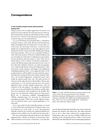
July 2008 in “International Journal of Dermatology” This article discusses a case of patchy alopecia areata that spares greying hairs but reports no new findings; it refers to existing literature for context.
10 citations
,
March 2010 This chapter reviews various chemical synthesis methods for pharmaceutical compounds and reports no new experimental results.
10 citations
,
August 1990 in “Journal of Steroid Biochemistry” High doses of cyclosporine A increase testosterone conversion, possibly boosting hair growth.
10 citations
,
January 1980 in “Ultrastructural pathology” This study suggests that elevated copper levels in domestic tapwater, exacerbated by its aggressive properties, likely contribute to green hair by damaging the cuticle and increasing copper uptake.
 9 citations
,
December 2020 in “International Journal of Medical Sciences”
9 citations
,
December 2020 in “International Journal of Medical Sciences” This article reviews the development and use of induced pluripotent stem cell models and artificial organoids for studying neurodevelopmental disorders, but it reports no new clinical findings.
9 citations
,
August 2011 in “The World Journal of Men s Health” This study concluded that administering 5-alpha reductase inhibitors before photoselective vaporization of the prostate increased hemoglobin change, lasing time, and energy required during the procedure compared to controls.
 8 citations
,
September 2023 in “Advanced Pharmaceutical Bulletin”
8 citations
,
September 2023 in “Advanced Pharmaceutical Bulletin” In a double-blind clinical trial, this study found that a gel containing chitosan-coated spironolactone nanoparticles effectively reduced acne lesions over 8 weeks without adverse skin effects, suggesting potential for enhanced acne treatment through targeted skin delivery.
8 citations
,
January 2012 This review compiles scientific evidence on the effects of green tea polyphenols on cosmetic issues like aging and acne, but reports no new clinical results.
 7 citations
,
December 2021 in “Annals of Phytomedicine An International Journal”
7 citations
,
December 2021 in “Annals of Phytomedicine An International Journal” This study observed that silver nanoparticles synthesized using Laurus nobilis leaf extracts significantly inhibited protein denaturation and membrane stabilization in vitro, suggesting potential as a basis for novel antiarthritic drugs.
6 citations
,
January 1988 in “PubMed” This case report describes a woman who developed green hair due to high copper levels in swimming pool water, exacerbated by hair treatments and inadequate water replacement.
 6 citations
,
April 1985 in “Australasian journal of dermatology”
6 citations
,
April 1985 in “Australasian journal of dermatology” This report describes a rare scalp condition in children with features similar to tinea capitis but shows negative fungal cultures, and suggests possible slow improvement with griseofulvin in two cases.