 October 2025 in “Brazilian Journal of Case Reports”
 This case report suggests that combining platelet-rich plasma therapy with mesotherapy may effectively increase hair density and improve scalp health in complex cases of androgenetic alopecia.
August 2025 in “Dermatopathology” This study identified 96 cases of pilomatricomas linked to genetic syndromes, including a novel association with Apert syndrome, highlighting that these tumors often manifest as the first indication of underlying conditions in pediatric patients.
 July 2023 in “Media Dermato Venereologica Indonesiana”
 In this case report, a 60-year-old man with dermatosis pustular subkorneal showed improvement following treatment with systemic and topical corticosteroids over 4–5 weeks, as diagnosed through clinical and histopathological assessments.
 January 2022 in “Stem cell biology and regenerative medicine”
 This review discusses strategies for hair follicle regeneration using tissue engineering and reports no new clinical results; the authors highlight potential future directions for promoting hair neoformation.
January 2021 in “Dermatologic Therapy”  December 2015 in “Vascular Pharmacology”
 Hair papilla cells are crucial for blood vessel development in hair follicles, affecting hair growth and loss.
31 citations
,
December 2016 in “Anais Brasileiros de Dermatologia” This review discusses the fibrogenic effects of TGFβ1, the regulatory role of PPAR, and the potential involvement of DHEA in frontal fibrosing alopecia, but reports no new clinical results.
27 citations
,
August 2003 in “Anais Brasileiros de Dermatologia” This review discusses the roles of several neuropeptides in skin-immune interactions and inflammatory responses, reporting no new results and emphasizing the need for further study in conditions such as psoriasis and dermatitis.
5 citations
,
February 2021 in “Gels” In this study, HYDRO DELUXE BIO was reported to show promise for scalp mesotherapy by enhancing angiogenesis and reducing inflammation in an in vitro model.
 5 citations
,
January 2021 in “BioMed Research International”
5 citations
,
January 2021 in “BioMed Research International” This study found that a noncrosslinked hyaluronic acid filler restored cell viability against UVB-induced cytotoxicity and increased VEGF secretion in human dermal papilla cells, suggesting potential for mesotherapy use after further research.
3 citations
,
April 2020 in “American Journal of Case Reports” This case report describes the first instance of juvenile hemochromatosis type 2A associated with secondary hypothyroidism, linked to a novel mutation in the HJV gene.
 April 2024 in “Cosmetics”
 Different oils affect hair flexibility and strength, with their impact varying on whether hair is virgin or bleached.
 February 2024 in “Bioengineering”
 This study found that a hydrogel formulation containing insulin, chitosan, and hydroxypropyl methyl cellulose improved wound healing in diabetic mice, promoting faster wound closure and organized tissue formation, with in vitro tests showing no cytotoxicity and enhanced cell migration.
 January 2024 in “Arquivo Brasileiro de Medicina Veterinária e Zootecnia/Arquivo brasileiro de medicina veterinária e zootecnia”
 This study reports that treating a feline with progressive pruritus, alopecia, and FIV infection with imidacloprid and moxidectin resulted in remission of clinical signs and elimination of Demodex cati mites, as confirmed by parasitological examination and genetic sequencing.
 123 citations
,
September 1987 in “JAMA”
123 citations
,
September 1987 in “JAMA” This study observed that patients receiving IL-2 immunotherapy developed a skin eruption characterized by burning and pruritus, which resolved shortly after stopping the infusion, suggesting that IL-2 mediated these effects.
 105 citations
,
September 1995 in “Journal of The American Academy of Dermatology”
105 citations
,
September 1995 in “Journal of The American Academy of Dermatology” This review discusses the use of recombinant cytokines as therapeutic agents in clinical settings and describes the range of cutaneous complications associated with their use, including both minor and severe skin reactions.
15 citations
,
January 2015 in “Dermatitis” This review discusses the efficacy and safety of topical sensitizers for treating alopecia areata and reports no new clinical results; it emphasizes advancements in pediatric use, molecular mechanisms, and targeted delivery methods.
 10 citations
,
January 2024 in “Polymer Chemistry”
10 citations
,
January 2024 in “Polymer Chemistry” This review discusses the design and advances of lipid–polymer hybrid nanoparticles as promising delivery systems for genome editing strategies, highlighting their potential in biomedical applications.
 July 2026 in “Dermatology and Therapy”
 In this study, Brazilian dermatologists reported that patients with alopecia areata, particularly those with severe scalp hair loss, often experience an unmet need for advanced therapies that could improve treatment outcomes beyond the limitations of current options.
 December 2023 in “JEADV Clinical Practice”
 In this report, a young Caucasian woman developed a hairy tongue as an unusual side effect during baricitinib therapy for severe alopecia areata, which was managed by daily toothbrush debridement.
 May 2025 in “Ambulatornaya khirurgiya = Ambulatory Surgery (Russia)”
 This study found that using platelet-rich plasma in optimal doses improves mesh integration and reduces the risk of chronic pain and fibrosis in hernia repair, but overdoses led to inflammatory complications in rats.
 39 citations
,
January 2013 in “Journal of Investigative Dermatology”
39 citations
,
January 2013 in “Journal of Investigative Dermatology” This review explains how recent understanding of Wnt signaling regulation in hair follicles could potentially be used to enhance hair growth, but it reports no new empirical results.
 161 citations
,
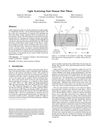
July 2003 in “ACM Transactions on Graphics”
161 citations
,
July 2003 in “ACM Transactions on Graphics” In this study, a new shading model for hair was developed that better matches real-life light scattering, thanks to detailed new measurements of hair fiber scattering not predicted by existing models.

This study introduced a new hair shading model that more accurately simulates light scattering on hair fibers, capturing effects not predicted by previous models.
 7 citations
,
January 2017 in “Journal of cosmetology & trichology”
7 citations
,
January 2017 in “Journal of cosmetology & trichology” This article discusses how nutritional and environmental factors, along with antioxidant supplementation, may improve hair growth by mitigating the effects of androgens and reports no new clinical results.
 4 citations
,
January 2016 in “Journal of cosmetology & trichology”
4 citations
,
January 2016 in “Journal of cosmetology & trichology” This study reports a case where hair loss over the temporal region was associated with prolonged mobile phone use, and suggests that a combination of minoxidil, nutritional therapy, and reduced phone exposure may aid regrowth.
 3 citations
,
January 2016 in “Journal of cosmetology & trichology”
3 citations
,
January 2016 in “Journal of cosmetology & trichology” This report suggests that correcting nutritional deficiencies may improve hair quality in patients with Monilethrix and similar hair shaft disorders, though it is not a cure.
 1 citations
,
September 2024 in “Frontiers in Cell and Developmental Biology”
1 citations
,
September 2024 in “Frontiers in Cell and Developmental Biology” Pigs are a good model for studying human hair growth and disorders.
 1 citations
,
September 2017 in “Frontiers in Laboratory Medicine”
1 citations
,
September 2017 in “Frontiers in Laboratory Medicine” This review discusses recent research on the relationship between gut microflora and depression, highlighting the potential for new insights into the pathogenesis and treatment of major depressive disorder.
 March 2026 in “Frontiers in Pharmacology”
 The study concluded that the Exprecell™ device for preparing anticoagulant-free f-PRF increases volume yield and simplifies the process while maintaining biological activity comparable to conventional methods, suggesting potential clinical utility.