 7 citations
,
January 2019 in “PeerJ”
7 citations
,
January 2019 in “PeerJ” This study found that intradermal injection of Secreted Frizzled-related Protein 4 inhibits, but does not block, hair follicle regeneration in mice, suggesting potential therapeutic applications for hair follicle regeneration disorders.
9 citations
,
January 2021 in “Biomolecules” This study demonstrates the potential of infrared spectral imaging to assess hair follicle structures and heparan sulfate proteoglycan distribution across different phases of the hair growth cycle, offering promise for alopecia research.
 6 citations
,
January 2020 in “International journal of biological sciences”
6 citations
,
January 2020 in “International journal of biological sciences” In this study, deletion of ROBO4 in mice ameliorated hair loss caused by elevated PAF levels, suggesting potential interplay with VLDLR-related pathways.
7 citations
,
April 2019 in “Animal biotechnology” This study observed that POMP is strongly expressed in the root sheath hair follicles of Liaoning Cashmere goats and its expression can be regulated by certain factors, which may influence cashmere growth.
July 2026 in “Scientific Data” In this study, researchers analyzed dermal papilla cells from cashmere goats and identified 3,857 differentially expressed genes associated with hair growth phases, follicle types, and sex, providing a foundational resource for future efforts to improve cashmere quality and yield.
 1 citations
,
October 2025 in “Iranian journal of pharmaceutical research”
1 citations
,
October 2025 in “Iranian journal of pharmaceutical research” This study suggests that geranyl acetate may offer protective, anti-inflammatory, and cytoprotective effects against PPD-induced toxicity in keratinocyte cells, indicating its potential as a plant-derived treatment.
 April 2024 in “bioRxiv (Cold Spring Harbor Laboratory)”
 In a keratinocyte-specific knockout mouse model, this study found that deleting GRK2 disrupted hair follicle homeostasis, causing cyst-like structures, abnormal growth patterns, and eventual hair loss, suggesting potential links to immune-mediated alopecias.
November 2022 in “Journal of Investigative Dermatology” This study provides evidence that ILC1-like cells can induce alopecia areata in previously healthy human hair follicles, challenging the view that it is solely an autoantigen-dependent autoimmune disease.
July 2024 in “Journal of Investigative Dermatology” PP405 may help hair growth by activating hair follicle stem cells.
March 2023 in “Frontiers in Cell and Developmental Biology” This review covers the role of proteoglycans in tissue growth and regeneration and highlights several studies on their potential as therapeutic targets, but reports no new clinical results.
 March 2023 in “Biomedicine & Pharmacotherapy”
 This study found that GPR40 agonists may promote hair growth by inducing angiogenesis via specific molecular pathways in both cell and animal models, suggesting potential for hair loss treatment.
January 2021 in “대한피부과학회지” In this randomized controlled trial, the topical application of a PGA solution significantly increased hair density in patients with androgenetic alopecia compared to placebo, with no adverse reactions reported over 24 weeks, suggesting its potential as a safe and effective treatment option.
 41 citations
,
September 2011 in “Journal of Ethnopharmacology”
41 citations
,
September 2011 in “Journal of Ethnopharmacology” This study indicates that Fructus panax ginseng extract may promote hair growth by increasing proliferation in human hair dermal papilla cells and lengthening the anagen phase in mice.
 13 citations
,
April 2020 in “Experimental Cell Research”
13 citations
,
April 2020 in “Experimental Cell Research” This study found that knockdown of PCAT1 inhibited hair follicle regeneration in nude mice by disrupting the miR-329/Wnt10b axis and Wnt/β-catenin signaling, highlighting PCAT1's role in promoting follicle regrowth.
 28 citations
,
August 2018 in “Dermatologic Surgery”
28 citations
,
August 2018 in “Dermatologic Surgery” This abstract is a listing of affiliations and funding, with no new study or results reported.
September 2025 in “Science Advances” This study reports that PADI4, an enzyme involved in posttranslational protein modifications, regulates progenitor cell transitions in hair follicle development by repressing transcription and interacting with translational and ribosomal processes.
 13 citations
,
September 2010 in “Journal of Dermatological Science”
13 citations
,
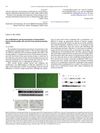
September 2010 in “Journal of Dermatological Science” Researchers made a cell line that grows quickly and can help with hair growth research.
 11 citations
,
August 2014 in “PLoS ONE”
11 citations
,
August 2014 in “PLoS ONE” This study found that GFRα2 influences cell size but not survival or target innervation of Ret-positive low-threshold mechanoreceptors in mouse dorsal root ganglia, differing from its role in nonpeptidergic nociceptors.
July 2024 in “Journal of Investigative Dermatology” This study found that inhibiting the enzyme PDE8A can promote adipocyte differentiation and enhance hair growth in an animal model of androgenetic alopecia, suggesting PDE8A as a potential therapeutic target for restoring dermal adipogenesis and hair cycling.
1 citations
,
July 2019 in “Small ruminant research” This study suggests that the NGF/TrkA/CREB system plays a crucial role in promoting outer root sheath cell proliferation in cashmere goats, which may aid in marker-assisted breeding.
March 2026 in “Journal of Enzyme Inhibition and Medicinal Chemistry” This review examines the development and challenges of using PROTACs, a targeted protein degradation strategy, to treat cancer by degrading specific proteins like PARPs and GPX4, highlighting issues such as target diversification and bioavailability.
19 citations
,
May 2001 in “Endocrinology” This study suggests that Mrp3 may play a role in both wound healing and the hair follicle cycle as a growth factor and/or angiogenesis factor.
 24 citations
,
January 2019 in “Theranostics”
24 citations
,
January 2019 in “Theranostics” This study found that loss of the Pten gene in Lgr5+ hair follicle stem cells promoted squamous cell carcinoma formation through the Akt/β-catenin signaling pathway.
210 citations
,
February 2008 in “Nature genetics” This study found mutations in the P2RY5 gene that are linked to autosomal recessive woolly hair in Pakistani families, implicating it in hair texture determination.
 September 2019 in “Journal of Investigative Dermatology”
 This study found that co-culturing dermal papilla cells in a 3D structure with adipose-derived stem cells may enhance the expression of hair inductivity markers compared to 2D cultures.
January 2024 in “Universidad Peruana Cayetano Heredia Institutional Repository” In this in vitro study, simple centrifugation with calcium gluconate activation led to a significantly higher release of PDGF-BB in PRP compared to other methods, which may inform improved clinical PRP preparation protocols.
 June 2023 in “Journal of cosmetic dermatology”
 This study concluded that both DPCP alone and combined with PRP are effective and safe for treating severe alopecia areata, with no significant difference between the two treatment methods.
9 citations
,
February 2012 in “Clinical Neurology and Neurosurgery” In this paper, three APS patients were followed over time, showing that the diagnosis and course of autoimmune polyglandular syndrome can evolve, highlighting the need for careful monitoring and potential re-evaluation.
 10 citations
,
June 2005 in “The journal of investigative dermatology/Journal of investigative dermatology”
10 citations
,
June 2005 in “The journal of investigative dermatology/Journal of investigative dermatology” This study identified FP-1 as a highly specific extracellular matrix protein in follicular papilla cells, which may play a role in hair growth regulation during specific hair cycle phases.
 3 citations
,
April 2022 in “International Journal of Molecular Sciences”
3 citations
,
April 2022 in “International Journal of Molecular Sciences” This study showed that treating mouse fibroblasts with TTNPB can efficiently convert them into dermal-papilla-cell-like cells with strong hair-inducing capacity, suggesting potential for hair follicle regeneration therapies.