 9 citations
,
December 2022 in “Antibiotics”
9 citations
,
December 2022 in “Antibiotics” This study found that coconut seed extract may effectively treat scabies in rabbits by improving infection signs and causing high mite mortality, suggesting its potential as a cost-effective herbal alternative.
 5 citations
,
January 2021 in “Journal of Saudi Chemical Society”
5 citations
,
January 2021 in “Journal of Saudi Chemical Society” This study analyzed watercress oil and confirmed its phytochemical profile, UV absorption properties, and potential efficacy for hair growth, supporting traditional hot oil applications.
10 citations
,
May 2024 in “BioEssays” This review examined the role of the ion channel TRPV3 in warmth sensation and skin physiology, discussing controversies around its direct contribution to temperature perception, its involvement in skin health, and its potential as a therapeutic target for skin diseases.
December 2025 in “Dietetics” This paper reviewed studies from 2019 to 2025 on the use of olive oil and other derivatives from the European olive tree for skin, hair, and nail care, noting their roles in wound healing and skin aging while highlighting a favorable safety profile.
 April 2026 in “Lithuanian University of Health Sciences”
 In this study, cinnamic acid in solution form showed strong antifungal activity against Microsporum canis, but when incorporated into hydrogels, the acid's diffusion and resulting antifungal performance decreased, though it maintained effectiveness for potential prolonged exposure.
 January 2025 in “International Journal of Pharmaceutical Research and Applications”
 In this research, topical gels using natural mucilages from okra and hibiscus were successfully formulated to deliver diclofenac diethylamine, with hibiscus mucilage at 10% showing the best performance as a gelling agent based on various physicochemical tests.
 February 2023 in “Journal of Ginseng Research/Journal of ginseng research”
 This review discusses the formation of gintonin LPAs in ginseng during processing and reports no new clinical results; the authors suggest potential benefits against degenerative diseases through LPA receptors.
20 citations
,
February 2017 in “European journal of pharmaceutical sciences” This study found that the cocrystal of mycophenolic acid with isonicotinamide significantly improved solubility and dissolution rate, while two other cocrystals showed decreased performance in these areas.
 August 2023 in “Journal of Investigative Dermatology”
 In this study, researchers found that Ganoderma Lucidum extract and Ganoderic acid A significantly improved hair follicle growth and delayed hair loss progression, based on in vitro, ex vivo, and 24-week human clinical trials, suggesting potential as a therapeutic for androgenetic alopecia.
 9 citations
,
November 2012 in “Biomolecules & therapeutics”
9 citations
,
November 2012 in “Biomolecules & therapeutics” This study found that diphlorethohydroxycarmalol significantly increased prostaglandin $E_2$ synthesis in HaCaT human keratinocytes by upregulating COX-1 and COX-2 expression, suggesting potential benefits from elevated $PGE_2$ production.
46 citations
,
April 1987 in “Brain Research” This study suggests that hair-follicle afferent axons can be presynaptically inhibited by boutons containing the enzyme glutamic acid decarboxylase, which is linked to the synthesis of γ-aminobutyric acid.
23 citations
,
June 2014 in “International Journal of Cosmetic Science” This study reported that the treatment of hair with glyoxylic acid straighteners causes major conformational changes within the hair fiber due to interactions between carbonyl and keratin components.
16 citations
,
November 2018 in “The journal of pain/Journal of pain” This study found that in a rat model, 14,15-EET may alleviate central poststroke pain by enhancing thalamic inhibition through neurosteroid signaling, potentially outperforming gabapentin in early-stage treatment.
September 2025 in “International Journal of Cosmetic Science” This study found that a 0.5% cationic guar gum and 0.5% anionic surfactant formulation formed stable coacervates with improved adhesion and coverage on damaged hair, suggesting it may enhance the effectiveness of hair conditioning products compared to other ratios.
 8 citations
,
July 2018 in “Analytical sciences”
8 citations
,
July 2018 in “Analytical sciences” This study reported that derivatization with 5-butylpicolinic acid improved the sensitivity for detecting testosterone and DHT in saliva using LC-ESI-MS/MS, with minimal interference from the saliva matrix.
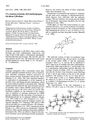 December 1998 in “Acta Crystallographica Section C-crystal Structure Communications”
 This study describes the molecular conformation and intermolecular interactions in the crystalline structure of the compound C24H31BrO4.
June 2025 in “Healthy-Mu Journal” The optimized Cinchonine gel effectively fights acne bacteria and is safe for twice-daily use.
2 citations
,
February 2012 in “PubMed” This study found that Gp₄G increased hair length, papilla cell numbers, and versican deposition in treated animals, potentially through alterations in hair follicle phases and nucleotide concentrations.
1 citations
,
April 2022 in “Crystal Growth & Design” 44 citations
,
October 2016 in “Epilepsia” This study demonstrated that the glycolytic inhibitor 2-deoxy-D-glucose enhances antiseizure effects by potentiating extrasynaptic tonic GABAergic inhibition through neurosteroidogenesis in hippocampal slices.
January 2026 in “RSC Medicinal Chemistry” This study notes the ongoing challenge in developing new drugs for androgenetic alopecia, mentioning that both minoxidil and finasteride were originally intended for treating hypertension. Results are not reported.
1 citations
,
June 2016 in “FEBS open bio” This study reports that topical fish oil treatment in GsdmA3 Dfl/+ mice increased cellular proliferation and macrophages but did not affect COX-2 expression related to psoriasis-like skin changes.
2 citations
,
January 2022 in “BioMed Research International” This study suggests that Gujian oral liquid may reduce osteoarthritis symptoms by regulating inflammation and catabolism through the TNF-α/NF-kappa B signaling pathway, as confirmed by both in vivo and in vitro experiments.

In this study, researchers successfully synthesized a rigid 3a-arylhexahydropentalene-1,6-dione from the easily accessible starting material cyclopent-2-en-1-one, highlighting a structural motif common in natural products and pharmaceuticals.
 January 2004 in “Analytical Sciences: X-ray Structure Analysis Online”
 This study reports the crystal structure of C28H32O5, revealing its monoclinic symmetry, unit-cell dimensions, and molecular conformation.
 June 2025 in “Natural Product Communications”
 This study successfully synthesized novel cercidin analogues from Cercidophyllum japonicum, confirming their structure via NMR data. The researchers suggest these compounds could facilitate future antibiotic development by advancing structure-activity-relationship studies.
 May 2026 in “BMC Medicine”
 This study found that ACOD1 deficiency in dermal papilla cells promotes mitochondrial dysfunction and contributes to cellular senescence in androgenetic alopecia, suggesting ACOD1 as a potential therapeutic target and 4-octyl itaconate as a promising treatment option for AGA.
 11 citations
,
October 2021 in “Carbohydrate Polymers”
11 citations
,
October 2021 in “Carbohydrate Polymers” In this study, WGBP-A2 polysaccharides from Ginkgo biloba leaves promoted hair growth and altered inflammation markers in alopecia areata mice, suggesting potential therapeutic effects through modulation of inflammation pathways.
 60 citations
,
December 2013 in “PLoS ONE”
60 citations
,
December 2013 in “PLoS ONE” The researchers found that inhibiting soluble epoxide hydrolase, either genetically or pharmacologically, delayed the onset of chemically induced seizures related to GABA antagonism in experimental models.
 34 citations
,
June 2011 in “Alcoholism: Clinical and Experimental Research”
34 citations
,
June 2011 in “Alcoholism: Clinical and Experimental Research” This study suggests that neurosteroids and compounds acting on GABA(A) receptors, like THIP, may modulate ethanol intake by influencing drinking patterns.