August 2021 in “The journal of investigative dermatology/Journal of investigative dermatology” This article reviews current treatments for alopecia areata, discussing the potential role of JAK inhibitors and noting the need for further clinical trials, but it reports no new results.
This study found that local application of nano-liposome-bound EGF at 333.3μg/ml postponed hair growth in rats, unlike lower concentrations or free form.
November 2005 in “Journal of Investigative Dermatology Symposium Proceedings”  5 citations
,
January 2018 in “Annals of Dermatology”
5 citations
,
January 2018 in “Annals of Dermatology” A 308 nm excimer laser successfully treated a boy with a rare skin condition after about a year of weekly sessions.
 9 citations
,
March 2015 in “Journal of Microbiology and Biotechnology”
9 citations
,
March 2015 in “Journal of Microbiology and Biotechnology” This study found that ultra-high molecular weight poly-γ-glutamic acid promoted hair growth in telogenic C57BL/6 mice by inhibiting 5-alpha reductase activity and inducing the anagen phase.
July 2024 in “Journal of Investigative Dermatology” 53 citations
,
May 1996 in “The Journal of Clinical Endocrinology & Metabolism” This study identified multiple mutations in the 5 alpha-reductase-2 gene among male pseudohermaphrodites in the Dominican Republic, suggesting they do not share a common ancestry.
 January 2024 in “Biological & pharmaceutical bulletin”
 In this study, Panax ginseng extract and its ginsenosides were found to stimulate the proliferation of hair-related cells and promote the transition from the telogen to the anagen phase, enhancing hair-shaft growth by suppressing BMP4 expression in human dermal papilla cells.
August 2023 in “Zenodo (CERN European Organization for Nuclear Research)” 7 citations
,
January 2009 in “DOAJ (DOAJ: Directory of Open Access Journals)” This study found that D-004, a hexanic extract from the Cuban royal palm fruit, did not cause genotoxic effects in male germ cells of mice over an 8-week period.
 August 2024 in “Plant Signaling & Behavior”
 This study found that overexpressing the gene OsPRX83 in rice plants enhanced osmotic and oxidative stress tolerance compared to wild-type and mutant rice, showing potential for engineering drought-resistant rice varieties through ABA-dependent pathways and ROS scavenging.
6 citations
,
October 2023 in “Animal Biotechnology” This study found that a 22-bp InDel polymorphism in the FGF7 gene was significantly associated with growth traits in goats, with genotypes ID and/or II linked to better growth compared to genotype DD, indicating its potential as a molecular marker in breeding programs.
 7 citations
,
December 2022 in “Plants”
7 citations
,
December 2022 in “Plants” This study suggests that guava leaf extract may inhibit hair loss by downregulating genes involved in androgen synthesis, potentially offering a natural alternative for treating androgenetic alopecia.
This study found that administering gingerol improved survival and reduced organ damage in mouse models of chronic graft-versus-host disease by modulating T cell differentiation and inflammatory cytokines, suggesting a novel therapeutic approach for steroid-refractory cases.
 28 citations
,
August 2014 in “Journal of Assisted Reproduction and Genetics”
28 citations
,
August 2014 in “Journal of Assisted Reproduction and Genetics” This study found that the VEGF +405G/C polymorphism may be an inheritable risk factor for polycystic ovary syndrome in south Indian women.
 6 citations
,
April 2017 in “Frontiers in Pharmacology”
6 citations
,
April 2017 in “Frontiers in Pharmacology” This study found that several compounds from Yangxue Shengfa capsule may promote hair growth by enhancing cell proliferation in vitro, suggesting potential use in treating androgenetic alopecia.
5 citations
,
October 2023 in “Forests” In this study, researchers assessed the genetic diversity of 101 Ginkgo biloba individuals using EST-SSR markers and concluded that there is a high level of genetic diversity in Ginkgo populations, facilitating the construction of a core germplasm collection for breeding purposes.
 July 2018 in “Hair transplant forum international”
 This abstract contains only author affiliations and mentions the Asian Association of Hair Restoration Surgeons, without presenting any new research findings.
October 2022 in “Zenodo (CERN European Organization for Nuclear Research)” This promotional text for Kudo Zero Sugar Collagen Support Gummies highlights their potential benefits for skin appearance but reports no new clinical research findings.
 3 citations
,
April 2015 in “AFRICAN JOURNAL OF BIOTECHNOLOGY”
3 citations
,
April 2015 in “AFRICAN JOURNAL OF BIOTECHNOLOGY” This study found that certain Y-chromosome alleles may influence susceptibility to prostate cancer among Iraqi males, suggesting potential genetic screening markers for the disease.
 April 2017 in “The journal of investigative dermatology/Journal of investigative dermatology”
 This study reports that 71% of patients treated with the gamma-secretase inhibitor PF-03084014 for desmoid tumors experienced dermatologic side effects, such as follicular lesions and pruritic eruptions, which were managed with topical or systemic treatments.
 105 citations
,
February 1996 in “Journal of biological chemistry/The Journal of biological chemistry”
105 citations
,
February 1996 in “Journal of biological chemistry/The Journal of biological chemistry” In this study, sequences upstream of the TGM3 gene were found to regulate epithelial-specific gene expression in keratinocytes, suggesting potential applications in gene therapy.
 1 citations
,
January 1997 in “Journal of Investigative Dermatology”
1 citations
,
January 1997 in “Journal of Investigative Dermatology” In this study using a macaque model, RU58841 at a 5% concentration significantly increased hair density, thickness, and length in the frontal bald scalp over six months.
 3 citations
,
January 2005 in “Biological & Pharmaceutical Bulletin”
3 citations
,
January 2005 in “Biological & Pharmaceutical Bulletin” This study reports that the peptide GPIGS, found in Bacillus sp. M18 conditioned medium, may promote hair growth through the PI-3K/Akt pathway and accelerate hair regrowth in mice.
 April 2017 in “Journal of Investigative Dermatology”
 In this study, the novel isoprenylcysteine analog SIG-1451 was shown to inhibit pro-inflammatory cytokine release in various cell-based assays relevant to allergic dermatitis, acting on targets such as IL-4 and IL-6 with potential anti-inflammatory benefits.
May 2023 in “Zenodo (CERN European Organization for Nuclear Research)” 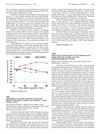 April 2010 in “The Journal of Urology”
 Human prostate cells produce more WISP1/CCN4 when there's not enough oxygen.
 December 2024 in “Journal of Dental Panacea”
 In this retrospective study, QR678 Neo, a biomimetic peptide treatment for androgenetic alopecia, improved hair density by 30% compared to 18% with platelet-rich plasma, with patients reporting higher satisfaction.
January 2026 in “OSF Preprints (OSF Preprints)” In this study, researchers presented a novel therapeutic approach for androgenetic alopecia combining AR-PROTAC degradation with regenerative strategies and evaluated the potential of GT20029 as a topical treatment, proposing a three-phase protocol and future research hypotheses.
November 2025 in “Journal of Investigative Dermatology” AMP-303 injections can increase hair growth in androgenetic alopecia with minimal side effects.