 September 2024 in “The Neurohospitalist”
 Careful management of chronic hyponatremia is crucial to prevent severe neurological issues.
September 2024 in “Journal of the American Academy of Dermatology” Generic topical and transdermal systems usually cause minimal irritation or sensitization.
May 2024 in “Asian Journal of Medical Sciences” This study observed that in patients with primary hypothyroidism, common skin conditions like altered skin texture, dry skin, and diffuse hair loss may emerge before a biochemical diagnosis, suggesting these signs should prompt consideration of hypothyroidism.
 January 2024 in “International Ayurvedic medical journal”
 This study presents a case report of a 25-year-old woman with PCOS who experienced irregular menstruation, weight gain, and depression, highlighting improvements in her symptoms and menstrual regularity after three and a half months of treatment with Ayurvedic medicine and yoga.

This review discusses potential advancements in topical dutasteride formulations for treating androgenic alopecia and reports no clinical results, highlighting a focus on improving skin penetration and availability.
 October 2023 in “IJEM case reports”
 This case report describes the diagnosis and management of a 15-year-old girl with complete androgen insensitivity syndrome, highlighting the importance of thorough physical exams for early detection and treatment planning.
 June 2023 in “International journal of pharmaceutical quality assurance”
 This study found that Eclipta alba extracts exhibit 5α-reductase inhibitory activity, with the methanolic extract showing a higher concentration of β-sitosterol compared to petroleum ether extract, indicating potential for treating androgenic conditions like male pattern baldness.
March 2021 in “Research Square (Research Square)” This study analyzed the structure and dynamics of ketoconazole, revealing how its molecular characteristics, such as spin-lattice relaxation time and chemical shift anisotropy, are influenced by π-π stacking interactions and different carbon site environments.

This review discusses lifestyle interventions and dietary modifications for managing PCOS symptoms but reports no new clinical results; the authors emphasize the importance of early diagnosis and management to prevent associated health issues.
This study identified significant differences in KIR gene profiles between SLE patients and controls, suggesting that specific KIR genes could serve as biomarkers for disease severity in Indian SLE patients.
April 2018 in “The journal of investigative dermatology/Journal of investigative dermatology” In this study, IL-1α and IL-7 were found to work together to activate epidermal γδ T-cells, which in turn promote hair follicle stem cell proliferation during mouse wound healing.
This study found that IL-1α and IL-7 secreted from keratinocytes in a genetically engineered mouse model can stimulate the expansion of γδT-cells, aiding in the proliferation of epidermal stem cells for wound healing.
 24 citations
,
July 2019 in “Journal of Obstetrics and Gynaecology”
24 citations
,
July 2019 in “Journal of Obstetrics and Gynaecology” This study found that a 12-week supplementation with a combination of insulin sensitizing agents, antioxidants, and vitamins significantly improved menstrual cyclicity, acne, and hirsutism in women with PCOS, with additional weight loss benefits in obese subjects.
 11 citations
,
December 2011 in “Revista Brasileira de Farmacognosia”
11 citations
,
December 2011 in “Revista Brasileira de Farmacognosia” In this animal study, petroleum ether and ethanolic extracts of Abrus precatorius seeds appeared to reverse androgen-induced alopecia in male albino rats by inhibiting the 5α-reductase enzyme, similar to finasteride.
8 citations
,
October 2011 in “Anthropologischer Anzeiger” This study found significant differences in hair traits among scalp, axillary, and pubic hair in Bengalee Hindu caste females, suggesting these variations could aid in forensic personal identification.
 7 citations
,
February 2013 in “Tropical Journal of Pharmaceutical Research”
7 citations
,
February 2013 in “Tropical Journal of Pharmaceutical Research” In this study, applying G. glabra root extract to female rats resulted in faster and more extensive hair growth than minoxidil or a control treatment.
5 citations
,
July 2010 in “Journal of life sciences” This study found that gray scalp hair had a higher prevalence of continuous medullation and crenate cuticle type compared to black scalp hair among Bengalee males.
 4 citations
,
January 2011 in “Der Pharmacia Lettre”
4 citations
,
January 2011 in “Der Pharmacia Lettre” This study found that ethanolic extract of Hibiscus rosasinensis flowers may act as a hair growth retarding agent in female rats, potentially useful for hair removal products.
1 citations
,
July 2021 in “Small ruminant research” This study found that supplementing arsenic-fed Black Bengal kids with vitamin E, alone or combined with yeast culture, partially ameliorated growth and reduced arsenic load in faeces, urine, and hair.
November 2012 in “International Journal of Data Science and Artificial Intelligence” This study found that the petroleum ether extract of Glycyrrhiza glabra roots promoted faster and longer hair growth in female Wistar rats compared to minoxidil and control treatments.
 22 citations
,
November 2016 in “Indian Journal of Pharmaceutical Education and Research”
22 citations
,
November 2016 in “Indian Journal of Pharmaceutical Education and Research” This study found that ethanolic leaves extract of Hibiscus rosa-sinensis L. exhibited strong antioxidant activity and enhanced wound healing properties in mice, showing reasonable safety in toxicological evaluations without severe alterations.
 January 2014 in “Journal of Pharmaceutical Negative Results”
 This study found that the ethanolic extracts of G. glabra and Z. mauritiana roots did not prevent androgenic alopecia in a testosterone-induced animal model.
83 citations
,
October 2012 in “International Journal of Oncology” In this in vitro study, wedelolactone induced selective apoptosis in prostate cancer cells by inhibiting 5-Lox activity, suggesting it may have potential as a treatment for prostate cancer.
1 citations
,
November 2024 in “Sciences of Phytochemistry” This review assesses 191 studies and reports that bananas have numerous health benefits, including anti-inflammatory, cancer-reducing, and antihypertensive properties, while also supporting roles in treating diabetes and depression, highlighting the fruit's potential as both a functional food and medicinal plant.
March 2025 in “International Journal of Scientific Research” This study found that low-dose oral minoxidil effectively increased hair count over 24 weeks with mild reductions in blood pressure and minimal adverse effects among participants, suggesting its potential as a safe treatment for hair loss.
 July 1980 in “International Journal of Dermatology”
 This article about Aloe Vera does not include any new research findings or results.
 1 citations
,
March 2025 in “Frontiers in Physiology”
1 citations
,
March 2025 in “Frontiers in Physiology” This study identified key genes linked to immune cells and potential therapeutic compounds for alopecia areata by evaluating upregulated genes from patient datasets, highlighting T and NK cell involvement in hair follicle attack and suggesting drug candidates through molecular docking and dynamics simulations.
 4 citations
,
January 2009 in “Indian Journal of Dermatology, Venereology and Leprology”
4 citations
,
January 2009 in “Indian Journal of Dermatology, Venereology and Leprology” This archived website overview discusses Bioline International's role in reducing the knowledge gap by hosting peer-reviewed journals from developing countries but presents no new research findings.
 June 2026 in “Frontiers in Materials”
 This review examines advancements in "smart" hydrogel dressings for complex wound healing, highlighting innovations in materials that provide multifunctionality, such as responsive drug delivery and regenerative capabilities. The study also addresses potential challenges in clinical application, like manufacturing and regulatory hurdles.
 13 citations
,
February 2006 in “Clinical and Experimental Dermatology”
13 citations
,
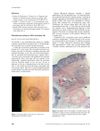
February 2006 in “Clinical and Experimental Dermatology” A benign tumor developed at a girl's BCG vaccination site, not previously linked to the vaccine.