24 citations
,
May 2022 in “BMC Veterinary Research” This study identified key mRNAs and lncRNAs, along with related pathways, that play potentially important roles in hair follicle development and cycling in cashmere goats.
 1 citations
,
May 2025 in “Scientific Reports”
1 citations
,
May 2025 in “Scientific Reports” In this study, researchers analyzed skin tissues from two types of Jinlan Cashmere Goats and identified crucial non-coding RNA mechanisms potentially impacting cashmere yield, revealing significant DE lncRNAs, mRNA expressions, and pathways relevant to cashmere quality improvement.
 October 2018 in “bioRxiv (Cold Spring Harbor Laboratory)”
 This study investigated NNAT expression in embryonic and postnatal rat tissues, finding its localization in both undifferentiated and differentiated cells across tissues such as the pancreas, tongue, and testis.
 September 2017 in “Journal of Dermatology & Cosmetology”
 This study reports a case of frontal fibrosing alopecia associated with hepatitis C treatment involving interferon and ribavirin.
 11 citations
,
May 2023 in “Journal of Cutaneous Medicine and Surgery”
11 citations
,
May 2023 in “Journal of Cutaneous Medicine and Surgery” This study found that combining plasma rich in growth factors with conventional treatment significantly improved hair regrowth and reduced symptoms in patients with frontal fibrosing alopecia compared to conventional treatment alone.
76 citations
,
January 1998 in “Mammalian Genome”  December 2023 in “Animal research and one health”
 This study investigated circRNA expression in Zhongwei goat skin at different growth stages and found that certain circRNAs, such as circRNA8782 and circRNA3173, may play roles in regulating wool curvature by affecting signaling pathways and fibroblast proliferation.
1 citations
,
September 2025 in “Frontiers in Immunology” This study found that FRβ knockout mice exhibited autoimmune symptoms and slower tumor growth compared to wild type mice, suggesting that the FRβ receptor may play a role in regulating immune responses in tumors and autoimmune conditions.
 November 2025 in “Kufa Journal of Engineering”
 This study explored deep learning's potential in diagnosing scalp conditions like alopecia, psoriasis, and folliculitis, using a two-dimensional Convolutional Neural Network, achieving high accuracy and precision despite challenges of a small and uneven dataset.
172 citations
,
March 2019 in “The EMBO Journal” This study found that in Arabidopsis thaliana, the interaction between extracellular leucine-rich repeat extensins and the receptor-like kinase FERONIA helps control vacuolar expansion, crucial for cellular elongation.
June 2020 in “The journal of investigative dermatology/Journal of investigative dermatology” This study investigated the roles of long non-coding RNAs in mouse hair follicle stem cells, using sequencing to identify potential biomarkers and targets for treatments in both mice and humans.
January 2017 in “PRISM (University of Calgary)” This study identifies unique gene expression patterns in specialized fibroblasts within adult hair follicles, which advances understanding of their role in tissue regeneration.
April 2018 in “DSpace@MIT (Massachusetts Institute of Technology)” Nephronectin is linked to worse outcomes in breast cancer and helps cancer spread.
 October 2023 in “IBRO neuroscience reports”
 Rat hair follicle stem cells have functional oxytocin receptors, useful for studying neuropsychiatric disorders.
January 2025 in “SSRN Electronic Journal” 4 citations
,
August 2022 in “Cells” This study found that the lncRNA lncRNA2919 is involved in hair follicle regeneration by downregulating growth-related genes, inhibiting cell proliferation, and promoting apoptosis in rabbit dermal papilla cells.
17 citations
,
September 2022 in “Biomaterials Research” This study found that the film-trigger applicator system enhanced drug delivery efficiency and skin penetration of dissolving microneedles compared to traditional patch systems in both lab and animal models.
 45 citations
,
July 2009 in “Journal of human genetics”
45 citations
,
July 2009 in “Journal of human genetics” This study found that an SNP in the FGFR2 gene, rs4752566, was significantly associated with hair thickness in Asian populations, suggesting an effect on hair morphology through altered FGFR2 expression levels.
37 citations
,
December 2020 in “PLANT PHYSIOLOGY” In this study, the researchers identified a temperature-sensitive mutant in Arabidopsis thaliana, showing disrupted root hair formation and altered responses to plant hormone treatments at elevated temperatures.
August 2020 in “Research Square (Research Square)” In this study, transplantation of rat hair follicle stem cells was associated with reduced infarct volume and enhanced neurological recovery after ischaemic stroke, suggesting therapeutic potential for further clinical development.
3 citations
,
January 2019 in “Electronic Imaging” This study found that a lightweight Convolutional Neural Network model can accurately and quickly determine natural hair tone from high-resolution images of hair roots, outperforming other popular methods.
 201 citations
,
November 1964 in “Journal of neurophysiology”
201 citations
,
November 1964 in “Journal of neurophysiology” The cuneate nucleus has two main neuron types: relay neurons and interneurons.
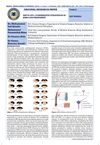 November 2025 in “PARIPEX-INDIAN JOURNAL OF RESEARCH”
 GFC is more effective than PRP for treating hair loss.
 17 citations
,
June 2020 in “Animals”
17 citations
,
June 2020 in “Animals” This study identified differentially expressed mRNAs and lncRNAs in Hu sheep hair follicles, suggesting certain genes and pathways are involved in the development of wool curvature patterns.
 11 citations
,
October 2021 in “Frontiers in Cell and Developmental Biology”
11 citations
,
October 2021 in “Frontiers in Cell and Developmental Biology” This review summarizes the role of non-coding RNAs in hair follicle regeneration and highlights potential therapeutic strategies, though it reports no new experimental results.
 1 citations
,
January 2022 in “European Journal of Pharmacology”
1 citations
,
January 2022 in “European Journal of Pharmacology” In this study, FMN was found to inhibit androgen receptor function and androgen-regulated gene expression in prostate cancer cells, suggesting potential as an antiandrogen therapy.
In this study of mouse hair follicles, Raptor was specifically expressed in hair follicle stem cells, while Rictor was mainly found in inner root sheath cells, indicating distinct roles in hair growth stages.
19 citations
,
March 2022 in “Molecular therapy. Nucleic acids” This study found that silencing the circular RNA circNlgn in mice reduced doxorubicin-induced cardiofibrosis and cardiomyocyte apoptosis, suggesting potential therapeutic strategies for minimizing heart-related side effects in cancer treatment.
10 citations
,
September 2021 in “The FASEB Journal” This study found that ACKR2 plays a crucial role in reducing inflammatory skin fibrosis and promoting inflammation resolution through IFN‐β production, limiting tissue scarring.
11 citations
,
January 1996 in “PubMed” This study observed that Nod factor stimulation in alfalfa roots leads to dynamic changes in the cytoskeleton and endoplasmic reticulum, suggesting a mechanism for root hair growth changes.