 5 citations
,
August 2013 in “InTech eBooks”
5 citations
,
August 2013 in “InTech eBooks” This article reviews the role of KLF4, a transcription factor, in various cellular processes and its dual function as a tumor suppressor or oncogene depending on the context, but presents no new experimental results.
This study found that deleting the Mad2l1 gene in mice leads to rapid onset of acute lymphoblastic leukemia and liver cancer due to induced chromosomal instability.
171 citations
,
June 2004 in “Journal of Investigative Dermatology” GLI2 activates GLI1, promoting skin tumor growth and hair development.
April 2019 in “Journal of Investigative Dermatology” This study found that, in mice, different precursor populations give rise to Merkel cells in hairy versus glabrous skin, but their formation is controlled by a common genetic program involving FGFR2 signaling.
This research describes a crucial role for Meis2 expression in mesenchymal cells derived from the neural crest for whisker formation, showing that whiskers can develop without sensory innervation or FOXD1 expression, highlighting an early function of MEIS2.
297 citations
,
January 2002 in “Development” In this study, repressing β-catenin/Lef1 signalling in mouse epidermis led to progressive hair loss, dermal cysts, and spontaneous skin tumors with sebaceous differentiation, indicating altered keratinocyte differentiation and potential tumourigenic processes.
 3 citations
,
May 2019 in “BMJ case reports”
3 citations
,
May 2019 in “BMJ case reports” This report describes a rare case of severe combined immunodeficiency caused by a FOXN1 gene variant, complicated by Epstein-Barr virus infection and high-grade B-cell lymphoma, leading to the infant's death despite treatment efforts.
 9 citations
,
January 2021 in “International Journal of Medical Sciences”
9 citations
,
January 2021 in “International Journal of Medical Sciences” This study found that Sox10 may play a role in early hair follicle development and cycling, as it is expressed in specific regions of the hair follicle during different phases of the hair cycle in mice.
11 citations
,
April 2021 in “Cancers” This study identified a small molecule that activates GLI1, suppressing neuroblastoma cell growth, which may aid in developing new treatments for high-risk neuroblastoma cases.
 16 citations
,
January 2005 in “Pediatric Dermatology”
16 citations
,
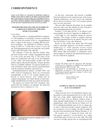
January 2005 in “Pediatric Dermatology” This brief report describes a case of Fox-Fordyce disease in a prepubertal girl but reports no new clinical findings.
 73 citations
,
April 2013 in “Stem cells”
73 citations
,
April 2013 in “Stem cells” This study found that LGR5 is uniquely expressed in human corneal endothelial cells and maintains endothelial cell phenotypes while inhibiting mesenchymal transformation through the Wnt pathway.
 July 2025 in “bioRxiv (Cold Spring Harbor Laboratory)”
 This study developed a potent Wnt surrogate with high specificity for the Fzd7 receptor in mice, promoting full hair follicle regeneration and robust hair growth, suggesting potential applications in tissue development and targeted regeneration.
May 2023 in “bioRxiv (Cold Spring Harbor Laboratory)” This study reported the first comprehensive transcriptome atlas of the extraorbital lacrimal gland in mice, identifying over 41 cell subclasses and revealing significant cell-cell communication networks, particularly among innate lymphoid cells.
26 citations
,
February 2021 in “FEBS Journal” This review discusses potential immune therapies targeting regulatory T cells for age-related diseases and emphasizes the need for further research to translate these therapies into clinical practice.
 April 2018 in “The journal of investigative dermatology/Journal of investigative dermatology”
 This study found that in a mouse model of Focal Dermal Hypoplasia, treatment with lithium carbonate improved skin disease symptoms compared to controls, though disease severity varied and posed interpretation challenges.
 95 citations
,
July 2010 in “Genes & development”
95 citations
,
July 2010 in “Genes & development” In this study, the researchers reported that Notch/CSL signaling is crucial for hair follicle differentiation, with Wnt5a signaling and FoxN1 acting as mediators in mice.
April 2016 in “Archivio Istituzionale della Ricerca (Universita Degli Studi Di Milano)” This thesis explores various aspects of Sox9, including its role in development, diseases, and as an immunohistochemical marker in animal tissues, but reports no new definitive clinical results.
27 citations
,
June 2020 in “Genes” This study identified multiple loss of function variants in the HR gene linked to the unique hair coat phenotype in lykoi cats, also known as werewolf cats.
January 2024 in “International journal of molecular sciences” This study found that higher expression of the Hoxc13 gene in specific areas of hair follicles is associated with longer wool length in Gansu alpine fine-wool sheep.
15 citations
,
July 2015 in “Developmental Dynamics” This study highlights the role of Orai1 in ameloblast differentiation and maturation, showing that its down-regulation affects cell proliferation and enamel formation during tooth development.
19 citations
,
November 2016 in “Developmental Biology”  April 2016 in “Journal of Investigative Dermatology”
 The researchers reported that SOX4 expression is significantly upregulated in melanoma and its knockdown in cell lines resulted in reduced tumor progression, suggesting potential for targeted therapies.
10 citations
,
January 2004 in “Journal of Investigative Dermatology” Krt6a-Cre transgenic mice help study gene effects on hair follicle development and tumor suppression.
66 citations
,
June 2001 in “Gastroenterology” In this study, K19-lacZ transgenic mice exhibited epithelial-specific reporter gene expression in tissues such as the pancreas and stomach, suggesting the K19 promoter is a valuable tool for studying epithelial cell biology.
 555 citations
,
July 2001 in “Genes & Development”
555 citations
,
July 2001 in “Genes & Development” This study found that Tcf3 and Lef1 differently regulate cell differentiation in multipotent skin stem cells, with Tcf3 promoting follicle-like features and Lef1, when modified, promoting sebocyte differentiation.
 25 citations
,
November 2017 in “Molecular Medicine Reports”
25 citations
,
November 2017 in “Molecular Medicine Reports” This study found that PlncRNA‑1 may enhance the proliferation and differentiation of hair follicle stem cells by upregulating the TGF‑β1-mediated Wnt/β-catenin signaling pathway.
2 citations
,
December 2020 in “Frontiers in genetics” In this study, the researchers identified the SPEF2 and PRLR genes as potential candidates associated with feather rate phenotypes in Shouguang chickens through combined genome-wide association and differential expression analyses.
 3 citations
,
April 2022 in “Frontiers in Physiology”
3 citations
,
April 2022 in “Frontiers in Physiology” This study found that loss of the Ptch2 receptor in mice leads to increased incisor growth and enhanced mesenchymal stem cell differentiation, highlighting Ptch2's role in organ regenerative potential.
6 citations
,
April 2012 in “PloS one” This study used transgenic mice to show that disrupting TGF-β signaling in K14+ progenitor cells led to increased stem cell proliferation in the tongue.
30 citations
,
February 2023 in “Journal of Investigative Dermatology” OX40-targeted therapies may help treat skin diseases by reducing inflammation and balancing immune responses.