20 citations
,
June 2024 in “Journal of Autoimmunity” This study found that in rheumatoid arthritis patients, inflammatory macrophages activate steroid metabolism to increase glucocorticoid and androgen production, which helps suppress inflammation and attenuate hyperproliferation in synovial fibroblasts, with notable disturbances seen in postmenopausal women due to diminished inactive steroid precursors.
 September 2025 in “Arthritis Research & Therapy”
 In this study, researchers found that the compound BMS-470539 induced a senescence-like state in fibroblasts from systemic sclerosis patients, reducing fibrosis-associated markers in vitro and decreasing skin thickness in a mouse model of skin fibrosis, suggesting a novel therapeutic strategy for managing fibroblast-driven diseases.
47 citations
,
August 2016 in “American Journal Of Pathology” This study reports that in systemic sclerosis, CD34+ dermal fibroblasts transition to CD34−, podoplanin+, and CD90+ fibroblasts across the dermis, suggesting a role in unchecked fibrosis.
 5 citations
,
September 2022 in “Research Square (Research Square)”
5 citations
,
September 2022 in “Research Square (Research Square)” This study identified CD201+ fibroblast progenitors in mouse skin that regulate wound healing through differentiation into specialized cell types, with retinoic acid and hypoxia influencing this process.
38 citations
,
January 2017 in “Mediators of Inflammation” This study found that platelet-rich growth factor significantly reduced the release of proinflammatory cytokines in an in vitro rheumatoid arthritis model.
6 citations
,
August 2024 in “Biomacromolecules” This study introduces a novel in vitro model for clubfoot fibrosis to enable high-throughput drug screening and found that while the model increased collagen deposition, the antifibrotic drug minoxidil effectively inhibited the expression of collagen cross-linking enzymes.
1 citations
,
January 2024 in “International journal of molecular sciences” This review article addresses how the TRPV4 ion channel helps cells respond to mechanical and environmental stimuli, discussing its role in calcium signaling crucial for tissue repair and fibrosis across various organ systems, and highlighting potential therapeutic targets from animal and disease models.
 5 citations
,
February 2021 in “Dermatology and Therapy”
5 citations
,
February 2021 in “Dermatology and Therapy” This study found that two sessions of platelet-rich plasma mesotherapy significantly improved symptoms in patients with corticosteroid-induced rosacea-like dermatitis without further treatment.
 March 2026 in “bioRxiv (Cold Spring Harbor Laboratory)”
 In this study, researchers developed a new method called Enriched-GF, which enhances growth factor recovery from platelet concentrates through a combination of glass bead activation, freeze-thaw cycling, and calcium stimulation, outperforming conventional methods by providing higher and more consistent yields for regenerative medicine applications.
28 citations
,
September 2020 in “International Journal of Molecular Sciences” This study concluded that leucocyte-rich PRP has a continuous stimulatory effect on human fibroblast cells, enhancing their proliferation, migration, and impacting gene expression of the extracellular matrix and adhesion molecules.
 144 citations
,
November 2020 in “Frontiers in immunology”
144 citations
,
November 2020 in “Frontiers in immunology” This study summarizes how the IL-23/IL-17 axis contributes to inflammatory skin diseases like psoriasis and highlights that biologics targeting this pathway, including monoclonal antibodies against IL-23 and IL-17, have shown efficacy in clinical trials for these conditions.
 1 citations
,
March 2024 in “Signal transduction and targeted therapy”
1 citations
,
March 2024 in “Signal transduction and targeted therapy” In this review, researchers explored the multifaceted role of NF-κB signaling in various biological processes and diseases, including its interactions with other pathways, and discussed possible therapeutic approaches targeting this pathway for treating conditions like cancer, autoimmune disorders, and COVID-19.
 January 2024 in “Editora Científica Digital eBooks”
 This study highlights the therapeutic benefits of photobiomodulation, which uses light exposure to facilitate tissue repair and prevent inflammation and apoptosis, in treating conditions like arthritis, reumatism, and inflammatory pain, with its complex mechanisms potentially leading to future discoveries and treatments.
36 citations
,
March 2014 in “Annals of the Rheumatic Diseases” This study found that activating liver X receptors with an agonist reduced skin fibrosis in experimental models, particularly in inflammation-driven conditions, by inhibiting macrophage infiltration and interleukin-6 release.
 12 citations
,
March 2018 in “Bioengineering”
12 citations
,
March 2018 in “Bioengineering” This review discusses the use of non-transfusional hemocomponents in surgical procedures for tissue regeneration and reports no new empirical findings.
 5 citations
,
November 2024 in “Naunyn-Schmiedeberg s Archives of Pharmacology”
5 citations
,
November 2024 in “Naunyn-Schmiedeberg s Archives of Pharmacology” This review highlighted the role of microRNAs (miRNAs) in gouty arthritis, emphasizing their potential influence on disease progression through immune and inflammatory regulation, and their prospective use in diagnosis, prognosis, and therapy.
 April 2026 in “Frontiers in Cell and Developmental Biology”
 This review summarizes the role of G-protein-coupled receptors in wound healing and reports no new clinical results, highlighting their importance in signaling pathways and recent discoveries in their functions.
 31 citations
,
July 2017 in “Clinical Science”
31 citations
,
July 2017 in “Clinical Science” This review discusses the role of microRNAs in skin function and potential therapeutic applications, emphasizing their importance in wound healing and disease management, though it reports no new experimental findings.
 11 citations
,
June 2023 in “Drug Delivery and Translational Research”
11 citations
,
June 2023 in “Drug Delivery and Translational Research” In this study, researchers developed and tested a gel containing apocynin-loaded nanoparticles that showed promising results in treating rheumatoid arthritis in rats, suggesting potential for novel topical treatments in inflammatory conditions.
 July 2026 in “Frontiers in Immunology”
 This review summarizes recent findings on the role of lactylation, a novel post-translational modification, in skin diseases, suggesting its potential as a therapeutic target by linking metabolism, epigenetic regulation, and inflammatory processes.
 March 2018 in “Suez Canal University Medical Journal”
 This review examines targeting the JAK-STAT pathway in inflammatory skin diseases, highlighting existing JAK inhibitors and potential developments, but presents no new experimental or clinical results.
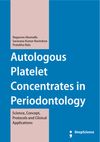
In this book, the authors provide an accessible overview of platelet concentrates and their dental applications, highlighting their role in tissue healing and regeneration, and reviewing recent studies on their efficacy in periodontal therapy, implant dentistry, and oral surgery.
 165 citations
,
September 2003 in “Toxicology and applied pharmacology”
165 citations
,
September 2003 in “Toxicology and applied pharmacology” This review discusses the pharmacology and toxicology of cyclooxygenase in skin, highlighting its role in inflammation, wound healing, and tumorigenesis, without presenting new clinical results.
 520 citations
,
January 2017 in “AIMS biophysics”
520 citations
,
January 2017 in “AIMS biophysics” This review discusses the effects of photobiomodulation, particularly its potential to reduce inflammation in various conditions, but it does not report new clinical findings.
 January 2025 in “Cellular & Molecular Biology Letters”
 This review discusses how dysregulated levels of eicosanoids, which are metabolites of phospholipids, may contribute to skin diseases like psoriasis and atopic dermatitis, suggesting the importance of targeted eicosanoid control in diagnosis and treatment.
39 citations
,
January 2021 in “BioMed Research International” This review explores the variability in platelet-rich plasma therapy outcomes across different medical applications, attributing disparities to inconsistent blood processing methods, and it reports no new clinical results.
 February 2026 in “MDPI (MDPI AG)”
 This narrative review synthesizes findings suggesting that exosomes show promise for dermatological and regenerative applications, with early human studies indicating acceptable safety and potential benefits for wound care, rejuvenation, and alopecia, though clinical and regulatory development is still in its infancy.
 August 2026 in “Molecular Biomedicine”
 This review outlines the design and engineering of multifunctional hydrogels, emphasizing their evolving biomedical applications, notably in controlled drug delivery, tissue support, and disease management, and discusses their potential for clinical translation.
 March 2026 in “Molecules”
 This review reports that Dang Gui (Radix Angelica sinensis) possesses bidirectional immunoregulatory effects, enhancing immune cell proliferation and function, and may benefit immune-related diseases such as cancer and anemia. It also evaluates regulatory and safety aspects, aiming to guide future research and clinical use.
September 2025 in “Plants” In this study, the wood essential oil of *Juniperus morrisonicola* exhibited significant anti-inflammatory activity, notably inhibiting nitric oxide production in stimulated macrophages, and showed cytotoxic effects against liver cancer cells, suggesting its potential for drug development and eco-friendly applications.