 1 citations
,
May 2023 in “Frontiers in Endocrinology”
1 citations
,
May 2023 in “Frontiers in Endocrinology” This research suggests that autism's genetic links are partially related to factors influencing physiological sex differences, with rare variants interacting with placental sex differences and common variants affecting steroid-related traits.
1 citations
,
April 2022 in “Frontiers in Bioengineering and Biotechnology” This study found that mouse astrocytes formed cell spheres on agarose surfaces, acquired stem cell-like features, and their derived stem cells effectively differentiated into neurons that helped regenerate damaged nerves.
 1 citations
,
February 2022 in “Clinical, Cosmetic and Investigational Dermatology”
1 citations
,
February 2022 in “Clinical, Cosmetic and Investigational Dermatology” In this study, researchers found that the thyroxine receptor agonist TDM10842 accelerated the onset of anagen, a hair growth phase, in C3H mice, potentially through activation of the Wnt/beta-catenin and Hedgehog pathways, with Pclaf playing a key role in this process.
1 citations
,
January 2021 in “IntechOpen eBooks” This chapter reviews the prevalence, symptoms, and management of Polycystic Ovarian Syndrome, highlighting the potential role of certain medicinal plants in its treatment but reporting no new clinical results.
 August 2026 in “Immunity & Inflammation”
 In this review, the authors discuss how niche-specific immunometabolic regulation influences tissue repair across various organs by highlighting the complex, context-dependent interaction between immune metabolism and tissue-specific regenerative outcomes.
August 2026 in “Cell Biomaterials” D-chiral biomaterial scaffolds enhance tissue and hair regeneration by activating the body's immune system.

This review summarizes how single-cell omics technologies have advanced understanding of cellular regulatory programs in sheep and goats, but highlights limitations in genomic annotation and integration with population genetics for molecular breeding.

This review synthesizes current advances in transcriptomics and RNA regulatory networks, alongside stem cell-derived skin organoid research, to propose a conceptual framework for understanding and potentially guiding regenerative skin repair, without claiming clinical readiness.
 April 2026 in “Microorganisms”
 This study suggests that Staphylococcus capitis ferment filtrate (SCFF) may promote hair growth and scalp health by modulating pathways related to hair loss, aging, and oxidative stress in vitro.
December 2025 in “Current Issues in Molecular Biology” This study evaluated novel steroids' potential as future hormonal therapies for neuroprotection in glucose disorders, but emphasized that further research is needed to optimize androgen antagonist use in the context of COVID-19 progression.
December 2025 in “The Journal of Cell Biology” This study found that keratin 15 lacks the ability to sequester YAP1 in keratinocytes effectively, unlike keratin 14, and suggests that a higher K15:K14 ratio may promote a progenitor state and inhibit differentiation in epidermal keratinocytes.
This study found that switching juvenile mice from a high-fat, high-carbohydrate diet to a control diet optimally reduced hormonal imbalances and weight, with nutraceuticals offering partial support.
September 2025 in “Cell Reports” This study found that a single instance of acute skin stretching can enhance immune surveillance and improve vaccine delivery by increasing skin permeability and promoting immune cell recruitment without causing tissue damage.
July 2025 in “Bioactive Materials” This review summarizes advancements in biomedical engineering for hair follicle regeneration, highlighting strategies like cell transplantation and tissue engineering to reconstruct hair follicles, and discusses both their technical limitations and potential future innovations in regenerative medicine.
This study conducted a genome-wide association analysis on 1,125 ewes and identified 24 SNPs associated with wool production traits, and highlighted potential candidate genes like ADAR and TP53 for further research into the genetic mechanisms influencing wool growth in sheep.
June 2025 in “Cell Metabolism” This study found that dietary serine levels influence hair follicle stem cells' ability to balance hair regeneration and wound repair, offering insights for potential interventions to accelerate wound healing.
 May 2025 in “International Journal of Molecular Sciences”
 This study found that exosomes and secretome derived from rat hair follicle stem cells show promising potential for wound healing and tissue repair, demonstrating significant wound closure and suggesting their broader applicability in regenerative medicine.
February 2025 in “Biochemistry” This review summarizes the potential therapeutic applications of stem cells in dermatology, emphasizing their role in restorative and regenerative treatments through injections, topical applications, and scaffolds, supported by advancements in laboratory processes and quality control.
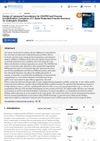 November 2023 in “ACS Omega”
 This study reported that a novel cationic liposome formulation for delivering encapsulated Cas9 protein and sgRNA successfully decreased SRD5α2 mRNA expression by 29.7% in vitro, suggesting a potential alternative treatment option for conditions like prostate cancer and benign prostatic hyperplasia without current drug side effects.
 August 2023 in “International Journal of Molecular Sciences”
 This review discusses the use of human-to-mouse xenografting to study human skin processes in vivo, highlighting its importance for understanding skin regeneration and pathology while identifying knowledge gaps and challenges in applying these findings to human skin.
 February 2023 in “Frontiers in Endocrinology”
 In this study, prenatal androgen exposure was linked to altered sexual behaviors in both male and female mice, with specific effects on mounting and lordosis behaviors.
 May 2022 in “Clinical Epigenetics”
 This study found that maternal early-pregnancy serum ferritin concentrations were associated with lower DNA methylation levels at specific CpG sites in cord blood, with some associations persisting into childhood.
 September 2021 in “Physiology News”
 This abstract provides template specifications for design materials but reports no new research findings.
 June 2020 in “Journal of genetic medicine”
 This article reviews neuroendocrine abnormalities in polycystic ovarian syndrome and reports no new findings, highlighting areas such as the hypothalamus-pituitary axis and genetic basis.
 9 citations
,
July 2021 in “Essays in Biochemistry”
9 citations
,
July 2021 in “Essays in Biochemistry” This review discusses the roles of steroid hormone receptors in lung function related to COVID-19 and outlines ongoing clinical trials of steroid receptor ligands, but reports no new results.
 8 citations
,
December 2022 in “Nature Reviews Endocrinology”
8 citations
,
December 2022 in “Nature Reviews Endocrinology” This review discusses the roles of sex hormones in COVID-19 progression and highlights conflicting evidence on their protective effects and the complexity of sex and gender influences on the disease.
55 citations
,
April 2022 in “Frontiers in Immunology” This review examines the role of cholesterol metabolism in coronavirus infections, discussing its potential as a target for antiviral strategies and a marker for monitoring infection status, but presents no new results.
54 citations
,
March 2012 in “International Journal of Andrology” This study found that prenatal exposure to certain pesticides may lead to earlier breast development in girls, potentially associated with higher androgen levels.
21 citations
,
August 2024 in “Journal of Animal Science and Biotechnology/Journal of animal science and biotechnology” This paper reviews the advancements and applications of single-cell transcriptomics in animal research, highlighting its potential to enhance understanding of animal nutrition, health, genetics, and disease models.
21 citations
,
May 2024 in “American Journal of Medical Genetics Part A” This study observed that among patients with Myhre syndrome, those with the SMAD4 gene variant p.Arg496Cys experienced fewer symptoms like hearing loss, while those with the p.Ile500Thr variant often had severe aortic hypoplasia, highlighting the diverse symptom progression and genetic factors of this rare condition.