3 citations
,
January 2025 in “Journal of the American Academy of Dermatology” Early diagnosis and a multidisciplinary approach are crucial for managing Frontal Fibrosing Alopecia.
 May 2021 in “The FASEB Journal”
 This study presents the crystal structure of human SRD5A2 with finasteride and reveals insights into its enzyme catalysis and inhibition mechanisms, which may inform drug development.
 September 2017 in “Journal of Investigative Dermatology”
 This study found that infrared thermography might be a useful non-invasive tool to help diagnose frontal fibrosing alopecia by identifying active phases of the disease.
 November 2023 in “International Journal of Pharmaceutics”
 This study reported that a novel ionic liquid delivery system combining ferulic acid and finasteride enhanced the solubility, skin permeation, and effectiveness in promoting hair regrowth in androgenetic alopecia mice, suggesting an improved topical treatment approach.
 1 citations
,
January 2016 in “Journal of Microbial & Biochemical Technology”
1 citations
,
January 2016 in “Journal of Microbial & Biochemical Technology” This study found that the free androgen index (FAI) is a superior marker of hyperandrogenism in men with premature androgenetic alopecia compared to DHEAS and testosterone levels.
19 citations
,
September 2022 in “Frontiers in Plant Science” This study found that the AabHLH112 transcription factor positively regulates the biosynthesis of β-caryophyllene, epi-cedrol, and β-farnesene in Artemisia annua.
This study found that fibroblast growth factor 20 (Fgf20) orchestrates the movement and behavior of dermal fibroblasts, directing their formation into dermal condensates during hair follicle development in mice.
 June 2024 in “Journal of Clinical Oncology”
 In this retrospective study, combining TACE with Donafenib showed promising results as a first-line treatment for Chinese patients with unresectable hepatocellular carcinoma, yielding a median progression-free survival of 12.8 months and a one-year overall survival rate of 87.5%, along with a favorable safety profile.
 November 2022 in “The journal of investigative dermatology/Journal of investigative dermatology”
 This study generated a transcriptomic map of human hair follicles, identifying compartment-specific gene expression profiles that can aid in developing targeted therapies for hair follicle disorders.
September 2026 in “Aging Cell” This study found that knocking down SFRP2 in an AGA model improved hair regeneration and reduced cellular dysfunction, suggesting that targeting the SFRP2-FSTL1 axis could be a promising therapeutic strategy for androgenetic alopecia.
 2 citations
,
July 2022 in “Frontiers in Medicine”
2 citations
,
July 2022 in “Frontiers in Medicine” This review discusses the current understanding of frontal fibrosing alopecia's pathogenesis, highlighting genetic susceptibility, immune response involvement, and possible links to steroid hormones, but reports no new clinical results.
2 citations
,
December 2024 in “Microscopy Research and Technique” This study introduced a novel microscopy system using an Er3 + −doped femtosecond fiber laser, achieving detailed imaging of biological structures in plant and skin samples with improved spatial resolution for various applications, including in vivo imaging.
17 citations
,
September 2022 in “Biomaterials Research” This study found that the film-trigger applicator system enhanced drug delivery efficiency and skin penetration of dissolving microneedles compared to traditional patch systems in both lab and animal models.
 September 2013 in “Hair transplant forum international”
 This abstract describes frontal fibrosing alopecia, a type of cicatricial alopecia identified in post-menopausal women, and reports no new clinical findings.
January 2011 in “Anhui nongye kexue” This study reports that the recombinant expression vector pcDNA3.1-KK demonstrates specific expression in the skin of newborn mice.
2 citations
,
June 2021 in “Sultan Qaboos University medical journal” This case report presents three sisters with familial frontal fibrosing alopecia, making it the 25th documented familial case, with treatment results observed in one sister.
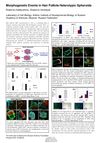
This study found that hyaluronic acid increased the size of hair follicle germ-like aggregates and the number of proliferative cells but did not maintain specific markers during the process.
 November 2022 in “Journal of Investigative Dermatology”
 This study found that stimulating the olfactory receptor OR2A4/7 with cyclohexyl salicylate promoted human hair growth and increased progeny of hair follicle epithelial stem cells in an ex vivo setting.
4 citations
,
December 1989 in “The Journal of Dermatology” This study suggests that the amino acid composition of fibrous proteins in normal human hair is similar to that of stratum corneum proteins, particularly in cysteine and glycine content.
288 citations
,
January 2001 in “Journal of Biological Chemistry” In this study, the disruption of Gh/tissue transglutaminase in mice did not affect viability but reduced thymocyte viability and fibroblast adhesion, suggesting its role in cell stabilization and extracellular matrix interactions.
 20 citations
,
September 2015 in “Protein expression and purification”
20 citations
,
September 2015 in “Protein expression and purification” This study demonstrated that safflower seeds can be engineered to express oleosin-FGF10, which showed a dose-dependent effect on cellular proliferation, potentially facilitating scalable protein production.
 13 citations
,
August 2002 in “Dermatologic Surgery”
13 citations
,
August 2002 in “Dermatologic Surgery” This paper introduces Follicular Unit Extraction and reports the FOX Test can identify suitable candidates, with about 25% of patients being ideal and 35% being good candidates for the procedure.
 45 citations
,
November 2017 in “Biomaterials”
45 citations
,
November 2017 in “Biomaterials” This study demonstrated a method for large-scale preparation of self-sorted hair follicle germs in vitro, which successfully generated hair follicles when transplanted into the skin of nude mice.
In this study, Fgf20 was found to trigger movement and morphogenesis in dermal fibroblasts, facilitating dermal condensate formation essential for hair follicle development.
 February 2026 in “International Journal of Nanomedicine”
 This study found that controlled release of hIGF-1 from TF/hIGF-1 effectively enhanced re-epithelialization and granulation tissue formation in diabetic wounds in animal models compared to controls, suggesting a promising approach for diabetic wound treatment.
74 citations
,
April 2017 in “JEADV. Journal of the European Academy of Dermatology and Venereology/Journal of the European Academy of Dermatology and Venereology” This study classified frontal fibrosing alopecia patients into three clinical patterns, finding that pattern III had the best prognosis and pattern II the worst after treatment with dutasteride and corticosteroids.
In this case report, topical application of fluocinolone acetonide acetate ointment increased hair length and thickness in three family members with congenital hypotrichosis.
 8 citations
,
March 2016 in “Hair transplant forum international”
8 citations
,
March 2016 in “Hair transplant forum international” This article discusses hair angle manipulation using the Mega FUE® device but reports no clinical results; disclosure of the author's ownership of the manufacturing company is noted.
78 citations
,
August 2017 in “Endocrine Reviews” This review discusses the free hormone hypothesis for measuring "free" testosterone and critiques its theoretical basis and clinical application, noting it lacks critical empirical testing and has inconsistent utility in assessing androgen status.
 October 2024 in “Frontiers in Veterinary Science”
 This study identified key proteins, FKBP10 and FBN2, that promote the growth cycle of secondary hair follicles in cashmere goats, with higher expression in the anagen phase, offering insights into mechanisms potentially enhancing cashmere yield and quality.