 June 2026 in “Zenodo (CERN European Organization for Nuclear Research)”
 In this study, researchers developed a polyherbal hair oil formulation that demonstrated favorable physicochemical properties and benefits such as anti-dandruff, anti-hair fall, and hair growth-promoting effects, with formulation F2 identified as the optimal blend for herbal hair care.

This study developed and evaluated a polyherbal solid shampoo bar using natural ingredients like Amla, Soapnut, Hibiscus, and Aloe vera, and found it to be an effective, safe, and sustainable alternative to conventional hair care products, with good cleansing and lathering properties.
 December 2023 in “ACS Sustainable Chemistry & Engineering”
 Keratin can be successfully taken from human hair using a mix of choline chloride and ethanolamine.
7 citations
,
May 2022 in “Indonesian Journal of Science and Technology” This study found that compounds isolated from the Etlingera alba rhizome exhibited cytotoxic and anti-metastatic activity, with potential for development against Triple-Negative Breast Cancer.
 June 2026 in “Zenodo (CERN European Organization for Nuclear Research)”
 This study developed a poly-herbal shampoo using ingredients like neem and amla, reporting it has good cleansing action, strengthens hair, and reduces dandruff, offering an effective and safe alternative to synthetic shampoos without significant side effects.
 December 2021 in “International research journal of pharmacy”
 This study evaluated the physicochemical properties of Neelibhringadi keratailam and found significant variations in market samples compared to a prepared sample, indicating potential quality control issues.
 May 2026 in “Zenodo (CERN European Organization for Nuclear Research)”
 In this study, researchers developed a herbal mehendi gel using natural plant-based ingredients aimed at providing sustainable hair coloring and scalp care. The formulation demonstrated beneficial properties including natural hair coloring, scalp conditioning, antimicrobial activity, antioxidant action, and safety with no observed skin irritancy.
 1 citations
,
January 2020 in “International journal of research in pharmacy and chemistry”
1 citations
,
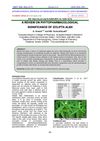
January 2020 in “International journal of research in pharmacy and chemistry” This review provides an overview of the ethnomedicinal uses, chemical composition, and pharmacological profile of Eclipta alba Hassk and presents no new clinical findings.
1 citations
,
November 2023 in “Journal of Innovations in Applied Pharmaceutical Science (JIAPS)” In this study, researchers developed a neem oil-based emulgel showcasing anti-dandruff properties with controlled dual release, observing formulation F5 providing a 65.27% release after 8 hours and the highest antifungal inhibition against Candida albicans.
January 2020 in “Ayurline: IJ-RIM” This study found that Eclipta alba Hassk. (Bhrungraj) significantly inhibited the growth of human liver cancer cells, suggesting its potential as an anticancer agent.
 13 citations
,
April 2019 in “American Journal of PharmTech Research”
13 citations
,
April 2019 in “American Journal of PharmTech Research” In this study, researchers highlighted that emulgels, a combination of emulsions and gels, offer a novel topical delivery method for hydrophobic drugs, possessing attributes such as easy spreadability and bio-friendliness, making them suitable for conditions like acne, fungal infections, and psoriasis.
 4 citations
,
November 1968 in “Textile research journal”
4 citations
,
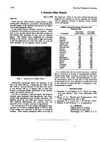
November 1968 in “Textile research journal” Hair fibers may have a unique, non-protein sheath not previously identified.
 December 2022 in “Proceeding Bengkulu International Conference on Health”
 This study concluded that a 5% concentration of celery extract in hair gel provided the best preparation characteristics, including standard parameters for organoleptic properties and spreadability.
June 2008 in “Alcoholism Clinical and Experimental Research” This study discusses how chronic ethanol exposure and withdrawal affect GABAA receptor subunit expression and function, finding that some changes can be selectively blocked by certain drugs like diazepam and finasteride.
 June 2017 in “Journal of Traditional and Folk Practices”
 This study enumerates the traditional uses of Begonia malabarica by tribes in Tamil Nadu, where it is reported to be used for treating a variety of ailments, with further research planned to evaluate its biological potential.
 May 2026 in “Zenodo (CERN European Organization for Nuclear Research)”
 This research formulated and evaluated a multipurpose herbal liquid shampoo using plant-based extracts, which showed good cleansing action, medium foaming, and caused no skin irritation, suggesting it to be a safe alternative to synthetic shampoos.
 October 2024 in “International Journal For Multidisciplinary Research”
 This review highlights that Wedelolactone, a compound in Eclipta prostrata, appears to be a potent antioxidant and selective modulator of proteins linked to chronic diseases, suggesting further research into its pharmacological effects is warranted according to the examined data.
3 citations
,
January 2019 in “Research journal of pharmacy and technology” This study found no significant differences in hair growth between two formulas of hair tonic from meniran extract, one with a menthol enhancer, despite variations in hair length and weight measurements.
 February 2023 in “Ankara Üniversitesi Veteriner Fakültesi dergisi”
 This case report is the first to document ethylene glycol toxicity in livestock calves in Türkiye, providing insights into clinical signs and pathological findings associated with this type of poisoning.
June 2026 in “Value in Health”  8 citations
,
June 2021 in “Frontiers in Bioengineering and Biotechnology”
8 citations
,
June 2021 in “Frontiers in Bioengineering and Biotechnology” This study investigated the effects of the 60% alcohol extract from Alnus sibirica and its active compound, oregonin, on hair health, observing anti-oxidative and anti-apoptotic benefits in human hair dermal papilla cells exposed to oxidative stress, suggesting potential as natural materials for hair loss prevention.
10 citations
,
March 2010 in “Journal of Food Biochemistry” This study found that Sithong-bao seed coat extract, with high phenolic content, exhibited the strongest antioxidant properties among certain Thai tamarind cultivars, suggesting potential for nutraceutical development.
 March 2026 in “Zenodo (CERN European Organization for Nuclear Research)”
 This study describes the formulation of a herbal shampoo using plant extracts like Aloe vera, Hibiscus, and Amla, and reports that it demonstrated desirable attributes such as cleansing and hydrating effects, making it a suitable alternative to conventional synthetic shampoos.
 January 2025 in “International Journal For Multidisciplinary Research”
 In this study, the researchers developed and evaluated eco-friendly poly-herbal soap strips using plant extracts from Lantana camara, Moringa Oleifera, and Corn silk, finding that the strips exhibited superior physicochemical properties and significant anti-fungal activity compared to conventional anti-fungal soaps.
 January 2019 in “International Journal of Herbal Medicine”
 This study concluded that a hair emulgel formulation combining extracts from four medicinal plants demonstrated desirable characteristics of spreadability, viscosity, pH, and safety, making it effective, harmless, and economical for potential hair care use.
 2 citations
,
July 2017 in “Deleted Journal”
2 citations
,
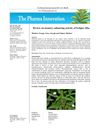
July 2017 in “Deleted Journal” This review discusses the memory enhancing activity of the ethanolic extract of Eclipta alba and reports no new clinical results.
2 citations
,
January 2012 in “STARS (University of Central Florida)” This study suggests that using stable isotope analysis on various tissues can effectively reconstruct individual life histories, providing insights into both the individual and broader population from the Romano-Christian period in Egypt.
January 2023 in “Indian Journal of Forensic and Community Medicine” This report describes two cases of thallium poisoning with gastrointestinal symptoms, peripheral neuropathy, and alopecia, which were effectively treated using activated charcoal, potassium chloride, and hemodialysis.
 January 2025 in “AAPS PharmSciTech”
 Transethosomes improve drug delivery through the skin and show promise for treating various conditions.
 September 2021 in “Han'gug mi'saengmul saengmyeong gong haghoeji/Han-guk misaengmul saengmyeong gonghak hoeji”
 This study found that an ethanolic extract from the microalga Tetrathelmis tetrathele exhibited anti-inflammatory effects, promoted the proliferation of certain skin and hair cells, and inhibited 5α-reductase activity, suggesting its potential as a therapeutic agent for preventing alopecia and enhancing scalp health.