Search
for
Sort by
Research
390-420 / 1000+ results
research 924 Efficient genome editing using CRISPR/Cas9 ribonucleoprotein approach in iPS cells for recessive dystrophic epidermolysis bullosa
This study demonstrated that gene-corrected 3D skin constructs from RDEB patient-derived iPSCs, grafted onto immunocompetent mice, showed normal collagen VII expression after two months.

research URB expression in human dermal papilla cells
This study identified a gene transcript overexpressed in dermal papilla cells, showing strong similarity to a mouse gene associated with adipose tissue in bombesin receptor subtype-3-deficient mice.
research 604 DNA dioxygenases TET regulate keratin gene expression and enhancer networks within lineage-specific gene loci during epidermal and hair follicle-specific keratinocyte differentiation
In this study, researchers found that the deletion of Tet2/3 enzymes in mice led to changes in skin development and hair follicle differentiation, ultimately causing hair loss and altered gene expression.
research D’orenone blocks polarized tip growth of root hairs by interfering with the PIN2‐mediated auxin transport network in the root apex
This study found that D'orenone blocks root hair growth by increasing PIN2 protein abundance, leading to reduced auxin concentration, but external auxin can reverse these effects.
research NUDT15 R139C-related thiopurine leukocytopenia is mediated by 6-thioguanine nucleotide-independent mechanism in Japanese patients with inflammatory bowel disease
This study reported that the NUDT15 R139C genetic variant was significantly associated with thiopurine-induced leukocytopenia in Japanese inflammatory bowel disease patients, independent of 6-thioguanine nucleotide levels.

research ADAM17 variant causes hair loss via ubiquitin ligase TRIM47 mediated degradation
In this study, researchers discovered a dominant variant in the ADAM17 gene that causes hypotrichosis with woolly hair, where the mutation leads to hair follicle stem cell exhaustion and abnormal hair follicles, resulting in alopecia.

research High-throughput and direct measurement of androgen levels using turbulent flow chromatography liquid chromatography-triple quadrupole mass spectrometry (TFC-LC-TQMS) to discover chemicals that modulate dihydrotestosterone production in human prostate cancer cells
This study developed a high-throughput method that identifies bioactive chemicals influencing DHT production in prostate cancer cells, with potential nutraceutical candidates including fucoxanthin, phenethyl caffeate, and Curcuma longa L. extract.
research Engineering MMP9-Responsive Antioxidative Micelle-Hydrogel Dressings for Sequential Inflammatory Remodeling and Pro-Angiogenesis in Diabetic Wound Healing
In this study, researchers created a hydrogel that reduces oxidative stress and releases a pro-angiogenic drug in response to enzyme activity, which accelerated healing and improved tissue regeneration in chronic diabetic wounds during in vivo experiments.
research Control of lice infestation in horses using a 10 mg/mL deltamethrin topical application
In this study, a single application of a 10 mg/mL deltamethrin-based solution effectively reduced lice infestations by 98% to 100% in treated horses and prevented new infestations for up to a month, without adverse events reported.
research The Effects of Transdermal Dihydrotestosterone in the Aging Male: A Prospective, Randomized, Double Blind Study
Dihydrotestosterone gel improved well-being and sexual function in older men without negatively affecting prostate health.
research Ligand‐independent Regulation of the hairless Promoter by Vitamin D Receptor†
This study suggests that the vitamin D receptor and hairless gene may directly regulate each other via a transcriptional mechanism, potentially explaining phenotypic similarities between atrichia and VDRRIIa rickets.
research Identification of a Rare Variant in the SRD5A2 Gene in Siblings With 46,XY Disorders of Sexual Development
The researchers identified a pathogenic variant in the SRD5A2 gene among siblings with 46,XY disorder of sexual development, highlighting the importance of comprehensive genetic testing in diagnosis and management.
research The Region Coding for the Helix Termination Motif and the Adjacent Intron 6 of the Human Type I Hair Keratin Gene hHa2 Contains Three Natural, Closely Spaced Polymorphic Sites

research Molecular docking of Vitamin D3 Receptor (VDR) with potential herbal substance as ligand to prevent excessive hair loss in menopausal women
This in-silico study identified several compounds as potential Vitamin D Receptor agonists, with Dolichosterone showing the strongest binding energy.
research Antihormonal properties of some new A-homo-B, 19-dinor steroids of the androstane series
The researchers reported that compounds 11 to 13 derived from Westphalen-type steroids showed strong antiandrogenic activity in vivo, though their effects could not be attributed to 5α-reductase inhibition or androgen receptor binding.
research A unique insertion/duplication in the VDR gene that truncates the VDR causing hereditary 1,25-dihydroxyvitamin D-resistant rickets without alopecia
This study describes a patient with hereditary vitamin D resistant rickets (HVDRR) who, despite having a truncated vitamin D receptor, did not exhibit typical hair or skin abnormalities, suggesting possible compensation via interactions with other proteins.
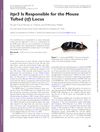
research Itpr3 Is Responsible for the Mouse Tufted (tf) Locus
This study identified the Itpr3 gene as responsible for the tufted hair loss phenotype in the BTBR mouse strain.

research 1392 Dkk4 regulates Wnt-dependent hair formation and pattern
This study demonstrated that a combination of four types of honey significantly improved hair integrity, porosity, and surface roughness after exposure to UV-A and pollution stress.
research The Dutasteride: Miraculous Drug in Alopecia Treatment A Review
This review paper provides a comprehensive overview of Dutasteride, detailing its pharmacological properties, mechanisms, and therapeutic applications, particularly for androgenetic alopecia and benign prostatic hyperplasia, and discusses its potential use in prostate cancer prevention and transgender medicine.
research 09-P004 Two populations of endochondral osteoblasts with differential sensitivity to Hedgehog signaling
research A mouse with bad hair and poor taste
This study identified a nonfunctional Itpr3 gene in BTBR mice, attributed to a 12-bp deletion, which likely causes their simultaneous hair loss and taste perception deficits.

research Two mutations at KRT74 and EDAR synergistically drive the fine-wool production in Chinese sheep
In this study, researchers identified two genetic mutations associated with producing finer and denser wool in fine-wool sheep, involving the genes KRT74 and EDAR, which may guide future breeding efforts to enhance wool quality.
research The Vitamin D Receptor Is a Wnt Effector that Controls Hair Follicle Differentiation and Specifies Tumor Type in Adult Epidermis
This study observed that the vitamin D receptor is crucial for hair follicle formation and altering tumor development in the Wnt signaling pathway, suggesting therapeutic potential for vitamin D analogues in related tumors.

research DSP c.6310delA p.(Thr2104Glnfs*12) associates with arrhythmogenic cardiomyopathy, increased trabeculation, curly hair, and palmoplantar keratoderma
A specific gene variant is linked to heart disease, increased heart muscle, curly hair, and thick skin on palms and soles.

research TLR9 activation in large wound induces tissue repair and hair follicle regeneration via γδT cells
This study found that toll-like receptor 9 plays a previously unrecognized role in sensing skin injury and influencing tissue repair and regeneration in adult mice by modulating γδT cell migration.
research Structure of human type II 5 alpha-reductase gene
This study details the isolation and characterization of the human type II 5 alpha-reductase gene, which may play a role in male pseudohermaphroditism, prostate cancer, and benign prostatic hyperplasia.
research [Effect of selective 5alpha-reductase inhibitor or/and testosterone undecanoate on the reproductive function of male rats].
This study suggests that the negative impact of high-dose Finasteride on male reproductive function may be mitigated by concurrent administration with TU.
research Incomplete Recovery of Erectile Function in Rat after Discontinuation of Dual 5‐Alpha Reductase Inhibitor Therapy
In this study using a rat model, discontinuing dutasteride improved some relaxant responses but did not fully restore erectile function, indicating a potential time-dependent detriment of the drug.

research Endocrine abnormalities in ring chromosome 11: a case report and review of the literature
This case study reports a rare instance of RC11 associated with precocious puberty, severe hyperandrogenism, insulin resistance, and type 2 diabetes, suggesting a possible link to 11q-syndrome.