6 citations
,
March 2024 in “Saudi Pharmaceutical Journal” This study found that a nano-cubosome formulation co-loaded with capsaicin and thiocolchicoside enhanced bioavailability and showed promising analgesic and anti-inflammatory effects in rats, potentially benefiting gout management through improved transdermal delivery.
646 citations
,
October 2015 in “Plant Cell & Environment” This review discusses how lipid signalling molecules are generated in plants and their role in responding to environmental stress, but it reports no new clinical results.
 August 2021 in “Research Square (Research Square)”
 This study found that BEO inhibited cell proliferation and inflammatory mediator release in a human keratinocyte acne model and reduced acne lesion severity in a rabbit model, suggesting its potential as a natural alternative to conventional acne treatments.
 May 2026 in “The Journal of Headache and Pain”
 In this study, researchers developed an enhanced rodent model of trigeminal neuralgia, demonstrating that structural and functional changes in the anterior cingulate cortex are linked to chronic pain and emotional disturbances, and chemogenetic inhibition of specific neurons could alleviate symptoms.
 165 citations
,
September 2003 in “Toxicology and applied pharmacology”
165 citations
,
September 2003 in “Toxicology and applied pharmacology” This review discusses the pharmacology and toxicology of cyclooxygenase in skin, highlighting its role in inflammation, wound healing, and tumorigenesis, without presenting new clinical results.
July 2023 in “LA Referencia (Red Federada de Repositorios Institucionales de Publicaciones Científicas)” This study evaluated the resin oil of Copaifera officinalis L., identifying 64 compounds and developing validated analytical methods for quality control, and formulated a stable pharmaceutical foam, laying groundwork for potential clinical applications of copaiba oil.
 30 citations
,
March 2001 in “Environmental Health Perspectives”
30 citations
,
March 2001 in “Environmental Health Perspectives” This review explores the significant impacts of hormonal changes within normal physiological ranges and suggests examining low-dose effects from chemicals disrupting hormonal activity; it presents no new clinical results.
 61 citations
,
September 2010 in “Fitoterapia”
61 citations
,
September 2010 in “Fitoterapia” This study found that the EtOAc extract of Tridax procumbens aerial parts significantly inhibited rat paw edema and COX enzyme activity, suggesting its potential anti-inflammatory properties.
November 2025 in “PLoS ONE” This study found that synthetic RNA and DNA trigger significant increases in certain chemokines in human keratinocytes, predominantly via NF-κB activation, without evidence of alternative splicing, suggesting other regulatory pathways may be involved.
32 citations
,
October 2015 in “Frontiers in Cellular Neuroscience” This study found that in male rat hippocampal slices, DHT is necessary for low frequency stimulation-induced long-term depression, while E2 synthesis is essential for high frequency stimulation-induced long-term potentiation.
6 citations
,
July 2016 in “Doklady Biochemistry and Biophysics” This study found that GD-23, a dipeptide ligand of TSPO, exhibited an anxiolytic effect in the elevated plus maze test, which was inhibited by selective neurosteroid synthesis inhibitors, suggesting a neurosteroidogenic mechanism.
 April 2020 in “The FASEB Journal”
 This study found that blocking the hypothalamic-pituitary-gonadal axis in male rats reduced baroreflex dysfunction and inflammation caused by endotoxemia, highlighting potential therapeutic benefits.
3 citations
,
September 2025 in “Neural Regeneration Research” This review discusses the roles of prostaglandins in the nervous system and their therapeutic potential for neurological diseases, noting their complex interactions with immune cells and signaling pathways.
61 citations
,
April 2018 in “Frontiers in endocrinology” This review discusses the local production and role of sex steroids in the hippocampal neurons of adult rodents and reports no new experimental findings.
 1 citations
,
June 2021 in “Biomolecules & Therapeutics”
1 citations
,
June 2021 in “Biomolecules & Therapeutics” In this study, researchers found that activating the delta opioid receptor with a specific agonist significantly promoted hair growth in mice, suggesting potential for developing new hair-loss treatments.

This simulation study found that higher cannabis exposure in a virtual population was associated with increased hair shedding severity and reduced follicular density, but these results are based on modeled data and cannot establish causal relationships.
32 citations
,
January 2022 in “Oxidative Medicine and Cellular Longevity” This study found that cedrol, administered orally, exhibited potential antiarthritic effects in rats by reducing inflammation, oxidative stress, and arthritis severity.
31 citations
,
March 2010 in “Molecular Endocrinology” This study identified that androgens increase calcium sensitization in mouse colonic smooth muscle by activating the Rho/Rho kinase pathway, highlighting its role in modulating muscle contractility.

This chapter explores the potential of phytochemicals in modulating human endocrine function, emphasizing the growing interest in plant-derived alternatives to synthetic medications for managing metabolic and hormonal disorders often linked to chemical exposures and lifestyle factors.
13 citations
,
December 2010 in “Pharmacology Biochemistry and Behavior” Inhibiting certain enzymes made female rats more sensitive to low-level pain.
 February 2024 in “Scientific Reports”
 In this study, cinnamic acid was found to enhance hair growth in human dermal papilla cells and hair follicle organoids by activating oxytocin signaling, suggesting its potential for developing hair growth-promoting products.
4 citations
,
January 2023 in “Marine Drugs” This review explores enzyme inhibitors from gorgonians and soft corals and highlights their potential industrial and biomedical applications, but it reports no new experimental results.
9 citations
,
July 2022 in “International Journal of Molecular Sciences” This study suggests that prenatal exposure to THC may negatively impact ovarian health in rats by altering miRNA expression, potentially leading to reproductive issues such as subfertility or premature reproductive senescence.
 11 citations
,
August 2007 in “Bioorganic & Medicinal Chemistry Letters”
11 citations
,
August 2007 in “Bioorganic & Medicinal Chemistry Letters” This study found that among the tested analogs, compound 4e was the most effective in inhibiting wax esters in vivo in the Golden Syrian hamster ear model.
33 citations
,
December 2017 in “Journal of neuroendocrinology” This study describes molecular mechanisms explaining how sex and stress steroids rapidly modulate dendritic spine formation in hippocampal neurons, suggesting recovery-like effects under steroid-depleted conditions compared to intact conditions.
37 citations
,
February 2010 in “Psychoneuroendocrinology” This study found that nuclear androgen receptors are not necessary for androgen self-administration, suggesting that plasma membrane receptors might be involved.
November 2003 in “Journal of Neurochemistry” This study suggests that the neurosteroid allopregnanolone may play a crucial role in how ethanol affects neurons related to alcohol addiction vulnerability.
 May 2024 in “Knowable Magazine”
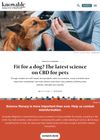
 This source reports that various studies and case reports suggest CBD may help pets with ailments like epilepsy, arthritis, and skin issues, though findings are inconsistent and further research is needed due to variable factors such as dosages and hemp product quality.
52 citations
,
May 2011 in “Journal of Neuroendocrinology” This study found that palmitoylethanolamide may stimulate allopregnanolone synthesis and reduce oxidative stress in astrocytes through PPAR-α activation, suggesting a neuroprotective role.
In this study, researchers synthesized the fictional compound 1-hydroxyindole and discovered its potential medical applications, including anti-aging properties, itch relief for atopic dermatitis, and as a stronger treatment for dementia compared to cilostazol. Additionally, they found that 1-methoxyindole derivatives function as anticancer agents in diets.