 20 citations
,
March 2019 in “Nutrients”
20 citations
,
March 2019 in “Nutrients” This study found that Rumex japonicus extract may help reduce symptoms of atopic dermatitis by inhibiting inflammatory responses in both cell cultures and a mouse model.
46 citations
,
August 2006 in “PubMed” In this study, researchers identified and examined males with 17 beta-HSD3 deficiency in a highly inbred Arab population, noting genetic findings and the progression of male characteristics despite being raised as females initially.
30 citations
,
August 2016 in “Skin research and technology” This study used 3D imaging to reveal age-related reductions in the volumes and connectivity of dermal papillae and rete ridges at the dermal-epidermal junction, which are not fully apparent in 2D examinations.
7 citations
,
January 1971 in “Archives of Dermatological Research”  April 2018 in “The journal of investigative dermatology/Journal of investigative dermatology”
 This study identified a novel mechanism by which dsRNA-induced TLR3 activation and retinoic acid pathways contribute to new hair follicle formation after deep wounds in mice and suggested a similar potential in humans.
 1 citations
,
May 2019 in “Cytotherapy”
1 citations
,
May 2019 in “Cytotherapy” This study found that digital droplet PCR (ddPCR) outperformed qPCR in detecting replication competent lentivirus in CAR-T products by offering better sensitivity, specificity, and reproducibility, making it a reliable and rapid method for ensuring patient safety.
 1 citations
,
May 2020 in “Beilstein Journal of Organic Chemistry”
1 citations
,
May 2020 in “Beilstein Journal of Organic Chemistry” This study developed a novel smart deoxyribozyme-based fluorescent sensor that efficiently detects androgen receptor mRNA with high selectivity and can be adapted to target various nucleic acid sequences.
1 citations
,
March 2022 in “Applied Sciences” This study found that fermented red ginseng marc alleviated atopic dermatitis-like symptoms in mice, demonstrating antioxidant and anti-inflammatory effects similar to those of dexamethasone.
 November 2023 in “Scientific reports”
 This study presents the first report on cloning and characterizing the full-length cDNA of SRD5A1 in Indian catfish (Clarias magur), revealing expression differences across reproductive phases and increased expression post-Ovatide administration in ovaries and testis.
January 2009 in “Yearbook of Endocrinology” DHEA therapy improves pubic hair growth and psychological well-being in young females with central adrenal insufficiency.
2 citations
,
February 2022 in “Preprints.org” This study found that fermented red ginseng marc alleviated skin lesions, reduced inflammation, and demonstrated antioxidant effects in an AD-like mouse model, suggesting potential therapeutic applications for atopic dermatitis.
 January 2024 in “Dermatologic Surgery”
 This abstract pertains to a dermatology-related academic profile without reporting any specific study findings. Results or research details are not provided.
 3 citations
,
January 1992 in “Clinical Pediatric Endocrinology”
3 citations
,
January 1992 in “Clinical Pediatric Endocrinology” This study observed wide clinical diversity among five patients with the same VDR gene mutation causing vitamin D-dependent rickets type II, suggesting involvement of a nuclear accessory factor and a nongenomic action of the vitamin.
 July 2016 in “The journal of investigative dermatology/Journal of investigative dermatology”
 This study concluded that a new model of reconstructed human epidermis using keratinocytes from plucked hair follicles offers a less-invasive alternative to conventional skin-derived models for skin research.
 63 citations
,
November 1999 in “British journal of dermatology/British journal of dermatology, Supplement”
63 citations
,
November 1999 in “British journal of dermatology/British journal of dermatology, Supplement” This study observes the expression of mRNA for androgen receptor, 5α‐reductase, and 17β‐hydroxysteroid dehydrogenase in human dermal papilla cells.
 November 2018 in “Annals of oncology”
 This study found that the computer-controlled RV-01 scalp cooling device helped prevent significant hair loss in metastatic breast cancer patients treated with eribulin, with none of the 16 patients requiring a wig and experiencing minimal discomfort.
7 citations
,
January 2009 in “DOAJ (DOAJ: Directory of Open Access Journals)” This study found that D-004, a hexanic extract from the Cuban royal palm fruit, did not cause genotoxic effects in male germ cells of mice over an 8-week period.
 2 citations
,
March 2015 in “Toxicology and Environmental Health Sciences”
2 citations
,
March 2015 in “Toxicology and Environmental Health Sciences” This study found that rice bran supercritical CO₂ extract was classified as a non-irritant for ocular use but a moderate irritant for dermal use in rabbits and guinea pigs.
 January 2022 in “Asian journal of Current Research in Clinical Cancer”
 This study reviews the potential of dibenzo derivatives as safer cancer treatments but finds conflicting evidence about their effectiveness, possibly due to structural differences among the compounds, and reports no new results.
 August 2023 in “MPPKI (Media Publikasi Promosi Kesehatan Indonesia) : The Indonesia journal of health promotion”
 In this study, researchers used a UV-Vis Spectrophotometer to qualitatively and quantitatively analyze Dutasteride residues in human plasma, achieving a total recovery rate of 64.992%, and determined that the BTB reagent effectively selected compounds not analyzed in their research.
26 citations
,
January 1992 in “Carcinogenesis” This study suggests that chronic treatment with TPA in mouse skin selectively expands a keratinocyte subpopulation hyperinducible for ODC, which may be a key target for neoplastic transformation.
 November 2023 in “The journal of investigative dermatology/Journal of investigative dermatology”
 This study found that engineered high-affinity soluble CD200R agonists, including ARQ-234, showed superior efficacy in reducing immune responses in various preclinical models of inflammatory conditions, suggesting potential as a therapeutic for atopic dermatitis and other related diseases.
 November 2022 in “The journal of investigative dermatology/Journal of investigative dermatology”
 This study used single-cell and spatial transcriptomic profiling to identify specific molecular markers in human follicular dermal papilla cells, enhancing understanding of their role in hair follicle development.
36 citations
,
June 2016 in “Journal of dermatological treatment” This study found that a combination of low-fluence Q-switched 1064 nm Nd:YAG laser, hydroquinone cream, and oral tranexamic acid showed promising results for Riehl’s melanosis in Asian patients, with no serious adverse events reported.
January 2021 in “Figshare” This study used Density Functional Theory to calculate finasteride's molecular properties, finding the GGA/PW91 method aligns well with experimental data and identifying key reactive sites for chemical interactions.
 49 citations
,
November 2014 in “Journal of Medicinal Food”
49 citations
,
November 2014 in “Journal of Medicinal Food” In this study, red ginseng extract and its ginsenosides enhanced human hair follicle cell proliferation and countered dihydrotestosterone-induced suppression, suggesting potential to promote hair growth.
 8 citations
,
July 1990 in “Archives of Dermatology”
8 citations
,
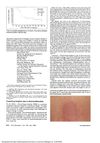
July 1990 in “Archives of Dermatology” This case report details a fixed-drug eruption in a woman linked to the use of dextromethorphan, marking it as a previously unreported skin reaction to this medication.
 13 citations
,
August 2007 in “Bioorganic & medicinal chemistry letters”
13 citations
,
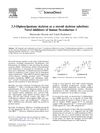
August 2007 in “Bioorganic & medicinal chemistry letters” This study developed a new competitive 5alpha-reductase inhibitor with an IC(50) of 0.84 microM using a novel chemical structure.
 9 citations
,
January 2018 in “Plastic and Reconstructive Surgery – Global Open”
9 citations
,
January 2018 in “Plastic and Reconstructive Surgery – Global Open” Using PDRN injections and RF treatments improved revision nose surgery results without major side effects.
 March 2021 in “Research Square (Research Square)”
 This study found that strontium ranelate may promote cartilage regeneration by enhancing chondrogenic differentiation and inhibiting the Wnt/β-catenin signaling pathway in rat models of cartilage defects.