 4 citations
,
December 2017 in “International journal of research in ayurveda and pharmacy”
4 citations
,
December 2017 in “International journal of research in ayurveda and pharmacy” This review discusses the traditional and pharmacological uses of Cuscuta reflexa, but it reports no new clinical results, calling attention to its potential antihypertensive, antidiabetic, and antioxidant properties.
 December 2021 in “Bandung Conference Series. Pharmacy”
 This literature review found that combinations of certain herbal extracts with coconut oil, such as Hibiscus rosa sinensis and Centella asiatica, promoted hair growth in animals over 30 days, with varied results across rat and rabbit models.
August 2021 in “Prosiding Farmasi” This literature review found that combining coconut oil with various herbal extracts can promote hair growth in rats and rabbits, with different combinations producing varying hair length increases over 18 to 30 days.
38 citations
,
March 2012 in “Zhongxiyi jiehe xuebao” This review discusses the pharmacognosy, phytochemistry, and medicinal uses of Cuscuta reflexa but reports no new experimental results.
 16 citations
,
September 2018 in “Journal of Ethnopharmacology”
16 citations
,
September 2018 in “Journal of Ethnopharmacology” This review discusses the role of inheritance, androgens, and microinflammation in androgenetic alopecia and suggests some plant-based folk remedies may help address these factors but reports no new clinical results.
 3 citations
,
May 2024 in “Journal of Drug Delivery and Therapeutics”
3 citations
,
May 2024 in “Journal of Drug Delivery and Therapeutics” This review examines the therapeutic potential of Aftimoon (Cuscuta reflexa), focusing on its pharmacological properties and traditional uses in Unani medicine for various ailments, and highlighting its range of biological activities, including antioxidant and anti-inflammatory effects.
 December 2022 in “International Journal of Advanced Research in Science Communication and Technology”
 This review highlights that while traditional cancer treatments like chemotherapy and radiation therapy come with significant side effects, plant-based medicines offer promising anticancer properties with fewer adverse effects, as endorsed by the World Health Organization.
 1 citations
,
March 2022 in “Journal of Ayurvedic and Herbal Medicine”
1 citations
,
March 2022 in “Journal of Ayurvedic and Herbal Medicine” This study documents the therapeutic uses of 15 plant species for various ailments in the Bondla area of Goa, drawing on knowledge from local healers and elderly residents.
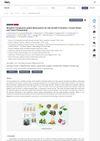
This review highlights various plant-based and herbal treatments that reportedly help prevent hair loss and encourage hair growth. It also explores the molecular mechanisms, identified plant compounds, recent technologies such as nanoarchitectonics, and patents related to hair growth promotion.
 August 2025 in “Fabad Journal of Pharmaceutical Sciences”
 This review highlights the potential medicinal benefits of Cuscuta reflexa, a parasitic plant known for its bioactive compounds, while emphasizing the need for further research to fully understand its therapeutic mechanisms and integrate its use into mainstream medicine.
 January 2012 in “Human health handbooks”
 This article explores the role of ethno-medicinal plants in hair growth and loss treatments but reports no new clinical findings, highlighting Ayurveda's long-standing use in addressing hair-related issues.
 1 citations
,
May 2017 in “InTech eBooks”
1 citations
,
May 2017 in “InTech eBooks” This study suggests that while complementary and alternative treatments for hair loss are becoming more popular, their effectiveness and mechanisms remain largely unverified.
 7 citations
,
September 2014 in “Beni-Suef University Journal of Basic and Applied Sciences”
7 citations
,
September 2014 in “Beni-Suef University Journal of Basic and Applied Sciences” This study found that ethanolic and petroleum ether extracts of Cuscuta reflexa, as well as an isolate from these extracts, improved hair growth and follicle characteristics in androgen-induced alopecia in rats.
 4 citations
,
July 2025 in “International Journal of Nanomedicine”
4 citations
,
July 2025 in “International Journal of Nanomedicine” This review explores nano-quercetin formulations to enhance the solubility, stability, and targeted delivery of quercetin, highlighting its potential efficacy in treating cancer, inflammation, metabolic diseases, and tissue regeneration, though challenges in biocompatibility, toxicity, and production remain, per this source.
 3 citations
,
January 2016 in “Elsevier eBooks”
3 citations
,
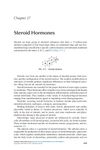
January 2016 in “Elsevier eBooks” This article discusses the various roles of steroids in vertebrate organ systems and notes several glucocorticoids that were among the Top 200 Drugs by sales in the 2010s, but it reports no new clinical findings.
 April 2025 in “Al-Rafidain Journal of Medical Sciences ( ISSN 2789-3219 )”
 In this study, researchers observed that Cuscuta reflexa extract mitigated inflammation and oxidative stress in testosterone-induced benign prostatic hypertrophy in Wistar rats, suggesting its potential as an adjunctive therapy for BPH.
 118 citations
,
December 2014 in “International Journal of Medical Sciences”
118 citations
,
December 2014 in “International Journal of Medical Sciences” This review discusses the potential of mesenchymal stem cells from the oral cavity for tissue regeneration in oral and maxillofacial surgery but reports no new clinical results.
 1 citations
,
March 2019 in “Konuralp tıp dergisi”
1 citations
,
March 2019 in “Konuralp tıp dergisi” This study examined dermatological conditions in people with multiple sclerosis and found nevus and hair diseases to be the most common, indicating the importance of comprehensive skin examinations for early diagnosis and treatment.
 January 2023 in “Annali di stomatologia”
 This review traces the development and application of Platelet-rich Plasma in regenerative medicine, emphasizing its role in tissue healing and bone regeneration, but reports no new clinical results.
 January 2017 in “Brazilian Journal of Pharmaceutical Sciences”
 This study identified neprilysin as a potential target of the pharmacological agent arteannuin, which may guide future research into its clinical applications, although experimental verification is needed.
 1 citations
,
April 2018 in “Our Dermatology Online”
1 citations
,
April 2018 in “Our Dermatology Online” This article discusses the familiarity of identifying male androgenetic alopecia but presents no new research findings.
8 citations
,
February 2025 in “Pharmaceuticals” This source reviews the potential of polyphenols as therapeutic and preventive treatments for common skin disorders such as acne, fungal infections, dermatitis, alopecia, and skin cancer, emphasizing their anti-inflammatory and antimicrobial effects and ability to penetrate the skin barrier.
40 citations
,
November 2021 in “International Journal of Molecular Sciences” This review highlights the role of keratin mutations in epidermolysis bullosa simplex and the resulting chronic inflammation, but it presents no new experimental findings.
7 citations
,
February 2020 in “Analytical and Bioanalytical Chemistry” 5 citations
,
May 2020 in “Clinical Phytoscience” In this study, methanol extract of Cuscuta reflexa leaves significantly reduced blood glucose and improved insulin and liver function in alloxan-induced diabetic rats, indicating potential as an antidiabetic and organ-protective agent.
4 citations
,
January 2004 This study found that while some extracts from DanGuiBoHyulTangGami-Bang showed potential in inhibiting 5-reductase type Ⅱ and had antioxidant activity, they were not effective in extending the hair growth period.
March 2023 in “Asian Journal of Beauty and Cosmetology” This study found that the herbal extract HX109 promoted hair growth in mice by increasing cell viability and enhancing hair regrowth, with the effects increasing as doses rose.
December 2025 in “Journal of the Bangladesh Agricultural University” This study documented 55 weed species at Daffodil International University, highlighting their ecological and cultural importance, with many species having recognized ethnobotanical uses such as hair growth and skin disorder treatments.
1 citations
,
April 1986 in “The Journal of Dermatology” This study found that a topical plant worm extract significantly accelerated hair regrowth in mice without apparent toxicity or side effects.
September 2023 in “Zenodo (CERN European Organization for Nuclear Research)” This source compiles information on Calotropis gigantea, an Asclepiadaceae plant used in traditional medicine for treating conditions like leprosy, asthma, vertigo, and hair loss, highlighting its diverse medicinal potential.