 35 citations
,
August 2001 in “Journal of Cutaneous Medicine and Surgery”
35 citations
,
August 2001 in “Journal of Cutaneous Medicine and Surgery” This paper reviews the use of tacrolimus for various conditions, noting its effectiveness in treating certain skin disorders but highlighting that some findings remain anecdotal due to limited case numbers.
 22 citations
,
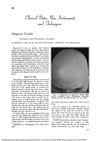
March 1963 in “Archives of dermatology”
22 citations
,
March 1963 in “Archives of dermatology” This case report describes hair regrowth in a patient with alopecia totalis using fluocinolone acetonide cream applied under thin plastic films.
 26 citations
,
March 2015 in “American journal of clinical dermatology”
26 citations
,
March 2015 in “American journal of clinical dermatology” This study found that systemic mycophenolate mofetil and topical clobetasol were equally effective at reducing lichen planopilaris activity over six months, but satisfaction differed between the treatments.
 October 2025 in “Iraqi postgraduate medical journal”
 This study observed that using fractional CO2 laser-assisted delivery of clobetasol propionate cream significantly improved treatment outcomes for localized alopecia areata compared to the cream alone, suggesting the laser's enhancing effect on hair regrowth.
November 2024 in “Advances in Pharmacology and Pharmacy” This study validated a UV-spectrophotometric method for accurately detecting Minoxidil and Tofacitinib citrate concentrations in bulk and gel formulations for alopecia areata, showing high recovery rates and indicating the method's suitability for routine analysis.
2 citations
,
January 2012 in “Journal of Clinical & Experimental Dermatology Research” This study found that adding fexofenadine to DPCP treatment in non-atopic Alopecia areata patients did not significantly improve hair regrowth, but it did significantly reduce treatment-related discomfort.
2 citations
,
January 2022 in “BioMed Research International” This study suggests that Gujian oral liquid may reduce osteoarthritis symptoms by regulating inflammation and catabolism through the TNF-α/NF-kappa B signaling pathway, as confirmed by both in vivo and in vitro experiments.
 1 citations
,
April 2017 in “Journal of Investigative Dermatology”
1 citations
,
April 2017 in “Journal of Investigative Dermatology” This study evaluated the effects of topical glucocorticoids on human skin using non-invasive imaging methods and observed changes such as alterations in skin layer thickness, keratinocyte size, and collagen and elastin signal intensity.
14 citations
,
March 2025 in “Nano Today” The hydrogel dressing speeds up and improves diabetic wound healing.
 1 citations
,
August 2023 in “Gels”
1 citations
,
August 2023 in “Gels” This study found that a chitosan-based hydrogel containing silver nanoparticles and ibuprofen demonstrated strong antibacterial activity and accelerated wound healing in vivo, suggesting its potential use in wound dressings.
September 2016 in “한국임상약학회지” In this study, ibuprofen, menthol, and cetirizine were found to potentially prevent or slow down damage to human dermal fibroblast cells caused by intermittent fever in early alopecia.
 4 citations
,
March 2019 in “Journal of Pure and Applied Microbiology”
4 citations
,
March 2019 in “Journal of Pure and Applied Microbiology” This study investigated the anti-inflammatory effects of a 940nm diode laser in Wistar rats with carrageenan-induced arthritis and found that a 74J/cm² energy density significantly reduced edema and restored function, whereas 171J/cm² neared thermal exposure limits for the skin.
 September 2025 in “ACS Applied Materials & Interfaces”
 The researchers reported that a newly developed photo-cross-linked hydrogel with multifunctional properties, including antimicrobial and antioxidant effects, significantly improved diabetic wound healing, achieving over 90% wound closure in seven days in vivo.
 June 2023 in “International Journal of Clinical Research and Reports”
 This study found that higher concentrations of topical diphenylcyclopropenone, especially when prepared with acetone, showed better stability over 6 months compared to lower concentrations.
 July 2025 in “Journal of the Pakistan Medical Association”
 In this study, intralesional triamcinolone acetonide combined with 5-fluorouracil was more effective for treating keloids, showing a good to excellent response in 95% of cases and fewer side effects, compared to triamcinolone acetonide alone, which achieved a 70% response rate.
 January 2024 in “International Journal of Dermatology Venereology and Leprosy Sciences”
 This literature review indicates that tofacitinib, both orally and topically, holds promise as a safe and effective treatment for various dermatological conditions in pediatric patients, though its use requires careful consideration of its benefits and risks.
 48 citations
,
January 2011 in “International journal of trichology”
48 citations
,
January 2011 in “International journal of trichology” This study found that intralesional triamcinolone acetonide was most effective for hair regrowth in localized alopecia areata, with betamethasone valerate foam also being beneficial, while tacrolimus ointment showed no significant effect.
99 citations
,
June 2011 in “Journal of biomedical materials research. Part A” This study observed that keratose hydrogels sustained ciprofloxacin release over three weeks and inhibited Staphylococcus aureus growth in vitro for 23 days and in mice for 2 weeks.
 79 citations
,
September 2018 in “Dermatologic therapy”
79 citations
,
September 2018 in “Dermatologic therapy” This study found that treatment with oral tofacitinib, alone or with other therapies, was associated with clinical improvement in most patients with recalcitrant lichen planopilaris.
September 2025 in “OPAL (Open@LaTrobe) (La Trobe University)” In this study, researchers developed a multifunctional hydrogel (FVP@CCN) that demonstrated over 90% wound closure in 7 days in diabetic wound models, thanks to its antibacterial, antioxidant, anti-inflammatory, and angiogenesis-promoting properties.
March 2025 in “International Journal of Trichology” This literature review found that Janus kinase inhibitors may help achieve remission in patients with refractory primary neutrophilic cicatricial alopecias, though data is limited to small case series and reports.
 March 2023 in “International journal of pharmaceutical sciences review and research”
 In this study, an Emulgel containing Tridax procumbens extract was formulated and found to have promising physical properties and antimicrobial activity for wound healing.
61 citations
,
January 2007 in “Indian Journal of Dermatology Venereology and Leprology” This study found that garlic gel significantly improved the efficacy of topical betamethasone valerate in treating alopecia areata compared to placebo.
 July 2026 in “Journal of Drug Delivery and Therapeutics”
 This study evaluated Finasteride-loaded nanostructured lipid carriers for topical use in treating androgenetic alopecia and found that these carriers offer sustained drug release and may reduce systemic side effects compared to oral administration.
January 2026 in “Vestnik dermatologii i venerologii” In this review, the authors report that tacrolimus ointment shows promise for expanding its use to a variety of skin conditions, beyond its current approval for atopic dermatitis, by analyzing clinical experiences of its application for rosacea, seborrheic dermatitis, psoriasis, and other dermatoses.
July 2026 in “Journal of Pharmacy and Pharmacology” In this study, gelatin methacrylate hydrogel dressings co-loaded with resveratrol, 18-β-glycyrrhetinic acid, and berberine showed enhanced capabilities in wound closure, infection clearance, and skin structure regeneration in mice with infected wounds compared to dressings with single agents.
 March 2026 in “Zenodo (CERN European Organization for Nuclear Research)”
 In this study, a polyherbal gel containing ingredients like Phyllanthus emblica and Melaleuca alternifolia was formulated to manage folliculitis, potentially offering a safe, effective alternative to conventional treatments by reducing microbial infections, relieving inflammation, and promoting healing.
 16 citations
,
December 2008 in “Journal of The American Academy of Dermatology”
16 citations
,
December 2008 in “Journal of The American Academy of Dermatology” This study found that adherence to topical hydrocortisone in adults with atopic dermatitis was inconsistent and not significantly different across different medication vehicles, though disease severity improved markedly within 2 weeks.
This study found that Dex-loaded hyaluronic acid hydrogel microneedles significantly reduced pain in an acute inflammatory visceral pain model without sedation, suggesting a promising and patient-friendly alternative to intravenous delivery.