September 2024 in “Colloids and Surfaces B Biointerfaces” This study found that cedrol nanoemulsions significantly promote hair follicle regeneration and reduce DHT levels in an androgenic alopecia mouse model, suggesting potential efficacy in AGA treatment.
25 citations
,
November 2012 in “Thermochimica Acta” This study found that lipid extraction increased water diffusion in wool and hair fibers; the effect was more pronounced in hair, indicating lipids are crucial for water permeability.
 15 citations
,
February 1999 in “The anatomical record”
15 citations
,
February 1999 in “The anatomical record” This study found that defective cross-linking in hair cuticles is observable in a minority of mouse hair mutants, suggesting different proteins are involved in cross-linking across cell types.
1 citations
,
August 2016 This study investigated the cytotoxic effects of DHA derivatives on cancer cell lines and found that didocosahexaenoin was the most potent, inducing apoptosis and producing reactive oxygen species in PC3 prostate carcinoma cells.
April 2026 in “JURNAL FARMASI DAN ILMU KEFARMASIAN INDONESIA” In this study, the researchers successfully developed a Spanlastic gel containing EGCG for transdermal application, significantly increasing EGCG skin permeability with optimal entrapment efficiency, zeta potential, and vesicle size.
143 citations
,
May 2022 in “Pharmaceuticals” This review discusses alginate-based delivery systems for probiotics, highlighting recent advances, challenges, and future directions, but reports no new clinical findings.

This abstract introduces TrichoFoam™, a new foaming vehicle for compounding pharmacies, designed to be a gentle, non-irritating option for alopecia treatment, acknowledging that current topical treatments are limited and oral products may cause adverse effects.
 1 citations
,
September 2019 in “Journal of Investigative Dermatology”
1 citations
,
September 2019 in “Journal of Investigative Dermatology” In this study, researchers used a CRISPR-based method to correct mutations in the COL7A1 gene in stem cells from RDEB patients, restoring normal collagen expression in engineered skin grafts in mice.
2 citations
,
November 2024 in “International Journal of Pharmaceutics X” In this study, desmopressin-loaded elastic liposomes (ODEL1) showed improved permeation and drug deposition across rat skin by altering the skin's cohesive energies and causing reversible changes on its surface.
 September 2024 in “Journal of Cosmetic Dermatology”
 In this study, researchers found that Ectoin, derived from halophilic bacteria, can mitigate stress-related skin damage by reducing cortisone's inhibitory effects on essential skin proteins and decreasing UVB-induced glucocorticoid activity, highlighting its potential as a preventative agent for stress-induced skin issues.
 87 citations
,
April 2018 in “Biochemical and Biophysical Research Communications”
87 citations
,
April 2018 in “Biochemical and Biophysical Research Communications” In this study, dermal papilla cell-derived exosomes accelerated hair follicle growth in mice, suggesting potential for treating hair loss by modulating key signaling pathways.
1 citations
,
January 2008  18 citations
,
January 2000 in “Food Science and Technology Research”
18 citations
,
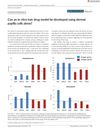
January 2000 in “Food Science and Technology Research” In this study, partially purified apple polyphenols were found to inhibit preadipocyte differentiation in mouse cells by reducing GPDH activity and triglyceride accumulation.
 3 citations
,
February 2021 in “Experimental dermatology”
3 citations
,
February 2021 in “Experimental dermatology” This study observed that using 3D dermal papilla microtissues enhances hair follicle regeneration and gene expression compared to 2D cultures, indicating their potential for hair growth drug screening.
19 citations
,
December 2006 in “Journal of Structural Biology” Type I and Type II keratin chains can form heterodimers despite sequence differences.
10 citations
,
February 2022 in “Pharmaceuticals” This study found that smaller curcumin nanocrystals (60 nm) enhanced transdermal and transfollicular penetration more effectively than larger sizes, influenced by particle size.
9 citations
,
March 2018 in “Journal of the Formosan Medical Association” In this study, chitosan membranes enhanced melanocyte proliferation and survival by supporting both cell-cell and cell-substrate interactions, unlike polyvinyl alcohol membranes which only facilitated cell-cell interactions.
 61 citations
,
April 2007 in “Journal of Pharmaceutical Sciences”
61 citations
,
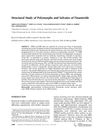
April 2007 in “Journal of Pharmaceutical Sciences” This study reported new crystallographic structures and polymorphs of finasteride, including several solvates with distinct X-ray diffraction patterns and thermally characterized properties.
 18 citations
,
January 2008 in “Sen'i Gakkaishi”
18 citations
,
January 2008 in “Sen'i Gakkaishi” This study observed that repeated perm treatments decrease disulfide bonds in hair due to their conversion largely into cysteic acid, affecting the waving efficiency depending on the reduction agent used.
 15 citations
,
February 2015 in “Cell & tissue research/Cell and tissue research”
15 citations
,
February 2015 in “Cell & tissue research/Cell and tissue research” This review examines the role of P-cadherin in skin and hair biology, emphasizing its importance in human hair growth, cycling, and pigmentation, and reports no new research findings.
67 citations
,
February 2022 in “International Journal of Molecular Sciences” This study developed a nanofiber wound dressing combining ciprofloxacin and tetracycline hydrochloride, which demonstrated strong antibacterial activity against E. coli and S. aureus and showed good biocompatibility with human skin fibroblast cells, indicating significant potential for wound healing applications.
8 citations
,
August 1993 in “Colloid & Polymer Science” This study argues that the reported "toughening" transition in keratin is a misinterpretation, actually representing the evaporation peak of residual water in the fibers.
 3 citations
,
December 2019 in “International Journal of Pharmacology”
3 citations
,
December 2019 in “International Journal of Pharmacology” This study found that Poria cocos extract may enhance human follicle dermal papilla cell proliferation through the AKT signaling pathway, indicating its potential for hair growth promotion.
21 citations
,
November 2015 in “Phytomedicine” This study found that glycyrrhizic acid significantly reduced stem cell characteristics of dermal papilla cells by down-regulating key signaling pathways, suggesting potential use in suppressing unwanted hair growth.
 46 citations
,
January 2008 in “Journal of cosmetic dermatology”
46 citations
,
January 2008 in “Journal of cosmetic dermatology” Caffeine and siloxanetriol alginate caffeine in emulsion form can reduce fatty cell size and number, potentially treating cellulite effectively.
 10 citations
,
December 2019 in “International journal of medicinal chemistry”
10 citations
,
December 2019 in “International journal of medicinal chemistry” In this study, researchers found that flavonoid glycosides extracted from Dicerocaryum senecioides leaves significantly promoted hair growth in BalB/c mice, with the shortest hair growth completion time of 19 days compared to the control's 29 days, and dose-dependent results.
64 citations
,
October 2017 in “Colloids and surfaces. B, Biointerfaces” In this study, researchers found that chitosan-coated PLGA nanoparticles improved the iontophoretic transdermal delivery of the positively charged hydrophilic drug donepezil hydrochloride in an ex vivo rat skin model, achieving 2.2 times higher skin accumulation compared to non-coated nanoparticles.
 August 2023 in “International Journal of Molecular Sciences”
 In this study, researchers developed a new sodium alginate/chitosan/Zn2+ hydrogel that showed improved physical properties, antibacterial activity, and biocompatibility, and demonstrated enhanced wound healing and skin regeneration in an in vitro model.
 September 2025 in “Experimental & Molecular Medicine”
 This study observed that the small molecules KY19382 and KY19334 inhibited cancerous traits in human cutaneous squamous cell carcinoma cells by suppressing the Wnt/β-catenin pathway, indicating their potential as treatments for cancers involving CDK1 overexpression and diseases related to CXXC5 accumulation.
 15 citations
,
June 2018 in “Life Sciences”
15 citations
,
June 2018 in “Life Sciences” This study found that Diabetex significantly improved wound healing and reduced fasting blood sugar in diabetic rats, showing potential as a safe and economic treatment strategy for diabetic-resistant wounds.