3 citations
,
December 2020 in “Pharmaceutical Sciences and Research” This study found that using 70% ethanol as a solvent for extracting unsoaked Leucaena leucocephala seeds produces a high extract yield while managing mimosine levels, indicating potential for nutraceutical use.
 November 2024 in “Journal of Cosmetic Dermatology”
 This study observed that a topical serum containing Silybum marianum extract, manganese PCA, and Lespedeza capitata extract enhanced hair follicle growth and hair shaft elongation, while prolonging the anagen phase in an ex vivo human scalp skin model, suggesting potential benefits for hair loss treatment.
 January 2024 in “Indian Journal of Pharmaceutical Sciences”
 In this laboratory study, researchers found that a methanol extract of peach kernel improved the growth and viability of human hair follicle dermal papilla cells, suggesting its potential efficacy for hair growth and care through cell proliferation and signaling pathways activation.
 59 citations
,
August 2014 in “International Journal of Biological Macromolecules”
59 citations
,
August 2014 in “International Journal of Biological Macromolecules” In this study, the researchers optimized the extraction conditions for crude polysaccharide from Hibiscus rosa-sinensis leaves, achieving a yield of 9.66% and demonstrated strong antioxidant activities in vitro.
 August 2023 in “Jurnal Pharmacia Mandala Waluya”
 This study examined the effects of purified Albizia saponaria bark extract on hair growth in rabbits, finding that a 20% concentration of the extract increased hair weight significantly, though it was less effective than minoxidil.
 August 2026 in “Biology Bulletin Reviews”
 This study found that extracts from Avicennia marina, Moringa oleifera, and Calotropis procera demonstrated strong antibacterial, antioxidant, and hair-growth-promoting properties, with A. marina showing the most pronounced effects.
In this study, mangosteen pericarp extract was found to promote hair dermal papilla cell proliferation and enhance melanin synthesis, suggesting its potential as an ingredient in hair growth and tanning products.
 March 2025 in “International Journal For Multidisciplinary Research”
 This study reports that Murraya koenigii (curry leaf) extract, rich in bioactive compounds, shows potential in promoting hair growth and improving scalp health through increased follicle density, reduced hair loss, and antimicrobial effects, with clinical trials supporting these benefits.
 March 2024 in “Journal of Evidence-Based Integrative Medicine”
 This study found that a hair tonic containing 1% teak leaf extract significantly increased hair growth and user satisfaction in men with androgenic alopecia after 24 weeks, without causing adverse effects, and was comparable to the standard treatment, minoxidil.
September 2025 in “Frontiers in Pharmacology” This study suggests that P. orientalis leaf-derived EVs could offer anxiolytic, antidepressant, and sleep-inducing benefits by affecting neurotransmitter levels and reducing inflammation, particularly when administered intranasally.
 September 2023 in “Jurnal MIPA (edisi elektronik)”
 This study formulated and evaluated the physical stability of hair tonic preparations using lime extract (Citrus aurantifolia) at varying concentrations. The researchers found that the tonics exhibited good physical stability, as indicated by meeting Indonesian National Standards, even after undergoing temperature cycling tests.
6 citations
,
December 2022 in “Toxicological Research” 22 citations
,
June 2021 in “Plants” This study found that a methanolic extract of Sterculia foetida seeds demonstrated significant thrombolytic, anti-arthritic, analgesic, and antipyretic activities, with moderate cytotoxic effects in vitro and in vivo.
 7 citations
,
January 2022 in “Scientific Reports”
7 citations
,
January 2022 in “Scientific Reports” This study found that Acanthus ebracteatus extract and verbascoside induced dermal papilla cell proliferation and reduced inflammatory cytokine release in vitro, suggesting potential for anti-hair loss applications.
 March 2026 in “International Journal of Pharmaceutics and Drug Analysis”
 This study formulated an herbal anti-dandruff shampoo using jackfruit seed extract and evaluated its effectiveness against Malassezia furfur, finding that the fourth formulation exhibited both strong antifungal activity and stability, suggesting a natural alternative to synthetic hair care products.
 March 2024 in “Birth defects research”
 This correspondence comments on a 2023 study by Nagaoka et al. regarding the maternal–fetal safety of an aqueous extract of Casearia sylvestris leaves in rats, but it does not provide new results or data.
8 citations
,
February 2017 in “International journal of molecular sciences” This study found that the natural extract e-CAF promotes the proliferation and migration of human hair dermal papilla cells in vitro, suggesting potential benefits for skin regeneration and tissue repair.
 4 citations
,
April 2013 in “International Journal of Pharmaceutical Sciences and Drug Research”
4 citations
,
April 2013 in “International Journal of Pharmaceutical Sciences and Drug Research” This study found that ethanol extracts from Musa paradisiaca cv. Puttabale corms have significant anthelmintic activity against Pheretima posthuma, outperforming the standard drug piperazine citrate in terms of paralysis and death times.
 1 citations
,
November 2021 in “Jurnal Farmasi Indonesia”
1 citations
,
November 2021 in “Jurnal Farmasi Indonesia” In this study, three hair tonic formulas containing Kayu Secang extracts demonstrated hair growth activity in rabbits, with the chloroform-methanol fraction showing the most significant results.
 December 2022 in “Korean journal of medicinal crop science/Han-gug yagyong jagmul hag-hoeji”
 This study found that polysaccharide extracts from ginseng, green tea, shiitake, and aloe vera effectively protected human follicle dermal papilla and keratinocyte cells by promoting cell proliferation or inhibiting apoptosis, suggesting potential for these extracts as ingredients in cosmetics or pharmaceuticals to prevent hair loss.
18 citations
,
February 2023 in “Plants” This study found that PES1CMU-defatted rice bran (DFRB) showed effective skin whitening and anti-aging properties comparable to standard treatments in cell models, suggesting its potential use in dermatocosmetics.
 15 citations
,
September 2013 in “Pharmaceutical Biology”
15 citations
,
September 2013 in “Pharmaceutical Biology” This study found that Zizyphus jujuba fruit aqueous extract may reduce nephrotoxicity caused by ibuprofen in rats by lowering serum urea and creatinine and improving kidney antioxidant enzyme activities.
This study found that creambath preparations with waru leaf extract accelerated hair growth in New Zealand White rabbits, though none matched the positive control; the 37.5% concentration increased hair weight effectively.
 5 citations
,
August 2018
5 citations
,
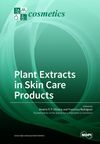
August 2018 This paper highlights the growing scientific interest in plant extracts for cosmetics due to their potential benefits, including antioxidant, antimicrobial, and protective properties, while emphasizing the need for quality and safety assessment to mitigate possible adverse reactions.
 March 2024 in “Journal of Pharmaceutical and Sciences”
 This study investigated the phytochemical composition and antibacterial and antioxidant activities of Zaleya pentandra extracts, finding high total polyphenol and flavonoid content and significant antibacterial effects, particularly in acetone extract, which may be suitable for developing antibacterial agents.
 1 citations
,
January 2022 in “Rasayan journal of Chemistry”
1 citations
,
January 2022 in “Rasayan journal of Chemistry” This study found that ethanol and water extracts of Albizia saponaria bark significantly stimulated hair growth in male rabbits over 24 days.
2 citations
,
June 2017 in “ScienceRise” This study developed a mask-cream containing Sabal palm extract and Sophora japonica tincture for androgenic alopecia prevention and treatment, establishing optimal production techniques using a reverse emulsion method.
 April 2024 in “The journal of phytopharmacology”
 This study found that extracts from orchid calluses can stimulate hair follicle growth and enhance the proliferation of hair follicle stem cells in vitro, suggesting potential applications in sustainable hair care products using natural bioactive compounds.
September 2024 in “Makassar Natural Product Journal (MNPJ)” This study reviews previous research on the development of pharmaceutical formulations using Carthamus tinctorius L., a traditional medicinal plant with antioxidant and immunostimulant properties, identifying the creation of various forms such as syrups, emulsions, granules, and nanoparticles.

In this study, perilla seed extract obtained through supercritical fluid extraction was found to promote hair follicle cell proliferation and downregulate key genes linked to androgenetic alopecia, showing potential as a natural treatment for hair loss in vitro.