 20 citations
,
April 2012 in “Fertility and Sterility”
20 citations
,
April 2012 in “Fertility and Sterility” In this laboratory study with rats, treatment with finasteride reduced dihydrotestosterone levels and fertility parameters, with a 30-day recovery period proving insufficient to fully restore sperm function and fertility.
34 citations
,
January 2004 in “PubMed” In this study, finasteride treatment for 56 days in adult rats led to sloughing of immature germinal cells and reduced sperm content in the epididymis, indicating its importance for maintaining spermatogenesis.
 27 citations
,
April 2011 in “Folia Histochemica et Cytobiologica”
27 citations
,
April 2011 in “Folia Histochemica et Cytobiologica” In this study using rats, finasteride-induced DHT deficiency led to morphological changes in seminiferous tubules, linked with altered junctional protein expression, potentially impairing fertility.
January 2006 in “Zhonghua miniao waike zazhi” This study established a stable rabbit model of hypospadias using finasteride, finding varied rates of the condition's severity and associated testicular retention across different gestation day treatments.
1 citations
,
May 2024 in “The Journal of Sexual Medicine” This case report suggests that clomiphene citrate can effectively restore fertility in some men with a long history of anabolic steroid abuse, though individual responses to treatment vary.
 34 citations
,
January 2004 in “Revista do Hospital das Clínicas”
34 citations
,
January 2004 in “Revista do Hospital das Clínicas” The authors reported that young men with infertility-related conditions experienced improved seminal quality after stopping finasteride, suggesting potential adverse effects on fertility during treatment.
10 citations
,
July 2000 in “PubMed” This case report suggests that increased dietary calcium from alfalfa may have contributed to zinc deficiency in two adult female goats by blocking zinc absorption.
 1 citations
,
January 2022 in “Saudi journal of medicine”
1 citations
,
January 2022 in “Saudi journal of medicine” This systematic review found that PCOS is a leading cause of anovulatory infertility, accounting for 70% of such cases, and emphasized the importance of using ultrasound for diagnosis.
20 citations
,
August 1979 in “PubMed” This study found that adding zinc to the drinking water improved hair coat and skin condition in moustached marmosets with symptoms resembling zinc deficiency.
 5 citations
,
October 2010 in “General and Comparative Endocrinology”
5 citations
,
October 2010 in “General and Comparative Endocrinology” In this study, pregnant spotted hyenas treated with flutamide and finasteride had lower concentrations of several sex hormones, including testosterone and luteinizing hormone, compared to untreated controls.
1 citations
,
January 2010 in “INTAS POLIVET” This case report describes two German shepherd dogs with prostatitis that showed favorable responses to treatment with finasteride, phenazopyridine, and enrofloxacin.
June 2014 in “The Journal of Urology” This abstract discusses the effects of finasteride on semen and hormone parameters in men with infertility but does not provide new research findings.
 May 2025 in “International Journal of Innovations in Science Engineering and Management.”
 This study reviewed the literature on cryptorchidism in dogs and found it may be associated with dermatological issues like alopecia, with surgical intervention and cyclosporine offering partial benefit.
In this systematic review, researchers observed that Toxoplasma gondii infection is associated with alterations in testosterone levels, generally increasing in humans but showing mixed effects in animals, highlighting a complex relationship that warrants further investigation.
23 citations
,
March 1998 in “BMJ” This report emphasizes the importance of considering haemochromatosis and conducting iron studies when investigating infertility due to endocrine causes.
 16 citations
,
April 2012 in “Journal of mammalogy”
16 citations
,
April 2012 in “Journal of mammalogy” Among Australian fur seals at one colony, this study found that alopecia, primarily affecting juvenile females, is linked to hair shaft fractures associated with low tyrosine and zinc levels, as well as higher pollutant exposure.
 14 citations
,
January 2008 in “Medical mycology”
14 citations
,
January 2008 in “Medical mycology” This study reported intra-familial transmission of Arthroderma benhamiae among Canadian porcupines in a Japanese zoo, with genetic sequences previously undocumented in Japan or the GenBank database.
 8 citations
,
January 2017 in “Fertility and Sterility”
8 citations
,
January 2017 in “Fertility and Sterility” This article reviews the impact of aging and related urologic conditions on male fertility, highlighting the effects of various treatments on sperm parameters and recommending pre-treatment counseling for fertility preservation. It reports no new clinical results.
September 2018 in “Translational andrology and urology” This study explored the effects of MOTILIPERM on infertility in a rat model with varicocele and oxidative stress, reporting its potential therapeutic efficacy.
 5 citations
,
January 2020 in “in Vivo”
5 citations
,
January 2020 in “in Vivo” This study found that administering testosterone to pregnant rats altered connexin 26 and connexin 43 expression in the uterus, which could disrupt embryo implantation and cause early pregnancy loss.
 1 citations
,
May 2023 in “European Journal of Human Genetics”
1 citations
,
May 2023 in “European Journal of Human Genetics” This study observed that numerical chromosomal aberrations were more common in men with severe male factor infertility and azoospermia compared to those with other sperm quality issues, while chromosomal translocations were significantly associated with oligoasthenozoospermia, highlighting important genetic counseling considerations.
 8 citations
,
February 2014 in “General and Comparative Endocrinology”
8 citations
,
February 2014 in “General and Comparative Endocrinology” In this study, exposure to the drug finasteride in Silurana tropicalis significantly increased testosterone levels in liver and testis tissues and altered gene expression related to male reproduction and oxidative stress.
 August 2025 in “Journal of the Pakistan Medical Association”
 This systematic review found significant associations between skin disorders like polycystic ovarian syndrome, dermatomyositis, atopic dermatitis, and leprosy with infertility, noting a lack of significant findings for systemic sclerosis.
46 citations
,
December 1992 in “The Journal of Steroid Biochemistry and Molecular Biology” In this study, researchers observed that testicular 17β-hydroxysteroid dehydrogenase deficiency in an inbred Arab population in Israel leads to genital ambiguity at birth and progressive virilization after puberty.
 35 citations
,
October 2004 in “Biology of Reproduction”
35 citations
,
October 2004 in “Biology of Reproduction” This study found that dual 5α-reductase inhibition in rats led to decreased sperm motility and altered morphology, resulting in subfertility.
April 2025 in “The Indian Journal of Animal Reproduction” This case report describes the successful surgical treatment of seminoma in an 8-year-old German Shepherd with a distended abdomen and urinary incontinence.
2 citations
,
October 1999 in “The Journal of Urology”  77 citations
,
June 2015 in “Nature Reviews Urology”
77 citations
,
June 2015 in “Nature Reviews Urology” This article reviews the effects of various medications on male fertility, noting that while commonly used drugs can mostly have reversible impacts, conclusive human evidence remains limited.
December 2004 in “The World Journal of Men s Health” This study observed that finasteride treatment was more effective in treating prostatitis-related hemospermia compared to non-prostatitis cases, particularly after excluding sonographically abnormal cases.
 April 2010 in “The Journal of Urology”
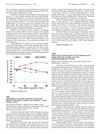
 Human prostate cells produce more WISP1/CCN4 when there's not enough oxygen.