27 citations
,
November 2012 in “Journal of Biomedical Optics” This study used confocal Raman microscopy to confirm optical similarity between human and porcine hair follicles, supporting its use in assessing trans-follicular drug delivery.
November 2020 in “Journal of animal science/Journal of animal science ... and ASAS reference compendium” This study identified several genetic variants associated with cattle hair coat length, which may help breed more heat-tolerant animals by facilitating efficient heat loss.
110 citations
,
September 2017 in “Molecules” This review discusses the phytochemistry, pharmacology, pharmacokinetics, and standardization of Forsythiae Fructus, detailing both unripe and ripe forms, but reports no new clinical results.
 24 citations
,
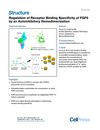
July 2017 in “Structure”
24 citations
,
July 2017 in “Structure” In this study, researchers found that ligand homodimerization controls the receptor binding specificity of the FGF9 subfamily, preventing off-target activation of FGFR "b" isoforms.
This study found that patients with frontal fibrosing alopecia showed significant alterations in protein expression in forehead corneocytes, suggesting the condition may have systemic implications beyond the scalp.
 January 2025 in “Open Medicine”
 This study found that high-concentration cell-free adipose extract effectively reduced collagen deposition and blood vessel formation in a rabbit ear model, showing promise for preventing and treating hypertrophic scars.
October 2024 in “Zagazig University Medical Journal” This clinical trial found that transdermal delivery of 5-Fluorouracil using fractional CO2 laser resulted in a significantly better treatment response in alopecia areata patients compared to intralesional injections of the same drug, with a greater reduction in the Severity of Alopecia Tool Score.
 115 citations
,
March 2019 in “Nature Communications”
115 citations
,
March 2019 in “Nature Communications” This study identified significant genetic associations with frontal fibrosing alopecia at four genomic loci, suggesting it is a genetically predisposed immuno-inflammatory disorder influenced by the HLA-B*07: 02 allele.
 4 citations
,
January 2020 in “Skin appendage disorders”
4 citations
,
January 2020 in “Skin appendage disorders” This case report describes a unique presentation of frontal fibrosing alopecia characterized by a hair loss pattern that resembles the Greek letter upsilon, supported by trichoscopic and histological findings.
August 2021 in “Institutional Repositories DataBase (IRDB)” This study found that rubbing the skin increased caffeine permeation significantly, while rhododendrol showed no enhancement from rubbing, likely due to different distribution patterns in the skin layers.
 April 2019 in “The journal of investigative dermatology/Journal of investigative dermatology”
 In this study, researchers found that CCCA in women of African descent is associated with molecular changes, including dysregulation of fatty acid metabolism and fibrosis pathways, suggesting potential targets for new treatments.
22 citations
,
July 2024 in “Frontiers in Oncology” This study found that FLASH radiation within a Spread-out Bragg Peak retained its normal tissue-sparing effect compared to conventional radiation, with a 40% reduction in acute skin damage and an 18% reduction in fibrotic development in mice.
 May 2026 in “International Journal of Drug Delivery Technology”
 This case study highlights Erythromelanosis follicularis faciei et colli as an easily overlooked pigmentary disorder characterized by a distinctive triad requiring precise diagnosis for effective patient counseling and cosmetic management.
 April 2023 in “Journal of Investigative Dermatology”
 In this retrospective cohort study, 53.8% of adult rosacea patients who started CGRP monoclonal antibodies for migraines experienced improvement in papules/pustules and erythema/flushing, although moderate adverse events were noted, suggesting these antibodies may benefit rosacea symptoms.
May 2024 in “Reactions weekly”  1 citations
,
January 2016 in “Journal of Microbial & Biochemical Technology”
1 citations
,
January 2016 in “Journal of Microbial & Biochemical Technology” This study found that the free androgen index (FAI) is a superior marker of hyperandrogenism in men with premature androgenetic alopecia compared to DHEAS and testosterone levels.
September 2017 in “Korean journal of acupuncture” This study found that Crataegi Fructus water extract may promote hair growth in mice by enhancing hair density, thickness, and length and activating the Wnt/β-catenin signaling pathway.
70 citations
,
September 2017 in “Expert opinion on therapeutic patents” This review examines the patent literature on AKR1C3 inhibitors and suggests that although numerous potent inhibitors exist, further preclinical optimization is necessary before assessing their therapeutic potential in human diseases.
1 citations
,
January 2025 in “Reproductive Biology and Endocrinology” This study suggests that supplementing with a cell-free fat extract might enhance embryo development and improve clinical outcomes in older women experiencing in vitro fertilization failure.
July 2026 in “Theranostics” This study developed a novel ferritin-based delivery system (LR@Fn) that effectively co-delivers RG108 and LLY283 for hearing loss treatment in animal models, reducing hair cell loss and synaptic damage more effectively than dexamethasone.
March 2021 in “Arrow - TU Dublin (Technological University Dublin)” This study tested a folate-conjugate drug delivery system and found its cytotoxicity depends on whether the treated cells overexpress folate receptors, suggesting potential for targeted chemotherapy.
 February 2022 in “Journal of Cosmetic Dermatology”
 This study suggests that systemic oxidative stress in female pattern hair loss may be related to NRF2 deficiency, and NRF2 activators might assist in treatment.
3 citations
,
October 2025 in “Dentistry Journal” This study investigated different centrifugation systems and found that low-speed protocols and certified centrifuges produced better-quality platelet-rich fibrin and recommended using FDA-approved glass tubes for safe and effective regenerative outcomes.
 September 2015 in “Dermatologic Surgery”
 In this study, the researchers developed a computer-aided imaging system to quantitatively measure baldness in Chinese women with female pattern hair loss, potentially improving the precision of severity evaluation compared to traditional scales.
2 citations
,
January 2021 in “Journal of The American Academy of Dermatology” This pilot study found that examining changes in scalp scales after scraping may effectively distinguish seborrheic dermatitis associated with androgenetic alopecia from fibrosing alopecia in a pattern distribution.
April 2017 in “Journal of Investigative Dermatology” Deleting Crif1 in mouse skin disrupts skin balance and hair growth.
5 citations
,
April 2021 in “Journal of Academic Research in Medicine” In this study, the free androgen index (FAI) was found to be a reliable marker for diagnosing and monitoring adolescent girls with hyperandrogenism, suggesting clinical reference values for PCOS, obesity, and idiopathic hirsutism.
 5 citations
,
August 2014 in “Journal of The American Academy of Dermatology”
5 citations
,
August 2014 in “Journal of The American Academy of Dermatology” This article notes slow progression and spontaneous stabilization in untreated cases of a specific scarring alopecia and reports no new results; the authors call for randomized trials to confirm the treatment's benefit.
 68 citations
,
May 2012 in “Annals of Oncology”
68 citations
,
May 2012 in “Annals of Oncology” This study reports that permanent and severe alopecia is a newly identified complication of the FEC 100–docetaxel regimen used for adjuvant breast cancer treatment.
128 citations
,
January 2023 in “Frontiers in Endocrinology” This review discusses recurrent implantation failure (RIF) in IVF, noting the lack of standard definitions or treatment protocols, and emphasizes the need for individualized treatment and further research.