 November 2025 in “Frontiers in Immunology”
 This study introduces stem cell activity as a key factor influencing the effects of IFN-γ and TGF-β1 on autoimmune disease dynamics, showing that varying cytokine levels can modulate stem cell activity and immune privilege, impacting tissue regeneration and disease flares.

This study found that proretinal nanoparticles, applied topically, are safe and effective for penetration into hair follicles, enhancing retinoid biological activity in the skin while reducing irritation compared to conventional retinal formulations.
 24 citations
,
July 2017 in “Structure”
24 citations
,
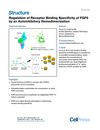
July 2017 in “Structure” In this study, researchers found that ligand homodimerization controls the receptor binding specificity of the FGF9 subfamily, preventing off-target activation of FGFR "b" isoforms.
 348 citations
,
July 2017 in “Skin appendage disorders”
348 citations
,
July 2017 in “Skin appendage disorders” This review discusses the use of platelet-rich plasma in dermatology for various applications such as tissue regeneration and wound healing, but it reports no new clinical results and calls for clearer guidance on suitable treatments.
 248 citations
,
December 2011 in “Journal of Neuroscience”
248 citations
,
December 2011 in “Journal of Neuroscience” This study demonstrated that stress-derived neurosteroid THDOC shifts from inhibiting to activating the HPA axis under stress, presenting potential therapeutic targets for stress-related disorders.
 138 citations
,
May 2000 in “Maturitas”
138 citations
,
May 2000 in “Maturitas” This review discusses the effects of estrogen on skin and reports no new clinical results; it highlights estrogen's potential benefits on skin thickness, collagen quality, and hair follicle life cycle.
 133 citations
,
February 2019 in “PLoS Biology”
133 citations
,
February 2019 in “PLoS Biology” This research found that feather pattern formation in birds is regulated by a mechanochemical system involving fibroblast growth factor and bone morphogenetic protein signaling, which is altered in the flightless emu and ostrich.
 117 citations
,
May 2017 in “Human Reproduction Update”
117 citations
,
May 2017 in “Human Reproduction Update” This review examines the epidemiology, pathophysiology, diagnosis, and management strategies for non-classic congenital hyperplasia due to 21-hydroxylase deficiency, and provides evidence-based recommendations for its treatment and genetic counseling.
 101 citations
,
October 2016 in “Nanomedicine: Nanotechnology, Biology and Medicine”
101 citations
,
October 2016 in “Nanomedicine: Nanotechnology, Biology and Medicine” This review reports on the dual aspect of fullerene in skincare, highlighting its beneficial antioxidant properties as well as potential toxicity and skin cell reactions, while identifying areas for future research.
 51 citations
,
February 2010 in “Analytical and Bioanalytical Chemistry”
51 citations
,
February 2010 in “Analytical and Bioanalytical Chemistry” Researchers developed a method to detect hormone-blocking drugs in wastewater and found them in Beijing's sewage, suggesting they can survive sewage treatment.
 46 citations
,
May 2012 in “Molecular and Cellular Endocrinology”
46 citations
,
May 2012 in “Molecular and Cellular Endocrinology” In this study, higher expression levels of aromatase and steroidogenic acute regulatory protein were correlated with increased estrogen synthesis and fewer hair follicles in human skin, suggesting a link to elastic fiber formation and hair growth.
 44 citations
,
March 2020 in “Antibiotics”
44 citations
,
March 2020 in “Antibiotics” The researchers reported that carnosic acid and carnosol, extracts from rosemary leaves, specifically inhibit S. aureus virulence expression, suggesting potential topical treatments for atopic dermatitis flares.
 36 citations
,
June 2019 in “eLife”
36 citations
,
June 2019 in “eLife” This study introduces MicrobeFDT, a tool that clusters chemically similar compounds and links them to gut microbial enzymes and toxicities, demonstrating its utility by uncovering previously unknown metabolism of the cancer drug altretamine.
 36 citations
,
February 2017 in “BMC Complementary and Alternative Medicine”
36 citations
,
February 2017 in “BMC Complementary and Alternative Medicine” In this study, Geranium sibiricum L. extract promoted hair growth in vitro with human dermal papilla cells and in vivo in mice, outperforming minoxidil by proliferating cells and stimulating growth factor expression, suggesting its potential as a hair growth treatment.
 35 citations
,
May 2015 in “Thrombosis Research”
35 citations
,
May 2015 in “Thrombosis Research” This review synthesizes knowledge on Prostaglandin E2's role in platelet biology and suggests that targeting PGE2 pathways could lead to personalized antiplatelet therapy without affecting hemostasis, but it presents no new results.
 29 citations
,
February 2007 in “Hormone and metabolic research”
29 citations
,
February 2007 in “Hormone and metabolic research” This study found that antisense oligonucleotides can significantly reduce androgen receptor expression in cultured human sebocytes and may offer new therapeutic possibilities for androgen-associated skin diseases.
 27 citations
,
February 2017 in “Biomedicine & Pharmacotherapy”
27 citations
,
February 2017 in “Biomedicine & Pharmacotherapy” This study found that white wax and its extract may promote hair growth in a mouse model of androgenetic alopecia by inhibiting 5α-reductase activity and increasing cell proliferation, with efficacy surpassing finasteride.
 25 citations
,
August 2015 in “International Journal of Cosmetic Science”
25 citations
,
August 2015 in “International Journal of Cosmetic Science” This study suggests that an extract from Malva verticillata seeds could help treat hair loss by modulating the Wnt/β-catenin pathway in cultured human dermal papilla cells.
 23 citations
,
December 2004 in “Differentiation”
23 citations
,
December 2004 in “Differentiation” This article reviews the interaction between sex hormone pathways and morphogenesis-related signaling in epithelial organ development, using a chicken model to propose testable hypotheses, but reports no new clinical results.
 21 citations
,
January 2003 in “Skin pharmacology and physiology”
21 citations
,
January 2003 in “Skin pharmacology and physiology” This study found that dutasteride completely suppressed the formation of 5alpha-dihydro metabolites in cultured human skin cells, suggesting its potential use in acne and androgenetic alopecia.
 18 citations
,
September 2011 in “Livestock science”
18 citations
,
September 2011 in “Livestock science” This study found that maternal Nano-Se supplementation in cashmere goats improved antioxidant status and promoted secondary hair follicle development in fetuses at 110 days.
 17 citations
,
June 2012 in “Journal of experimental zoology. Part B, Molecular and developmental evolution”
17 citations
,
June 2012 in “Journal of experimental zoology. Part B, Molecular and developmental evolution” This review explores theories on the evolution of hair from synapsid scales and glands, proposing mechanisms supported by comparative studies, but reports no new experimental findings.
 14 citations
,
January 2016 in “Elsevier eBooks”
14 citations
,
January 2016 in “Elsevier eBooks” This article discusses the benefits of liposomes in cosmetic formulations, including enhanced hydration and protection for dry skin, but reports no new experimental findings.
 13 citations
,
January 2017 in “Molecules”
13 citations
,
January 2017 in “Molecules” This study reported that compounds isolated from Alpinia zerumbet significantly promoted hair cell growth and exhibited anticancer activity in cell cultures, suggesting potential as treatments for alopecia and cancer.
 11 citations
,
August 2018 in “Asian-Australasian journal of animal sciences”
11 citations
,
August 2018 in “Asian-Australasian journal of animal sciences” This study found that a short daily photoperiod increased crude protein digestibility, secondary hair follicle activity, and cashmere quality in Inner Mongolia white cashmere goats without harming fiber characteristics.
 11 citations
,
January 2017 in “Evidence-based Complementary and Alternative Medicine”
11 citations
,
January 2017 in “Evidence-based Complementary and Alternative Medicine” This study investigated the effects of the herbal formulation DA-5512 on hair growth, finding that it significantly promotes dermal papilla cell proliferation and stimulates hair growth in mice while showing efficacy and safety in human trials compared to placebo and minoxidil (3%).
 10 citations
,
January 2009 in “Scientific Electronic Library Online (São Paulo Research Foundation, Latin American and Caribbean Center on Health Sciences Information, Conselho Nacional de Desenvolvimento Científico e Tecnológico)”
10 citations
,
January 2009 in “Scientific Electronic Library Online (São Paulo Research Foundation, Latin American and Caribbean Center on Health Sciences Information, Conselho Nacional de Desenvolvimento Científico e Tecnológico)” This study found that Eclipta alba extracts exhibit significant antimicrobial activity against various human pathogens, including antibiotic-resistant strains, suggesting potential use in treating infectious diseases.
 9 citations
,
June 2021 in “International Journal of Pharmaceutics”
9 citations
,
June 2021 in “International Journal of Pharmaceutics” This study found that polymeric micelle nanocarriers delivered pharmacologically relevant amounts of spironolactone to the epidermis and upper dermis, with higher delivery to pilosebaceous units, suggesting potential for treating glucocorticoid-induced impaired wound healing and pilosebaceous androgen-related skin diseases.
 9 citations
,
October 2013 in “Drug Delivery”
9 citations
,
October 2013 in “Drug Delivery” This research found that ethosomes significantly enhanced finasteride delivery into the dermis of human cadaver skin compared to liposomes in an in vitro study.
 9 citations
,
October 2011 in “Journal of proteomics”
9 citations
,
October 2011 in “Journal of proteomics” This study found that taxol induces apoptosis in dermal papilla cells, affecting protein expression related to biological processes and potentially contributing to taxol-induced alopecia.