 10 citations
,
May 2021 in “Expert Opinion on Drug Delivery”
10 citations
,
May 2021 in “Expert Opinion on Drug Delivery” This study found that CoQ10 formulated in transethosomes showed improved penetration and a better clinical response in treating androgenic alopecia compared to CoQ10 solution.
 6 citations
,
September 2012 in “Clinical Interventions in Aging”
6 citations
,
September 2012 in “Clinical Interventions in Aging” This study found that honokiol inhibits enzymes related to testosterone degradation in vitro, suggesting its potential as a lead compound for developing antiaging bioactive ingredients for men.
 3 citations
,
July 2017 in “Journal of Molecular Graphics & Modelling”
3 citations
,
July 2017 in “Journal of Molecular Graphics & Modelling” This study analyzed the geometric and electronic properties of baicalin conformers, finding that BCLa2TT and BCLa1TT conformers exhibit high stability in aqueous solutions and are favorable for interactions with positively charged species.
 1 citations
,
October 2018 in “InTech eBooks”
1 citations
,
October 2018 in “InTech eBooks” This chapter reviews current and emerging pharmacological treatments for alopecia, noting that the FDA's classification of alopecia as a cosmetic disease has limited drug development and led to off-label use of potentially dangerous compounds.
 April 2026 in “Journal of Microbiology Biotechnology and Food Sciences”
 This study found that Carthamus caeruleus (L.) leaf extracts possess higher antioxidant and antibacterial activities compared to rhizome extracts, and are rich in phenolic and flavonoid compounds, suggesting potential use as a natural therapeutic agent.
 September 2025 in “Journal of Drug Delivery and Therapeutics”
 This review highlights the hair follicle's structural and functional properties as an effective route for delivering active compounds in treating hair disorders, focusing on emerging carrier technologies to enhance targeted transfollicular delivery.
 September 2025 in “Acta Scientific Pharmaceutical Sciences”
 This paper examines the rising popularity and potential benefits of rice water for hair care, noting that while it contains beneficial compounds like inositol that may increase hair strength and decrease frizz, there is still no definitive scientific proof of its efficacy.
 December 2024 in “Tropical Journal of Natural Product Research”
 This study observed that CTUMP's Herb shampoo significantly improved hair growth and density in mice compared to a saline solution, though it was less effective than minoxidil in promoting follicle development.
This study explored new molecular structures as potential COVID-19 treatments, identifying a compound called Hit15 that inhibited viral infection in lab settings and reduced inflammation markers in human neutrophils, suggesting further development is warranted.
 April 2024 in “The journal of phytopharmacology”
 This study found that extracts from orchid calluses can stimulate hair follicle growth and enhance the proliferation of hair follicle stem cells in vitro, suggesting potential applications in sustainable hair care products using natural bioactive compounds.
 January 2024 in “Biological & clinical sciences research journal”
 This review of 355 articles found that apigenin, a compound found in many plants and vegetables, is mainly researched for its anti-inflammatory, neuroprotective, and anti-cancer properties, with enhanced efficacy when combined with allopathic drugs.
 January 2019 in “Durham e-Theses (Durham University)”
 This study utilized advanced imaging techniques to quantify hair damage and dye uptake dynamics, revealing that compound penetration in hair is influenced by molecule size and lipophilicity.
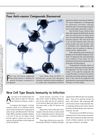 December 2011 in “Asia-Pacific biotech news”
 This collection of research news highlights various scientific advancements, including discoveries in anti-cancer compounds, new cell types that boost immunity, and a potential Parkinson's breakthrough in Australia, among others from China, India, Korea, Singapore, and Thailand.
 June 2025 in “World Journal of Medical Oncology”
 In this study, researchers explored the use of new biobased compounds and gels as potential treatments for skin cancer, finding that these biological materials may be significant in limiting and eliminating skin tumors alone or when combined with other methods.
 15 citations
,
April 2008 in “Steroids”
15 citations
,
April 2008 in “Steroids” This study found that pregnane derivatives with higher lipophilicity, like compound 9d, had stronger androgen receptor binding and greater antiandrogenic effects in rats, correlating relative binding affinity with log P values.
 January 2020 in “Durham e-Theses (Durham University)”
 This study concluded that UK law falls short in ensuring effective workplace equality for individuals with visible differences, suggesting amendments to the definition of disability and other legal reforms as potential solutions.
 142 citations
,
March 2019 in “Frontiers in Cellular Neuroscience”
142 citations
,
March 2019 in “Frontiers in Cellular Neuroscience” This review discusses the development and potential therapeutic applications of adenosine receptor agonists and positive allosteric modulators, noting that while many clinical trials have been unsuccessful, initial results for new compounds are promising.
 117 citations
,
August 2008 in “Sociology of Health and Illness”
117 citations
,
August 2008 in “Sociology of Health and Illness” This review analyzes how the pharmaceutical industry's emphasis on lifestyle drugs and marketing practices leads to the integration of pharmaceuticals into everyday life, with a domestic focus and view of drugs as quick solutions.
 111 citations
,
August 2002 in “Journal of Medicinal Chemistry”
111 citations
,
August 2002 in “Journal of Medicinal Chemistry” This study reports that 2-(1-Adamantyl)-4H-thiochromen-4-on-6-O-sulfamate is the most potent steroid sulfatase inhibitor identified so far, exhibiting 170-fold higher activity than the lead compound estrone sulfamate.
 88 citations
,
July 2019 in “International Journal of Molecular Sciences”
88 citations
,
July 2019 in “International Journal of Molecular Sciences” In this study of patients with Androgenic Alopecia, micro-grafts containing HD-AFSCs resulted in significantly improved hair density and follicle count over 11 months compared to a saline solution, suggesting a potential alternative therapy for hair regrowth.
 44 citations
,
March 2012 in “Fitoterapia”
44 citations
,
March 2012 in “Fitoterapia” In this study, germacrone from Curcuma aeruginosa showed anti-androgenic effects by inhibiting 5α-reductase, suggesting its potential as a lead compound for treating androgen-dependent disorders.
 35 citations
,
March 2005 in “Journal of Investigative Dermatology”
35 citations
,
March 2005 in “Journal of Investigative Dermatology” In this in vitro study, minoxidil, diazoxide, and the novel compound NNC 55-0118 increased hair follicle growth, supporting deer follicles as a viable bioassay for ATP-sensitive potassium channel modulators.
 26 citations
,
November 2002 in “Planta medica”
26 citations
,
November 2002 in “Planta medica” In this study, the methanol extract of Cercidiphyllum japonicum heartwood was found to stimulate the proliferation of mouse hair epithelial cells, with several isolated compounds showing significant proliferative activities.
 19 citations
,
July 2020 in “Journal of drug delivery science and technology”
19 citations
,
July 2020 in “Journal of drug delivery science and technology” This study found that nano-sized minoxidil formulations significantly increased skin penetration and follicular drug delivery for alopecia areata treatment, compared to conventional ethanol-based solutions, and demonstrated effective controlled release over six hours.
 19 citations
,
October 2017 in “European Journal of Pharmaceutics and Biopharmaceutics”
19 citations
,
October 2017 in “European Journal of Pharmaceutics and Biopharmaceutics” This study found that the MXD/HP-β-CD GEL formulation promoted greater hair growth and improved gene expression related to hair growth in male rats compared to MXD solution or control groups.
 17 citations
,
April 2017 in “International Journal of Biological Macromolecules”
17 citations
,
April 2017 in “International Journal of Biological Macromolecules” This study found that alginate beads containing monoolein demonstrated promising potential for managing wet wounds by better absorbing excess exudate and delivering adenosine locally, favoring drug localization in damaged porcine skin compared to an aqueous solution without affecting skin viability.
 15 citations
,
January 2020 in “RSC advances”
15 citations
,
January 2020 in “RSC advances” In this study, researchers developed a new Supported Ionic Liquid Phase palladium catalyst that showed effectiveness in aminocarbonylation reactions for synthesizing pharmaceutical compounds like CX-546 and a precursor of Finasteride, though results were sensitive to substrate variations and prompted palladium leaching concerns.
 14 citations
,
December 2011 in “Archives of Dermatological Research”
14 citations
,
December 2011 in “Archives of Dermatological Research” This study found that phyto-vesicles of ß-sitosterol showed better absorption and improved activity for treating androgenetic alopecia in rats compared to the compound and its complex.
 13 citations
,
January 2017 in “Chemical & Pharmaceutical Bulletin”
13 citations
,
January 2017 in “Chemical & Pharmaceutical Bulletin” This study found that a synthetic avicequinone C analogue, 5e, was significantly more potent in inhibiting steroid 5α-reductase type 1 activity in human keratinocytes compared to the original isolated compound.
 9 citations
,
December 2024 in “Nano Research”
9 citations
,
December 2024 in “Nano Research” In a study on diabetic mice, researchers developed a protein-based hydrogel that leverages zinc ions and the natural compound phellopterin to promote cutaneous nerve regeneration, angiogenesis, and tissue remodeling in diabetic wounds, highlighting its potential for advanced wound therapy.