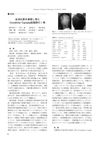
 January 2014 in “Progress of Digestive Endoscopy”
 This case report describes a 60-year-old woman with Cronkhite-Canada syndrome whose symptoms and polyposis improved following prednisolone therapy, but emphasizes the need for periodic digestive tract screening due to associated cancer risks.
15 citations
,
May 2009 in “Steroids” This study found that progesterone derivatives with chlorine or bromine substituents were effective in inhibiting 5α-reductase activity in human prostate and exhibited antiandrogenic effects in hamster flank organs.
July 2026 in “bioRxiv (Cold Spring Harbor Laboratory)” In this study, researchers observed that TCDD exposure in mice enhanced sebaceous gland differentiation and lipid production before causing seboatrophy, providing insights into the cellular events that may contribute to chloracne pathogenesis.
October 2025 in “Indonesian Journal of Pharmaceutical Science and Technology” This review highlights the significant antidiabetic activity of Allium ascalonicum (shallot), attributed to its flavonoid compounds like quercetin, in reducing blood glucose levels across various studies, while calling for further research to confirm its safety and efficacy as a diabetes treatment.
 July 2023 in “bioRxiv (Cold Spring Harbor Laboratory)”
 This study reports that a low concentration of chitosan induces callose deposition and slows root hair growth in Arabidopsis, suggesting an evolutionary conservation of this response to mild biotic stress across plant types.
 15 citations
,
December 2014 in “Dermatology and therapy”
15 citations
,
December 2014 in “Dermatology and therapy” This study reports that sorafenib-associated facial acneiform eruption, mimicking chloracne, is a rare cutaneous adverse event which improved upon reducing or discontinuing the drug.
 4 citations
,
May 2023 in “Research Square (Research Square)”
4 citations
,
May 2023 in “Research Square (Research Square)” This study found that cephalanthine inhibited the growth of gastric cancer cells in vitro and in vivo by inducing oxidative stress and altering energy metabolism, suggesting its potential as a treatment for gastric cancer.
 25 citations
,
October 2019 in “Journal of Endocrinological Investigation”
25 citations
,
October 2019 in “Journal of Endocrinological Investigation” This study reported that both drospirenone and chlormadinone acetate oral contraceptives had similar beneficial effects on clinical, metabolic, and hormonal parameters in women with polycystic ovary syndrome over six months.
1 citations
,
January 2020 In this study, researchers found that cepharanthine significantly inhibited the growth of non-small cell lung cancer cells by inducing apoptosis through ROS generation and altering multiple signaling pathways, suggesting potential as a novel lung cancer treatment.
January 2003 in “Dialnet (Universidad de la Rioja)” This study isolated highly pure oleanolic and maslinic acids from olive milling residues, exploring their chemical reactions, including the formation of finasteride precursors.
 75 citations
,
January 1997 in “Journal of ethnopharmacology”
75 citations
,
January 1997 in “Journal of ethnopharmacology” This study found that Santolina oil was effective in controlling experimental candidiasis in both in vitro and in vivo settings and enhanced the effectiveness of clotrimazole against Candida albicans in vitro.
6 citations
,
September 2024 in “Plant Cell & Environment” This study found that in Arabidopsis root hairs, mild chitosan treatment triggered callose deposition and slowed growth, while a higher concentration inhibited growth without callose deposition, indicating different responses based on chitosan concentration.
 3 citations
,
January 2003 in “Synthetic Communications”
3 citations
,
January 2003 in “Synthetic Communications” This research describes the synthesis of 16β-chloro- and 16β-bromo-cyproterone acetate, detailing the chemical processes involved, but reports no clinical outcomes.
 33 citations
,
December 2023 in “Cell Death Discovery”
33 citations
,
December 2023 in “Cell Death Discovery” This study found that cepharanthine can inhibit gastric cancer cell activity by inducing oxidative stress and altering energy metabolism, suggesting its potential for gastric cancer treatment.
 April 2025 in “BMC Chemistry”
 This study developed an organic hair conditioner using chitosan-thiadiazole conjugates that showed improved hair detangling, moisture retention, and protection without causing irritation, promising an environmentally sustainable approach to hair care.
 June 2026 in “International Journal of Innovative Technologies in Social Science”
 This source describes clascoterone, a new topical treatment for acne vulgaris that blocks androgen receptors to reduce sebaceous gland activity and inflammation, offering a lower risk of systemic side effects compared to oral treatments.
27 citations
,
May 2016 in “Integrative Cancer Therapies” In this study, in vitro and in vivo models showed that chrysin enhanced the efficacy of docetaxel and reduced its adverse effects in non–small cell lung cancer treatment.
 13 citations
,
September 2011 in “American Journal of Clinical Dermatology”
13 citations
,
September 2011 in “American Journal of Clinical Dermatology” This review describes the dermatological uses of the contraceptive ethinylestradiol/chlormadinone acetate for conditions linked to high androgen levels and reports no new clinical results.
November 2024 in “Elsevier eBooks”  December 2025 in “Zenodo (CERN European Organization for Nuclear Research)”
 In this study, the researchers reported that Chyavanaprasam K Tab, a novel Ayurvedic tablet, showed consistent quality and safety, offering potential benefits for fatigue relief, immune support, and hair growth, and is suitable for diabetics due to its sugar-free composition.
 December 2025 in “Zenodo (CERN European Organization for Nuclear Research)”
 In this study, researchers evaluated Chyavanaprasam K Tab, an Ayurvedic tablet, finding it to have consistent quality and safety, with potential benefits for fatigue relief, immune support, and hair growth. It is also deemed suitable for diabetic individuals due to its sugar-free composition.
2 citations
,
September 2020 in “Swedish Journal of BioScience Research” This study found that chitosan from Lucilia cuprina improved burn healing in diabetic mice, promoting wound closure, epidermal remodelling, and collagen deposition, while also demonstrating antibacterial properties.
 5 citations
,
May 2020 in “Clinical and Experimental Dermatology”
5 citations
,
May 2020 in “Clinical and Experimental Dermatology” This correspondence discusses clascoterone as a potential new treatment for androgenetic alopecia but reports no clinical results.
 December 2025 in “Journal of Food Innovation, Nutrition, and Environmental Sciences”
 This study evaluated the effects of sun drying and solar drying on Chaya leaves, finding that solar drying better preserves chlorophyll and phytochemicals while maintaining comparable nutritional quality to sun drying, suggesting its adoption could improve shelf life and maintain quality in areas without refrigeration.
44 citations
,
September 2011 in “Journal of Pediatric Gastroenterology and Nutrition” This study reported four new cases of NISCH syndrome in a Moroccan family, confirming genetic variability in liver disease severity and suggesting potential benefits from early UDCA therapy.
This article reviews the history and dermatologic side effects of alkylating agents used in chemotherapy, noting that some agents like chlorambucil can cause recurrent symptoms upon rechallenge, whereas others are tolerated.
25 citations
,
November 1994 in “The Journal of Dermatologic Surgery and Oncology” In this study, acetone was not superior to other degreasers for enhancing the efficacy of trichloroacetic acid peels, and its higher flammability suggests using alternative degreasers to reduce workplace hazards.
 September 2025 in “ACS Applied Polymer Materials”
 This study reported that a composite hydrogel made with Chlorella-derived extracellular polysaccharide–selenium nanoparticles showed strong antibacterial and anti-inflammatory effects in vitro and significantly accelerated wound healing in vivo, offering potential for managing infected wounds and monitoring healing progression.
 14 citations
,
February 1994 in “Tetrahedron Letters”
14 citations
,
February 1994 in “Tetrahedron Letters” This study found that using anhydrous cerium(III) chloride with alkyl Grignard reagents significantly improved the addition to sterically hindered 17-ketosteroids, resulting in high yields and stereoselectivity.
2 citations
,
May 1985 in “Environmental Health Perspectives” This report examines the mechanisms by which TCDD affects human epidermal and carcinoma cells, aiming to create a risk assessment model for halogenated aromatic compounds, but presents no new clinical results.