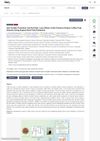
In this study, the SFE-4 extract from coffee pulp demonstrated potential effects for treating androgenetic alopecia by enhancing cell proliferation and gene expression related to hair growth pathways in vitro, using human hair follicle dermal papilla and prostate cancer cells.
This comprehensive review analyzes androgenetic alopecia treatments, discussing the mechanisms, costs, efficacy, and safety of FDA-approved drugs like minoxidil and finasteride, as well as newer non-FDA-approved options that have shown effectiveness across various studies.
This review highlights that nanotechnology offers promising avenues for enhancing drug delivery and developing new therapeutic strategies for androgenetic alopecia, though challenges remain in clinical translation and the need for long-term safety studies.
 February 2023 in “International Journal of Pharmaceutics”
 In this study, the researchers developed minoxidil cubosomes using nanotechnology, which improved drug penetration in the skin, showed greater hair growth efficacy, and reduced adverse skin reactions compared to traditional minoxidil solutions.
104 citations
,
January 2023 in “Journal of Clinical Medicine” This review evaluates the hair cycle's phases and the factors influencing the transition between anagen and telogen, advocating for a holistic approach to addressing hair loss, though no specific results are reported.
January 2023 in “Dermatology” This review summarizes biological links between aging and androgenetic alopecia, particularly focusing on cellular senescence, and discusses potential therapeutic strategies, but reports no new clinical results.
42 citations
,
November 2022 in “Cosmetics” This review concluded that using niosomes in cosmetics significantly enhances the aesthetic and therapeutic effects of skin and hair products, potentially aiding in treating skin conditions.
49 citations
,
February 2022 in “Drug Design Development and Therapy” This study found that treatment with ritlecitinib improved hair regrowth in alopecia areata patients, with many achieving significant results after 24 weeks compared to placebo.
17 citations
,
November 2021 in “Journal of Cosmetic Dermatology” This review discusses treatment options for androgenetic alopecia, highlighting the need for personalized, evidence-based approaches but reports no new clinical results.
 22 citations
,
March 2020 in “Cosmetics”
22 citations
,
March 2020 in “Cosmetics” This review discusses the potential of nanotechnology-based formulations for delivering topical minoxidil to improve hair loss treatment outcomes and reports no new clinical results, urging further research into their benefits and safety considerations.
 22 citations
,
March 2020 in “Journal of The American Academy of Dermatology”
22 citations
,
March 2020 in “Journal of The American Academy of Dermatology” This study found that injecting autologous dermal sheath cup cells significantly increased hair density and diameter in male and female pattern hair loss compared to a placebo for up to 9 months.