 August 2007 in “Journal of Investigative Dermatology”
 This review covers presentations from the 68th Annual Meeting of the Society of Investigative Dermatology and highlights research advances in dermatology, but reports no new clinical results.
 April 2005 in “Aktuelle Dermatologie”
 This article reviews advancements in hair cosmetics, including "cosmeceuticals" and new dermocosmetic strategies, and reports no new clinical results.

This review discusses various syndromes of severe insulin resistance, their biochemical and clinical features, and potential therapeutic options, but it reports no new clinical results.
 September 2004 in “Experimental dermatology”
 This study found that normal murine hair follicles are direct targets for melatonin bioregulation, expressing receptors that are regulated in a hair cycle-dependent manner, influencing keratinocyte apoptosis.
 September 2016 in “Journal of Dermatological Science”
 This study found that P. cornucopiae extract showed antioxidant and protective effects on human skin fibroblasts, suggesting its potential as an antiaging agent by preventing oxidative stress-induced collagen breakdown.
 July 2022 in “Dermatology Reports”
 This report details a case of a 58-year-old male diagnosed with erosive pustular dermatosis of the scalp, which improved following 3-5 weeks of treatment with topical clobetasol proprionate.
 7 citations
,
March 2018 in “Asian-Australasian journal of animal sciences”
7 citations
,
March 2018 in “Asian-Australasian journal of animal sciences” This study observed that the OCIAD2 and DCN genes in Liaoning cashmere goats have opposite effects on hair growth by interacting with the TGF-β signaling pathway, influencing follicle morphogenesis and periodic changes.
1 citations
,
August 2016 in “Dermatology - Open Journal” In this study, the researchers found that optic atrophy 1 (OPA1) is involved in the transition between filamentous and rounded mitochondria in hair follicle dermal papilla cells, potentially influencing cellular energy dynamics.
33 citations
,
January 2001 in “Critical care clinics” This article reviews the roles and synthesis of essential long-chain fatty acids in the body and reports no new research findings; it emphasizes the importance of dietary sources for these lipids.
1 citations
,
January 2019 in “Archives of Clinical and Medical Case Reports” In this study, researchers identified two mechanisms of lipid loss from hair when exposed to surfactants, with the mechanism depending on the lipid's hydrophobicity.
 1 citations
,
January 2009 in “X-ray Structure Analysis Online”
1 citations
,
January 2009 in “X-ray Structure Analysis Online” A new compound was made that might help treat diseases related to male hormones.
January 2021 in “Figshare” This study found that autophagy in the preputial glands of mice plays a crucial role in regulating lipid and fatty acid metabolism, as well as pheromone production.
425 citations
,
August 2002 in “BioEssays” This review discusses the structure and assembly of the cornified cell envelope in stratified squamous epithelial cells and various disorders leading to barrier defects, but reports no new findings.
19 citations
,
September 2021 in “British journal of dermatology/British journal of dermatology, Supplement” This study suggests that pretreatment with a PPAR-γ modulator may prevent damage to hair follicle stem cells caused by a chemotherapy metabolite, potentially offering a strategy to mitigate permanent chemotherapy-induced alopecia.
 October 2010 in “Reproductive Biomedicine Online”
 This study reported that MALDI-TOF Mass Spectrometry profiling demonstrated nearly 100% sensitivity and specificity in detecting adenomyosis and leiomyoma, revealing potential peptide markers for these conditions.
 April 2023 in “Journal of Investigative Dermatology”
 This study found that adipose stem cell exosome treatment may improve hair growth and scalp rejuvenation, outperforming minoxidil and showing promise in clinical trials for hair loss, including androgenic alopecia.
8 citations
,
June 2004 in “Journal of Investigative Dermatology” Certain peptides can prevent hair loss in young rats caused by a cancer drug.
 June 2024 in “International Journal of Cosmetic Science”
 This study found that various plant oils can penetrate the lipid-rich cell membrane complex of hair, improving its fatigue strength by preventing flaw propagation, with greater penetration observed for oils containing shorter chain lengths and unsaturated fatty acids.
36 citations
,
March 2014 in “Molecular and Cellular Biology” This study found that Cidea is critical for regulating lipid storage and sebum secretion in sebaceous glands, with its deficiency causing hair issues and impaired skin functions in mice.
 8 citations
,
April 2022 in “The journal of investigative dermatology/Journal of investigative dermatology”
8 citations
,
April 2022 in “The journal of investigative dermatology/Journal of investigative dermatology” This study identified biallelic variants in the LSS gene as a possible genetic cause of palmoplantar keratoderma-congenital alopecia syndrome type 2, highlighting the role of cholesterol synthesis in skin cornification.
11 citations
,
January 2016 in “Biointerphases” This study suggests that the outermost hair cuticle surface is rich in 18-methyleicosanic acid (18-MEA), supporting previous findings of its multilayer lipid and protein structure.
10 citations
,
November 2023 in “European Journal of Lipid Science and Technology” This study found that the ethanolic extract of walnut fruit diaphragm significantly improved lipid profiles, reduced oxidative stress, and had anti-inflammatory effects in hyperlipidemic rats.
April 2026 in “International Journal of Biological Macromolecules” 29 citations
,
September 2018 in “Journal of the American Heart Association” This study found that EP 2 signaling is crucial for macrophage recruitment and inflammatory regulation in the injured heart, impacting cardiac repair processes.
 June 2024 in “ChemBioChem”
 This study's simulations suggest that replenishing free 18‐MEA could restore damaged hair surface properties, highlighting the importance of optimal fatty acid spacing for maintaining hair integrity.
4 citations
,
January 2006 in “International Journal of Cosmetic Science” This study found that scanning electron microscopy with argon sputter etching visualizes hair lipids at the cell membrane complex as distinctive convex structures, shedding light on their role and localization in human hair.
14 citations
,
November 2021 in “Nanoscale” This study's simulations revealed the complex "onion-like" organization of a lipid nanoemulsion droplet containing vitamins A and E for skin delivery, showing distinct concentration patterns of these vitamins within different layers of the nanodroplet.
September 2024 in “Pigment Cell & Melanoma Research” This study found that mitochondrial fusion regulator Opa1 is crucial for maintaining melanocyte stem cells during the hair follicle cycle in mice, with Opa1 deficiency leading to impaired SCF-KIT signaling, reduced melanocyte populations, and early hair graying.
 11 citations
,
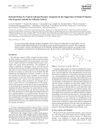
May 2010 in “Journal of Medicinal Chemistry”
11 citations
,
May 2010 in “Journal of Medicinal Chemistry” This study introduced a novel nonsteroidal androgen receptor antagonist that effectively controls sebum production in the golden Syrian hamster ear model through targeted follicular delivery.
 59 citations
,
October 2012 in “Pharmaceutical Research”
59 citations
,
October 2012 in “Pharmaceutical Research” This study found that nanostructured lipid carriers with more soybean phosphatidylcholine provided better skin retention and follicular targeting for diphencyprone compared to other formulations and controls.