 25 citations
,
November 2014 in “British Journal of Dermatology”
25 citations
,
November 2014 in “British Journal of Dermatology” This study found various ABC transporters are transcribed in human hair follicles, suggesting their possible role in HF biology and potential for new therapeutic interventions.
 24 citations
,
May 2019 in “PLOS genetics”
24 citations
,
May 2019 in “PLOS genetics” This study reports that compound heterozygous loss-of-function mutations in the HEPHL1 gene in a child were associated with abnormal hair and cognitive issues, linking altered ferroxidase activity to hair disorders.
1 citations
,
June 2012 in “OhioLink ETD Center (Ohio Library and Information Network)” In this study, the 40-MBR system was shown to enhance drug-screening efficiency by providing reliable, real-time monitoring of cell conditions in 3-D cultures compared to traditional methods.
 11 citations
,
June 2012 in “Acta histochemica”
11 citations
,
June 2012 in “Acta histochemica” This study found that Gsdma3 mutations in mice led to thicker skin and longer hair infundibula, possibly by negatively regulating β-catenin expression in the epidermis.
 January 2022 in “International Journal of Medical Sciences”
 This study investigated the effects of cedrol on colorectal cancer and found that it inhibited cell proliferation and induced cell cycle arrest and apoptosis in cell models, while in vivo, it suppressed cancer progression and improved survival at a well-tolerated dose.
113 citations
,
June 2010 in “Biological Chemistry” This study found that mice deficient in the enzyme cathepsin L exhibited impaired degradation of autophagolysosomal content, leading to an accumulation of large, abnormal vesicles in various tissues.
62 citations
,
January 2009 in “Biochemistry” This study found that both the natural ligand 1alpha,25(OH)(2)D(3) and the synthetic agonist LG190178 bind similarly to the vitamin D receptor's coregulator motifs, suggesting similar biological functions.
January 2019 in “International Journal of Immunology Research” This study found no significant difference in serum CCL27 levels between patients with alopecia areata and healthy controls, regardless of gender or age.
September 2025 in “Science Advances” This study reports that PADI4, an enzyme involved in posttranslational protein modifications, regulates progenitor cell transitions in hair follicle development by repressing transcription and interacting with translational and ribosomal processes.
 April 2010 in “The Journal of Urology”
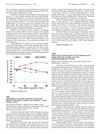
 Human prostate cells produce more WISP1/CCN4 when there's not enough oxygen.
July 2025 in “Journal of Investigative Dermatology” April 2023 in “Journal of Investigative Dermatology” In this study, Aminoacridine, Abemaciclib, and the combination of Aminoacridine with Minoxidil showed potential for effective hair regeneration by activating Wnt/β-catenin signaling in animal experiments.
 8 citations
,
May 2019 in “Journal of dermatological treatment”
8 citations
,
May 2019 in “Journal of dermatological treatment” This study found that vismodegib was effective in treating basal cell carcinoma, achieving complete remission in some patients; however, significant side effects often required careful management to prevent therapy suspension, which can lead to resistance.
October 1984 in “Immunology Today” 2 citations
,
January 2022 in “The Application of Clinical Genetics” This case report presents the first Russian patient with Meier-Gorlin syndrome 5, expanding clinical understanding through the identification of two novel CDC6 gene variants.
 11 citations
,
March 2013 in “Journal of Applied Biomedicine”
11 citations
,
March 2013 in “Journal of Applied Biomedicine” This study found that β-catenin is essential for hair follicle stem cell proliferation and may regulate this process through the PI3K/Akt pathway, suggesting its potential as a therapeutic target.
February 2020 in “Central Plains Medical Journal” In this study, combining thalidomide with CHOP treatment showed a significantly higher effective rate in treating peripheral T-cell lymphoma compared to CHOP alone, while both regimens were associated with similar levels of adverse reactions.
6 citations
,
June 2016 in “Journal of cellular biochemistry” This study found that the mammalian Hr protein can interact with the p53 pathway by binding to a specific p53 response element, influencing the regulation of genes involved in cell cycle control.
14 citations
,
May 2022 in “Cell Reports” In this study, researchers found that basal cell carcinomas with common Hedgehog signaling mutations may require additional mutations to hyperactivate downstream signaling and progress beyond dormancy.
 1 citations
,
April 1953 in “Acta Radiologica”
1 citations
,
April 1953 in “Acta Radiologica” Irradiating the whole central nervous system can lead to over 50% of patients with cerebellar medulloblastoma surviving three years.
3 citations
,
October 2020 in “Journal of Investigative Dermatology” This study established that the Dct::CreERT2 mouse line is effective for targeting and studying adult melanocyte stem cells, contributing to the understanding of melanocyte biology and hair pigmentation.
 January 2024 in “Wiadomości Lekarskie”
 This study reports that Abelson Interactor 1 (ABI1) regulates androgen receptor transcription in prostate cancer, identifying it as a potential target for new therapies addressing treatment resistance.
July 2024 in “Journal of Investigative Dermatology” In this study, baicalin, a component of Baikal skullcap, was found to inhibit necroptosis in a cellular model of toxic epidermal necrolysis, suggesting it may be effective against severe drug-induced skin eruptions.
19 citations
,
September 2022 in “Frontiers in Plant Science” This study found that the AabHLH112 transcription factor positively regulates the biosynthesis of β-caryophyllene, epi-cedrol, and β-farnesene in Artemisia annua.
October 2025 in “Clinical and Experimental Pediatrics” In this case report and literature review, researchers identified a novel mutation in the CLDN1 gene linked to neonatal ichthyosis-sclerosing cholangitis syndrome and found that its phenotype varies widely, suggesting a multidisciplinary approach is crucial for management.
54 citations
,
January 2009 in “Development” This study concluded that Wnt/β-catenin signaling, through Shh and Bmp pathways, is crucial for determining hair follicle fate in embryonic epidermal development.
1 citations
,
December 2025 in “Stem Cell Research & Therapy” The researchers reported that mesenchymal stem cells promote wound healing by using Cx43 hemichannels to mediate ATP secretion, which supports macrophage polarization, angiogenesis, and fibroblast migration, suggesting a potential therapeutic strategy for improving tissue repair.
 17 citations
,
June 2011 in “The journal of investigative dermatology/Journal of investigative dermatology”
17 citations
,
June 2011 in “The journal of investigative dermatology/Journal of investigative dermatology” This study observed that mice with a Cx43 mutation exhibited slower and asynchronous hair regrowth with severe cuticle weathering, mimicking aspects of hair phenotype in some ODDD patients.
29 citations
,
June 2015 in “Kidney International” This study developed a kidney-specific knockout mouse model lacking the Flcn gene, which recapitulates human Birt-Hogg-Dubé kidney tumorigenesis and shows that mTOR pathway inhibition with rapamycin can suppress tumor growth.
 3 citations
,
October 2018 in “Archives of Dermatological Research”
3 citations
,
October 2018 in “Archives of Dermatological Research” This study suggests that the InlB321/15 protein may accelerate wound healing by increasing cell proliferation and reducing wound closure time in both cell culture and mouse models.