2 citations
,
January 2019 in “Asian journal of pharmaceutical and clinical research” This review examines the phytochemistry and pharmacology of Emblica officinalis, highlighting its traditional and documented medicinal uses, but reports no new clinical findings.
 July 2025 in “Cosmoderma”
 In this study, a 90-day course of a plant-based supplement significantly improved hair density, skin hydration, and nail growth among participants with dermatological concerns, while also reducing hair fall and pigmentation, without adverse effects.
 April 2025 in “Journal of Cosmetic Dermatology”
 This study suggests potential causal associations between certain lipid levels, specifically HDL-C and triglycerides, and alopecia areata, highlighting the importance of lipid management as a therapeutic target.
April 2024 in “Cosmetics” This review highlights the use of microneedling devices and patches to deliver cosmetic agents through the skin, noting their applications in skin rejuvenation and safety considerations such as potential skin irritation and infection.
This study used whole-genome resequencing to analyze genetic diversity and selection in 17 rabbit breeds, identifying genes linked to traits like coat color and body size, which could inform breeding and conservation efforts.
124 citations
,
July 2017 in “eLife” This study found that COL17 deficiency in neonatal mice causes abnormal skin cell proliferation due to disrupted Wnt signaling, while replenishing or overexpressing COL17 can reverse this effect in both neonatal and aged skin.
 24 citations
,
April 2014 in “Oncotarget”
24 citations
,
April 2014 in “Oncotarget” This study found that minoxidil suppressed androgen receptor functions and stability, suggesting its potential use in treating diseases related to the androgen-AR pathway.
 89 citations
,
August 2008 in “Human genetics”
89 citations
,
August 2008 in “Human genetics” This study found that the EDAR 1540T/C genetic variant is significantly associated with hair thickness variation in Japanese populations, enhancing previously observed associations in Southeast Asian groups.
 January 2023 in “Han'gug mi'saengmul saengmyeong gong haghoeji/Han-guk misaengmul saengmyeong gonghak hoeji”
 This study found that a mixed extract of N. jatamansi, O. basilicum, and C. sativus, particularly when extracted via steaming and ultrasonic methods, increased antioxidant content, stimulated melanin production for black hair, and promoted hair growth in mouse models, while maintaining high cell viability.
June 2026 in “Skin Appendage Disorders” This meta-analysis found that GLP-1 receptor agonists are associated with a 40% increased risk of non-scarring alopecia, likely due to weight loss-induced micronutrient deficiency, with significant associations for telogen effluvium and androgenetic alopecia. However, some patients with central centrifugal cicatricial alopecia showed improvement.
 94 citations
,
August 1975 in “Journal of Cutaneous Pathology”
94 citations
,
August 1975 in “Journal of Cutaneous Pathology” In this study, the researchers observed that male pattern alopecia is characterized by miniature follicles, enlarged sebaceous glands, and an increased number of mast cells, without significant abnormalities in enzyme activity.
 25 citations
,
September 2013 in “Journal of thoracic oncology”
25 citations
,
September 2013 in “Journal of thoracic oncology” In this animal study, soy isoflavones were found to protect lung tissue from the adverse effects of radiation, such as skin injury, inflammation, and fibrosis, suggesting a potential radioprotective benefit.
 32 citations
,
January 2012 in “Clinical & Developmental Immunology”
32 citations
,
January 2012 in “Clinical & Developmental Immunology” In this study, rheumatoid arthritis patients showed no changes in the number of circulating follicular helper T cells, but these cells had increased CD200 expression, implicating them in disease pathogenesis and suggesting CD200/CD200R as a potential therapeutic target.
 52 citations
,
October 2010 in “Antiviral Therapy”
52 citations
,
October 2010 in “Antiviral Therapy” This review discusses recent advances in monophosphate prodrug strategies for HCV drug discovery, aiming to enhance oral absorption and stability, and reports no new clinical results.
 10 citations
,
July 2023 in “The Neuroscience Journal of Shefaye Khatam”
10 citations
,
July 2023 in “The Neuroscience Journal of Shefaye Khatam” In this review, the authors summarized the neuroprotective role of water- and fat-soluble vitamins in neurodegenerative diseases, highlighting their potential preventive and therapeutic effects through antioxidant and anti-inflammatory properties while acknowledging some studies question their preventive influence.
 January 2024 in “Editora Científica Digital eBooks”
 This study highlights the therapeutic benefits of photobiomodulation, which uses light exposure to facilitate tissue repair and prevent inflammation and apoptosis, in treating conditions like arthritis, reumatism, and inflammatory pain, with its complex mechanisms potentially leading to future discoveries and treatments.
 September 2021 in “Physiology News”
 This abstract appears to consist entirely of repeated color specifications and logo guidelines, providing no research findings or new results.
 September 2012 in “Emergency medicine news”
 This article reviews the therapeutic potential and challenges of using manuka honey for various health conditions, including its possible advantages over regular honey, but does not present new clinical findings.

This study identified a genetic locus associated with rhabdomyosarcoma susceptibility in mice and found that specific differentiation markers are linked to the regression of basal cell carcinoma.
 141 citations
,
August 2018 in “Nature Reviews Microbiology”
141 citations
,
August 2018 in “Nature Reviews Microbiology” This review discusses the molecular mechanisms by which oncogenic viruses contribute to cancer development through manipulation of host cellular functions and highlights the need for further research into virus-associated cancers, reporting no new results.
 49 citations
,
January 2018 in “Theranostics”
49 citations
,
January 2018 in “Theranostics” This study found that a novel skin patch combining extracellular matrix and ciprofloxacin promotes advanced wound healing and skin regeneration in mouse models of infected wounds.
 39 citations
,
January 2019 in “Cells”
39 citations
,
January 2019 in “Cells” This review discusses the molecular mechanisms of Hutchinson-Gilford progeria syndrome and evaluates current research trends, available mouse models, and prospects for developing therapies, but reports no new clinical findings.
 25 citations
,
November 2018 in “Cell reports”
25 citations
,
November 2018 in “Cell reports” This study found that the ablation of Esrp1 and Esrp2 disrupts epithelial tight junctions by affecting Arhgef11 isoform expressions, highlighting a potential mechanistic link between splicing alterations and epithelial barrier defects.
 24 citations
,
January 2019 in “Biomaterials Science”
24 citations
,
January 2019 in “Biomaterials Science” This study demonstrated that a bio-3D printed artificial skin scaffold, seeded with adipose-derived mesenchymal stem cells, showed promising wound healing properties by enhancing cell recruitment, migration, and gene expression related to tissue regeneration.
 22 citations
,
September 2019 in “ACS omega”
22 citations
,
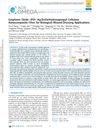
September 2019 in “ACS omega” This study found that AGO@HPC nanocomposite films demonstrated enhanced mechanical, anti-ultraviolet, and antibacterial properties, suggesting potential for use in antibacterial packaging and wound-dressing applications.
 15 citations
,
July 2002 in “Australasian Journal of Dermatology”
15 citations
,
July 2002 in “Australasian Journal of Dermatology” In this case report, two plywood mill workers developed allergic contact dermatitis due to exposure to uncured phenol-formaldehyde resin, not sawdust as initially suspected.
 6 citations
,
October 2017
6 citations
,
October 2017 This review summarizes the antioxidant and anticarcinogenic properties of Indian Gooseberry, its phytochemical composition, and its use in traditional Ayurvedic medicine, but reports no new clinical results.
 1 citations
,
January 2025 in “International Research Journal of Multidisciplinary Scope”
1 citations
,
January 2025 in “International Research Journal of Multidisciplinary Scope” This review systematically summarizes the ethnopharmacology, phytochemistry, and pharmacological activities of Caryota mitis, highlighting its rich phytochemical profile and potential uses in treating various ailments, though many traditional uses still require further scientific validation.
 1 citations
,
September 2010 in “The journal of investigative dermatology/Journal of investigative dermatology”
1 citations
,
September 2010 in “The journal of investigative dermatology/Journal of investigative dermatology” This article reviews a variety of research presentations from the Society for Investigative Dermatology's annual meeting, highlighting advances in dermatological research without reporting new clinical results.
 June 2025 in “Animal Bioscience”
 This study found that miRNA-24 downregulates the KLF6 gene, influencing coat color by affecting melanogenesis pathways in Cashmere goats, and that miRNA-24 inhibition increased melanin content in mice.