August 2026 in “Materials & Design” In this study, researchers found that hydrogel scaffolds loaded with Runx2-overexpressing BMSCs significantly enhanced bone regeneration and osteogenic differentiation, offering new insights into treating large bone defects.
 December 2025 in “Indian Journal of Case Reports”
 This case report highlights an unusual instance of azathioprine potentially triggering rapid alopecia areata and bone marrow suppression in a patient with chronic spontaneous urticaria, with improvement seen after stopping the drug.
 July 2025 in “Clinical Dermatology Review”
 This report presents a rare case where a patient with chronic urticaria developed alopecia areata during azathioprine therapy, accompanied by bone marrow suppression; these effects resolved after stopping the medication, suggesting a possible link between azathioprine and autoimmune activation despite its intended immunosuppressive use.
 January 2025 in “Clinical Pediatric Endocrinology”
 In a case study of vitamin D-dependent rickets type 2A, researchers observed that while active vitamin D treatment failed to improve bone and laboratory abnormalities, oral calcium lactate significantly ameliorated these issues, although skin and hair problems remained unresponsive.
 December 2023 in “Majalah Kedokteran Gigi Indonesia”
 In this study, cinnamaldehyde loaded onto gypsum-calcium carbonate scaffolds showed promise in promoting early-stage bone healing in rats but was less effective at later stages, with better results when combined with dehydrothermal treatment.
March 2023 in “Archives of Physical Medicine and Rehabilitation” This pilot study suggests that high-dose testosterone plus finasteride increased lower-extremity bone mineral density in men with impaired gait and low to low-normal testosterone following chronic incomplete spinal cord injury.
 48 citations
,
April 2024 in “Nature Communications”
48 citations
,
April 2024 in “Nature Communications” This study demonstrated that a mechanical-assisted post-bioprinting strategy significantly increased cell numbers and enhanced regenerative capabilities in hollow hydrogel-based scaffolds for bone defect repair in vivo.
21 citations
,
September 2003 in “Journal of Clinical Investigation” This paper reports that noggin inhibits BMP-2 and BMP-4 functions by binding and blocking their interaction with the BMP receptor, impacting multiple developmental processes without presenting new research results.
 13 citations
,
February 2024 in “Cureus”
13 citations
,
February 2024 in “Cureus” This review discusses the emerging role of platelet-rich plasma in bone healing and reports no new clinical results; it highlights promising outcomes from existing research and calls for further standardization and exploration in this field.
10 citations
,
October 1992 in “PubMed” This case study suggests that thrombosis was related to anti-phospholipid antibody in a woman with systemic lupus erythematosus, characterized by multiple aseptic bone necroses and arterial blockages.
 9 citations
,
May 1989 in “Journal of the Royal Society of Medicine”
9 citations
,
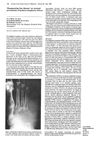
May 1989 in “Journal of the Royal Society of Medicine” An elderly woman's swollen, painful foot was found to be caused by a rare type of bone lymphoma, which improved with radiation treatment.
8 citations
,
April 2022 in “Nutrients” In this study, Ishige sinicola extract was observed to improve bone density and structure in an animal model of estrogen deficiency-induced osteoporosis, suggesting its potential as a therapeutic option for postmenopausal osteoporosis by inhibiting osteoclast formation without cytotoxic effects.
 1 citations
,
September 2023 in “Research Square (Research Square)”
1 citations
,
September 2023 in “Research Square (Research Square)” This study found that heart-inspired hollow hydrogel-based scaffolds enhanced regenerative capability in osteoporotic bone defects and increased cell number when using a mechanical-assisted post-bioprinting strategy.
July 2026 in “Regenerative Biomaterials” This study found that modifying biphasic calcium phosphate/poly(methyl methacrylate) bone cement with human hair keratin improves its hydrophilicity, mechanical properties, and supports bone repair in rats, indicating potential for orthopedic applications.
November 2024 in “Clinical Nutrition Open Science” This study reports that in mesenchymal cells, the effect of resveratrol on cell viability and metabolic enzyme activity varied with dosage and exposure time, with high doses promoting bone differentiation and potentially benefiting mesenchymal cell health and differentiation into osteoblasts.

In this study, researchers observed that graded calorie restriction in mice led to changes in stable isotope ratios and elemental content in bone collagen and hair keratin, potentially indicating intensified mobilization of endogenous proteins and altered bone collagen structure with increased dietary stress.
89 citations
,
October 2003 in “Biology of the Cell” This study found that labeled galectin-1 binds to specific nuclear sites in human bone marrow stromal cells and keratinocytes, suggesting a role in nuclear function, although only in a small fraction of cells.
 72 citations
,
April 2008 in “The Journal of urology/The journal of urology”
72 citations
,
April 2008 in “The Journal of urology/The journal of urology” This study found that 1-year use of 5alpha-reductase inhibitors, dutasteride or finasteride, significantly lowered dihydrotestosterone levels without adversely affecting bone density, lipids, or hemoglobin in normal men.
52 citations
,
July 2011 in “PubMed” This review discusses the diverse roles of the TRPS1 gene in regulating cartilage, kidney, and hair follicle development, highlighting its functions and interactions, but provides no new experimental results.
36 citations
,
October 2023 in “Periodontology 2000” This narrative review concluded that autologous platelet concentrates, particularly L-PRF, effectively enhance bone and soft tissue healing in periodontal regenerative procedures, with L-PRF demonstrating the most convincing results and ease of use.
18 citations
,
January 2013 in “Evidence-based Complementary and Alternative Medicine” In this study, ALR was found to enhance both the proliferation and osteogenic differentiation of mouse bone marrow mesenchymal stem cells, potentially through specific signaling pathways.
16 citations
,
January 2023 in “Regenerative Biomaterials” This study examined 3D-printed scaffolds coated with polydopamine and observed that they significantly enhanced osteogenesis and angiogenesis in vitro and in a rat cranium defect model, suggesting their potential for repairing large bone defects.
14 citations
,
August 2024 in “JBMR Plus” This article emphasizes the importance of using professional judgment when applying educational content to patient care and reports no new research findings.
10 citations
,
June 2013 in “International Journal for Vitamin and Nutrition Research” This study found that higher hair calcium concentration was associated with lower calcium intake and bone mineral density among women over 20 years old in Korea.
9 citations
,
August 2025 in “Current Issues in Molecular Biology” This review discusses the role of extracellular vesicles in bone regeneration and their potential as therapeutics, highlighting challenges like standardization and safety for clinical application, but it reports no new clinical results.
7 citations
,
February 2009 in “Cell and tissue biology” June 2026 in “Food & medicine homology.” This study suggests that Epimedium can serve as a complementary and alternative treatment for chronic bone and joint diseases, potentially laying the groundwork for its clinical application.

This study observed that exosomes derived from adipose-derived stem cells significantly enhanced bone marrow mesenchymal stem cell migration and osteogenesis, leading to improved bone regeneration in a rat model of calvarial defects.
April 2021 in “Institutional Repositories DataBase (IRDB)” This study reported that high-intensity red LED irradiation increased osteogenic differentiation and mineralization of human bone marrow mesenchymal stem cells, potentially through Wnt/β-catenin pathway activation.
 January 2020 in “Mastology”
 This study reports a case of a 28-year-old woman diagnosed with metastatic breast cancer through bone marrow analysis using flow cytometry and immunohistochemistry, highlighting the potential of flow cytometry as a valuable diagnostic tool for detecting solid tumors.