 24 citations
,
April 2007 in “European Journal of Pharmaceutics and Biopharmaceutics”
24 citations
,
April 2007 in “European Journal of Pharmaceutics and Biopharmaceutics” This study found that artocarpin delivered via alginate/chitosan microparticles effectively suppressed the growth of hamster flank organs compared to artocarpin in solution form, without significant systemic effects.
1 citations
,
January 2012 In this study, the researchers cloned and analyzed the CRABP I gene in Inner Mongolian cashmere goats, finding its highest mRNA expression at 90 days in embryo skin compared to later stages.
November 2024 in “Journal of Investigative Dermatology” This study found that scarring alopecia is common in autosomal recessive congenital ichthyosis patients and significantly correlates with the disease's severity, highlighting the need for thorough hair evaluations in clinical management.
84 citations
,
September 2008 in “Developmental biology” This study found that cellular retinoic acid-binding proteins and fatty acid-binding proteins are dynamically expressed in skin development and respond differently to retinoic acid, β-catenin, and Notch signaling.
 1 citations
,
June 2023 in “Animals”
1 citations
,
June 2023 in “Animals” In this study, researchers found that overexpression of CRABP2 enhanced the proliferation of dermal papilla cells in Hu sheep through activation of the Wnt/β-catenin pathway, even when the pathway was inhibited.
1 citations
,
April 2024 in “Metabolites” In this study, researchers found that male and female APCHi mice exposed to ionizing radiation showed near-normal lipid and metabolite levels, suggesting activated protein C may offer some protective effects against radiation-induced damage affecting organ systems.
9 citations
,
January 1997 in “Horticultura: Revista de industria, distribución y socioeconomía hortícola: frutas, hortalizas, flores, plantas, árboles ornamentales y viveros” In this study, researchers found that the transcriptional program regulated by PRC2 is not necessary for maintaining hair follicle stem cell quiescence and hair regeneration in vivo.
75 citations
,
September 2016 in “EMBO journal” This study found that PRC2 plays a crucial role in maintaining intestinal homeostasis by supporting progenitor cell proliferation and limiting secretory lineage differentiation.
January 2026 in “Dermatologic Therapy” This study found that elevated tissue RBP4 levels correlate with disease severity in alopecia areata and decrease after effective baricitinib treatment, while the rs3758539 polymorphism is linked to disease susceptibility but not to treatment response.
280 citations
,
January 2004 in “The EMBO Journal” AGC2-1 protein is essential for root hair growth in Arabidopsis.
 November 2023 in “The journal of investigative dermatology/Journal of investigative dermatology”
 This study found that engineered high-affinity soluble CD200R agonists, including ARQ-234, showed superior efficacy in reducing immune responses in various preclinical models of inflammatory conditions, suggesting potential as a therapeutic for atopic dermatitis and other related diseases.
 March 1998 in “Journal of dermatological science”
 Diphencyprone initially increases mouse hair growth, then slows it, possibly due to changes in specific protein levels.
15 citations
,
September 2018 in “Frontiers in Plant Science” This study identified that downregulation of the gene BcFLA1 decreases root hair length in Brassica carinata under phosphate-deficient conditions, highlighting its role in root hair elongation.
14 citations
,
March 2022 in “Plant Cell & Environment” In this study, the authors reported that AtRXR3, a phosphorus-inducible DUF506 protein, modulates root hair growth under phosphorus stress by interacting with calmodulin and influencing calcium oscillations.
January 2023 in “Cutaneous and Ocular Toxicology” This study found that ATP may help reduce ribociclib-induced skin damage in rats by mitigating biochemical changes associated with oxidative stress.
February 2026 in “Chemical Engineering Journal” This study found that a novel nano-engineered platform, PCA, significantly promoted hair regeneration in an androgenetic alopecia mouse model by enhancing angiogenesis and hair follicle stem cell proliferation, showing promise for future hair regrowth treatments.
This study identified ISPP-Rb, a novel immuno-stimulatory complex from Royoporus badius, that significantly activates murine macrophage cells and induces multiple proinflammatory cytokines.
 28 citations
,
August 2018 in “Dermatologic Surgery”
28 citations
,
August 2018 in “Dermatologic Surgery” This abstract is a listing of affiliations and funding, with no new study or results reported.
31 citations
,
July 2012 in “Journal of Lipid Research” This study found that the acyl-CoA binding protein is essential for the production of very long chain free fatty acids in the stratum corneum and maintaining normal epidermal barrier function in mice.
August 2024 in “International Journal of Women’s Dermatology” This study characterizes alopecia in ARCI, highlighting its prevalence among patients with severe forms and revealing new associated trichoscopic features.
27 citations
,
August 2008 in “Mayo Clinic proceedings” This review discusses the diagnosis, management, and treatment options for peripheral arterial disease and does not report new clinical findings; the authors emphasize the need for early diagnosis and comprehensive management.
 December 2023 in “The journal of investigative dermatology/Journal of investigative dermatology”
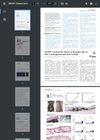
 In a mouse model study, researchers observed that the absence of MCPIP1 in myeloid cells decreased susceptibility to chemically induced skin papillomas but caused significant hair loss and skin pigmentation changes, suggesting a role for MCPIP1 in skin carcinogenesis and follicle integrity.
1 citations
,
September 2010 in “UEF eRepo (University of Eastern Finland)” This study provides insight into AR-mediated gene activation and the molecular mechanisms of prostate cancer progression and drug resistance, identifying potential avenues for developing new therapies.
2 citations
,
October 2020 January 2026 in “Dermatologic Therapy” This study suggests that autologous platelet concentrates may improve inflammatory activity, disease control, and hair regrowth in primary cicatricial alopecia, but the evidence is limited by small sample sizes and study quality.
117 citations
,
August 1999 in “Nature Genetics” April 2024 in “Institutional Repositories DataBase (IRDB)” This study identified 11 previously unreported ABCA12 variants associated with varying severities of autosomal recessive congenital ichthyoses and expanded the phenotype spectrum of ichthyosis linked to these variants.
 June 2023 in “Journal of cosmetic dermatology”
 This study concluded that both DPCP alone and combined with PRP are effective and safe for treating severe alopecia areata, with no significant difference between the two treatment methods.
March 2024 in “Preprints.org” In a study conducted on mice, researchers observed that exposure to ionizing radiation led to significant metabolic imbalances, including dyslipidemia and disruptions in amino acid metabolism, with activated protein C providing partial protection by normalizing certain plasma metabolites and lipids.
 15 citations
,
January 2010 in “Reproduction, Fertility and Development”
15 citations
,
January 2010 in “Reproduction, Fertility and Development” This study found that Han Chinese women carrying the rs6152A allele had a significantly higher risk of developing polycystic ovary syndrome compared to those with the rs6152GG genotype.