12 citations
,
December 2011 in “Journal of Dermatological Science” This study suggests that the C-terminal of AHF is crucial for its binding to keratin bundles and modulating the keratin meshwork in hair follicles.
 March 2026 in “Inflammopharmacology”
 This study found that ursolic acid at 50 mg/kg improved biochemical, hormonal, and ovarian histopathological markers in a rat model of PCOS, suggesting its potential as a therapeutic option.
 5 citations
,
December 1964 in “Australasian journal of dermatology”
5 citations
,
December 1964 in “Australasian journal of dermatology” This article discusses congenital atrichia and presents no new clinical findings.
14 citations
,
March 1994 in “Archives of Dermatology” This article presents two cases of alopecia areata occurring simultaneously in a married couple, suggesting a potential psychosocial factor like stress rather than genetic causation.
 13 citations
,
October 2017 in “Bioorganic & Medicinal Chemistry”
13 citations
,
October 2017 in “Bioorganic & Medicinal Chemistry” This study found that compound 3, a tetrahydropyridoindole carboxymethylated at position 5, significantly inhibited sorbitol accumulation in both rat eye lenses and tissues affected by diabetes, indicating its potential as a lead compound for ALR2 inhibition.
October 2013 in “DOAJ (DOAJ: Directory of Open Access Journals)” August 2024 in “Scientia Horticulturae” In this study, researchers observed that inoculation with Funneliformis mosseae significantly enhanced growth, biomass, and root architecture in trifoliate orange plants, with variations in auxin levels and gene expression, suggesting PtPIN6 as a key gene involved in root hair development regulation.
 6 citations
,
July 2007 in “Organic Process Research & Development”
6 citations
,
July 2007 in “Organic Process Research & Development” This study optimized the reaction conditions for the stereoselective hydrogenation of a compound used in manufacturing finasteride and dutasteride, improving the selectivity for the desired isomer.
 February 2011 in “Journal of the American Academy of Dermatology”
 This study found that polycystic ovary syndrome was the most common cause of hirsutism among premenopausal women in Algeria.
 3 citations
,
November 2017 in “International Journal of Pharmacy and Pharmaceutical Sciences”
3 citations
,
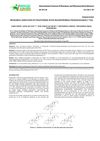
November 2017 in “International Journal of Pharmacy and Pharmaceutical Sciences” This study identified new oxidative derivatives of finasteride, including a newly discovered metabolite, by using the fungus Macrophomina phaseolina.
 January 2022 in “Current Enzyme Inhibition”
 This study found that two novel nonsteroidal derivatives inhibited specific enzymes in vitro and in vivo, leading to dihydrotestosterone accumulation in androgen-dependent glands, suggesting potential therapeutic use for mood improvement in the elderly.
 March 2023 in “PARIPEX INDIAN JOURNAL OF RESEARCH”
 This study found that prolonged tofacitinib treatment in adult Indian patients with moderate-to-severe alopecia areata was associated with a high regrowth rate, which varied with factors like age at disease onset and treatment duration.
 June 2026 in “Archives of Dermatological Research”
 In this study, the rs4541843 G > A variant was found to be significantly associated with increased risk and severity of alopecia areata, as well as elevated expression of hsa-miR-182-5p, suggesting their potential as molecular markers for diagnosis and severity assessment.
March 2005 in “Journal of the American Academy of Dermatology” This study found that key amino acids lost from hair due to weathering can be successfully reintroduced through cosmetic treatments, improving hair strength and aesthetics.
7 citations
,
January 2009 in “DOAJ (DOAJ: Directory of Open Access Journals)” This study found that D-004, a hexanic extract from the Cuban royal palm fruit, did not cause genotoxic effects in male germ cells of mice over an 8-week period.
 7 citations
,
August 2009 in “Applied Mathematics and Mechanics-English Edition”
7 citations
,
August 2009 in “Applied Mathematics and Mechanics-English Edition” This study demonstrates that (9+2) topological patterns derived from fractal fiber sets exist, with nine total patterns and only two being independent or fundamental.
 13 citations
,
August 1997 in “Steroids”
13 citations
,
August 1997 in “Steroids” Finasteride effectively lowers specific hormone levels, helping monitor treatment progress.
September 2025 in “International Journal of Molecular Sciences” This study found that injecting nu/nu mice with aqueous dispersion of unmodified fullerene C60 significantly stimulated hair growth compared to controls, suggesting its potential as a new therapeutic approach for alopecia.
 9 citations
,
January 2017 in “Organic Process Research & Development”
9 citations
,
January 2017 in “Organic Process Research & Development” This article describes the efficient synthesis of (S)-N-(2-bromo-6-methoxypyridin-4-yl)-2-hydroxy-2,4-dimethylpentanamide, a novel topical antiandrogen, with high purity and enantiomeric excess but reports no pharmacological results.
43 citations
,
April 2011 in “AJP Endocrinology and Metabolism” This study found that androgens increase Odc1 expression in skeletal muscle myoblasts, promoting proliferation and delaying differentiation.
This study found that 2-hydroxy-1,4-naphthoquinone was the most effective inhibitor of steroid 5α-reductase, showing stronger inhibition than avicequinone C in HaCaT cell assays.
 July 2025 in “New Phytologist”
 This study demonstrated that the FER/MLO signaling module regulates calcium dynamics and ROS accumulation in root hair growth, with the constitutively active MLO (faNTA) able to restore normal development and signaling in specific mutant genotypes, highlighting MLO15's role in root hair tip growth regulation.
3 citations
,
May 2017 in “Bioorganic & medicinal chemistry letters” This study identified compounds 11d and 11k as potential dual 5α-reductase inhibitors and AR antagonists with significant anti-proliferative effects on prostate cancer cell lines, suggesting they may offer therapeutic value.
![Discovery of (2S)-N-(6-Cyano-5-(Trifluoromethyl)Pyridin-3-Yl)-3-(6-(4-Cyanophenyl)-3,6-Diazabicyclo[3.1.1]Heptan-3-Yl)-2-Hydroxy-2-Methylpropanamide as a Highly Potent and Selective Topical Androgen Receptor Antagonist for Androgenetic Alopecia Treatment](/images/assets/693e7bf6-2325-4ddc-a20f-3470db9f4516/small/25627.jpg) December 2023 in “Journal of Medicinal Chemistry”
December 2023 in “Journal of Medicinal Chemistry” In this study, researchers identified compound 30a as a promising topical androgen receptor antagonist that promoted hair growth in mouse models of androgenetic alopecia without noticeable toxicity, suggesting its potential for treating this hair loss condition.
1 citations
,
January 2012 in “Zhongguo shiyan fangjixue zazhi” This study found that adding Kang'ai injection to FLO chemotherapy for advanced gastric cancer improved clinical outcomes and quality of life while reducing side effects, compared to FLO chemotherapy alone.
January 2003 in “Dialnet (Universidad de la Rioja)” This study isolated highly pure oleanolic and maslinic acids from olive milling residues, exploring their chemical reactions, including the formation of finasteride precursors.
 23 citations
,
September 2014 in “JEADV. Journal of the European Academy of Dermatology and Venereology/Journal of the European Academy of Dermatology and Venereology”
23 citations
,
September 2014 in “JEADV. Journal of the European Academy of Dermatology and Venereology/Journal of the European Academy of Dermatology and Venereology” This case report describes successful CO2 ablation treatment of porokeratotic adnexal ostial nevus in an 8-year-old boy, with marked improvement over a 12-year follow-up.
 March 2024 in “Biochimica et biophysica acta. Molecular basis of disease”
 This study found that deferoxamine may protect against sensorineural hearing loss by reducing oxidative stress-induced hair cell death through iron chelation and activation of the Nrf2 signaling pathway in lab models.
 March 2016 in “West Indian medical journal”
 This study found no statistically significant relationship between androgenic alopecia and the PON1 ML55 and QR192 genetic polymorphisms, despite a higher frequency of the PON 55 L allele in patients.
 20 citations
,
February 2004 in “Clinical and Experimental Ophthalmology”
20 citations
,
February 2004 in “Clinical and Experimental Ophthalmology” This paper presents two cases of rare intraorbital ophthalmic artery aneurysms associated with arteriovenous malformations and discusses their clinical presentation, pathogenesis, and management, but reports no new clinical outcomes.