 20 citations
,
February 2004 in “Clinical and Experimental Ophthalmology”
20 citations
,
February 2004 in “Clinical and Experimental Ophthalmology” This paper presents two cases of rare intraorbital ophthalmic artery aneurysms associated with arteriovenous malformations and discusses their clinical presentation, pathogenesis, and management, but reports no new clinical outcomes.
 4 citations
,
November 2024 in “Cell Biology and Toxicology”
4 citations
,
November 2024 in “Cell Biology and Toxicology” This study suggests that targeting olfactory receptors in the lung epithelium might help treat odorant-induced asthma in cases without type 2 inflammation, as these receptors could play a role in airway sensitivity to smells.
 May 2024 in “International Seven Journal of Multidisciplinary”
 This review discusses fibrosing frontal alopecia, including its causes, mechanisms, and treatments, and emphasizes the need for further research to improve understanding and treatments; it reports no new clinical results.
November 2025 in “Journal of Investigative Dermatology” IMG-007 helps regrow hair and reduce scalp inflammation in severe alopecia areata.
 April 2018 in “Journal of Investigative Dermatology”
 This study found that Anigozanthos Flavidus flower extract may improve skin elasticity and reduce wrinkles by increasing essential extracellular matrix proteins in both in vitro and in vivo settings.
February 2009 in “RePub (Erasmus University Rotterdam)” This thesis investigates the role of phosphorylation and the mutation F826L in modulating androgen receptor activity, but concludes that the precise effects are not yet fully clear.
This study tested a novel cryo-carboxy dispensing device for treating androgenetic alopecia in six volunteers and found an unexpectedly rapid and positive response, with significant hair regrowth observed by day 90, prompting early conclusion of the trial.
January 2005 in “FJ. Fragrance journal” 4 citations
,
January 2021 in “Acta Dermato Venereologica” This study found that patients with frontal fibrosing alopecia had significantly more titanium-containing nanoparticles in their hair compared to healthy controls, suggesting a potential environmental influence.
2 citations
,
May 2024 in “Nanomaterials” This study reports the synthesis of a hectorite/phenanthroline nanomaterial which acts as a potential fluorescent sensor for detecting Zn ions in water, offering a solution to the low solubility issue of traditional metal ion-detecting molecules.
October 2024 in “International Journal of Pharmaceutics” This study aimed to develop a new transdermal patch for treating androgenetic alopecia using finasteride, combined with chemical permeation enhancers to improve drug delivery through the skin, but results of pharmacokinetics and pharmacodynamics evaluations are not reported.
5 citations
,
March 2021 in “Hepatitis Monthly” This study found that tenofovir alafenamide fumarate (TAF) is an effective and safer alternative to tenofovir disoproxil fumarate (TDF) for chronic hepatitis B, with fewer long-term side effects like nephrotoxicity and decreased bone density.
1 citations
,
October 2022 in “Zenodo (CERN European Organization for Nuclear Research)” This study reported that low serum ferritin levels in pediatric patients with alopecia areata were associated with increased disease severity and longer duration.
 9 citations
,
January 2018 in “Journal of the European Academy of Dermatology and Venereology”
9 citations
,
January 2018 in “Journal of the European Academy of Dermatology and Venereology” A male patient developed frontal fibrosing alopecia after antiandrogen therapy for prostate cancer.
2 citations
,
April 2024 in “Molecular Plant” Auxin promotes root hair growth through oxidative processes involving reactive oxygen species.
 4 citations
,
December 2014 in “European Journal of Chemistry”
4 citations
,
December 2014 in “European Journal of Chemistry” This study synthesized and characterized new 2-hydroxypyrrolidine/piperidine derivatives using FeCl₃·6H₂O as a catalyst, but it reports no biological or clinical results.
 19 citations
,
September 2009 in “Journal of Chemical & Engineering Data”
19 citations
,
September 2009 in “Journal of Chemical & Engineering Data” This study found that the solubilities of flutamide, dutasteride, and finasteride in supercritical carbon dioxide were effectively modeled using semiempirical equations by Chrastil and Bartle, with varying levels of accuracy.
 September 2022 in “The American journal of dermatopathology/American journal of dermatopathology”
 In this pilot study, researchers found no sunscreen particles in the hair follicle units of patients with frontal fibrosing alopecia, suggesting no direct link between sunscreen use and the condition.
12 citations
,
June 2020 in “Crystals” This study presents a modified method for synthesizing ~1 nm zinc oxide nanoparticles within the pores of SBA-11, maintaining the mesoporous structure without requiring alcohol reflux or basic solution reaction steps.
 January 2026 in “Beilstein Journal of Organic Chemistry”
 This study developed a metal-free method for synthesizing sulfinimidate esters, showcasing their potential as versatile intermediates for enantioselective bond formation under mild conditions.
 24 citations
,
July 2017 in “Structure”
24 citations
,
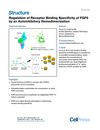
July 2017 in “Structure” In this study, researchers found that ligand homodimerization controls the receptor binding specificity of the FGF9 subfamily, preventing off-target activation of FGFR "b" isoforms.
7 citations
,
September 2021 in “Antimicrobial Agents and Chemotherapy” This study found that olorofim demonstrated potent in vitro and in vivo antifungal activity against dermatophytes, resolving skin lesions in a guinea pig model similar to clotrimazole, suggesting it may be a promising treatment for dermatophytosis.
 March 2025 in “Drug Development Research”
 In this study, researchers developed a novel topical gel combining minoxidil and JAK inhibitor tofacitinib, which effectively enhanced hair follicle growth and reduced local inflammation in mice with alopecia areata, suggesting a new approach for treating this condition.
 23 citations
,
January 2017 in “Journal of Oleo Science”
23 citations
,
January 2017 in “Journal of Oleo Science” This review discusses the use of supercritical carbon dioxide for extracting rice bran oil, noting its advantages over conventional methods for preserving nutrients and antioxidants, but provides no new experimental results.
10 citations
,
June 2022 in “Frontiers in Immunology” This study found that sterile fucoidan promotes T cell proliferation but reduces differentiation at higher concentrations and suppresses osteogenic differentiation in co-cultured environments.
2 citations
,
December 2023 in “International Journal of Dermatology” In this study, researchers identified a unique variant of alopecia areata characterized by an increase in telogen hair follicles and minimal inflammation present in the microenvironment.
9 citations
,
October 1947 in “The Lancet” 1 citations
,
November 1947 in “The Lancet”  6 citations
,
August 2014 in “Spectroscopy Letters”
6 citations
,
August 2014 in “Spectroscopy Letters” This study reported that the calculated and experimental electronic and vibrational properties of minoxidil were in good agreement, providing detailed insights into its molecular structure and thermal behaviors.
 17 citations
,
January 1999 in “Journal of Molecular Structure”
17 citations
,
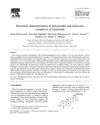
January 1999 in “Journal of Molecular Structure” This study determined the molecular structure of finasteride and its related crystalline forms, highlighting different hydrogen-bond interactions and structural configurations in various crystalline complexes.