 February 2022 in “Research Journal of Biotechnology”
 This review discusses the taxonomy, traditional uses, and pharmacological activities of the medicinal plant Eclipta alba but reports no new clinical findings.
 61 citations
,
March 1990 in “Clinical pharmacology and therapeutics/Clinical pharmacology & therapeutics”
61 citations
,
March 1990 in “Clinical pharmacology and therapeutics/Clinical pharmacology & therapeutics” In this study, albendazole treatment in patients with hydatid disease was associated with decreased microsomal enzyme function and induced its own metabolism, but also showed potential hepatotoxicity and severe side effects, necessitating careful monitoring.
 2 citations
,
January 2020 in “Acta dermatovenerologica Alpina, Pannonica et Adriatica (Tiskana izd.)”
2 citations
,
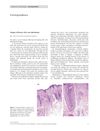
January 2020 in “Acta dermatovenerologica Alpina, Pannonica et Adriatica (Tiskana izd.)” This article presents two cases of anagen effluvium following oral albendazole use and summarizes previously reported cases, suggesting this side effect may occur with this drug.
 8 citations
,
November 1990 in “International Journal of Dermatology”
8 citations
,
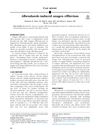
November 1990 in “International Journal of Dermatology” This study reports that telogen effluvium, a form of hair loss, may be associated with the use of albendazole therapy.
 5 citations
,
March 2012 in “Clinical and Experimental Dermatology”
5 citations
,
March 2012 in “Clinical and Experimental Dermatology” A woman experienced temporary hair loss after taking albendazole, which resolved on its own within 3 months.
 5 citations
,
December 2019 in “JAAD Case Reports”
5 citations
,
December 2019 in “JAAD Case Reports” This paper discusses anagen effluvium, a reversible non-scarring hair loss often triggered by certain chemotherapy drugs, but presents no new clinical results.
5 citations
,
January 2023 in “IDCases” In this case report, a 45-year-old man developed acute fatal pancytopenia and other severe adverse reactions 10 days after starting albendazole and praziquantel for pulmonary cystic echinococcosis.
July 2025 in “Veterinary Parasitology Regional Studies and Reports” This study found that both oral afoxolaner (NexGard®) and topical Frontline Combo® achieved 100% efficacy in eradicating Heterodoxus spiniger infestations within 30 days in dogs, with significant reductions in associated symptoms like hair loss and pruritus.
11 citations
,
July 1984 in “Australian Veterinary Journal” This study found that povidone iodine, thiabendazole ointment, captan ointment, and Burroughs Wellcome Ringworm Ointment were effective against Trichophyton equinum var. autotrophicum in horses, but large-scale use may be limited by practicality and cost.
 August 2012 in “Reactions Weekly”
 Albendazole likely caused temporary hair loss in a 25-year-old woman.
January 2016 in “Graduate Medical Education Research Journal” This study identified AH01 derivatives and related compounds with high antischistosomal efficacy and reduced antiandrogenic effects, suggesting potential new directions for schistosomiasis drug development.
 January 2024 in “Editora In Vivo eBooks”
 In this case report, the authors describe a female dog with alopecia in the neck and ear region, affected by dermatophytosis caused by the zoophilic fungus Microsporum canis, highlighting its zoonotic potential and prevalence in certain climates.
4 citations
,
June 2017 in “Irish veterinary journal” In this study, a single application of a 10 mg/mL deltamethrin-based solution effectively reduced lice infestations by 98% to 100% in treated horses and prevented new infestations for up to a month, without adverse events reported.
1 citations
,
January 2012 in “Ancient Science of Life” This study found that the ethanol extract of Eclipta alba significantly reduced gastric lesions and enhanced gastroprotective activity in ulcer-induced rats, suggesting potent antisecretory effects potentially linked to antioxidant properties.
 January 2023 in “Revista Brasileira de Parasitologia Veterinária/Brazilian Journal of Veterinary Parasitology”
 This study found that a single topical dose of fluralaner effectively eliminated Lynxacarus radovskyi mites from naturally infested domestic cats within 42 days, with treated cats remaining mite-free until day 98, unlike the untreated control group which continued to test positive.
5 citations
,
November 2010 in “Veterinary Record” Treatment with oral terbinafine and topical enilconazole was successful in resolving a Trichophyton dermatophytosis outbreak in L'Hoest's monkeys, with complete mycological cure achieved after eight weeks.
 April 2024 in “Jurnal Ilmu Kesehatan Hewan”
 In this case study, a six-month-old cat diagnosed with skin and digestive issues showed improvement after receiving a treatment regimen of antiparasitics, antihistamines, and vitamins, along with topical sulfur soap bathing, within a two-week period.
 7 citations
,
April 2021 in “Dermatology and Therapy”
7 citations
,
April 2021 in “Dermatology and Therapy” This review identifies several off-label uses of H-1 antihistamines in dermatology beyond itch and urticaria control, though the evidence is weak and further trials are needed.
 February 2024 in “Buletin Veteriner Udayana”
 In this case report, treatment with ivermectin, antihistamines, vitamin B complex, and sulfur soap reduced skin lesions and itching in a 5-month-old dog diagnosed with demodecosis after 14 days.
2 citations
,
January 2020 in “Brazilian Journal of Veterinary Medicine/Revista Brasileira de Medicina Veterinária” In this study, sarolaner administered orally proved effective in treating demodectic mange in a naturally infested cat in Brazil, as no mites were observed and skin condition improved after 21 days.
 2 citations
,
November 1990 in “International Journal of Dermatology”
2 citations
,
November 1990 in “International Journal of Dermatology” Albendazole can cause hair loss, and piroxicam can cause fixed drug eruption.
 April 2024 in “Meždunarodnyj vestnik veterinarii”
 In a study conducted on a beef-producing farm, "Deltsid 7.5" was found to be the most effective treatment for psoroptic scab in cattle, eradicating acarian phases and restoring skin and hair by 28 days, outperforming macrocyclic lactone treatments.
 19 citations
,
January 2009 in “Journal of Young Pharmacists”
19 citations
,
January 2009 in “Journal of Young Pharmacists” This study found that the alcoholic extract of Eclipta alba exhibited dose-dependent antianaphylactic effects in animal models, possibly due to membrane stabilization and reduced histamine release.
 January 2024 in “Jurnal Ilmu Kesehatan Hewan”
 In this case report, a 7-month-old local dog named Oreo was diagnosed with demodicosis and helminthiasis and showed improvement in skin condition after 14 days of treatment with ivermectin, antihistamines, vitamin B complex, fish oil, and sulfur soap.
 June 2025 in “Deleted Journal”
 In this case report, two Persian cats with Lynxacarus radovskyi fur mites and symptoms like mild alopecia and pruritus fully recovered after receiving selamectin spot-on treatment monthly for three months.
 March 2022 in “Journal of health sciences and medicine”
 This study found that azelaic acid at all tested concentrations showed anti-Demodex efficacy similar to 5% permethrin, with no statistically significant differences between the treatments.
September 2015 in “American journal of biomedicine” 3 citations
,
November 2024 in “Viruses” This study found that cepharanthine significantly inhibits EqHV-8 infection in vitro and improves lung tissue pathology in infected mice by reducing oxidative stress through specific signaling pathways, suggesting its potential as a treatment for equid herpesvirus type 8.
 October 2021 in “International journal of basic and clinical pharmacology”
 This case report discusses how trichomegaly, an adverse effect of the cancer therapy drug erlotinib, might serve as a marker of positive tumor response and potentially aid in treating madarosis.